
01. レーザーリポとは何か――そしてなぜ最初の1週間が重要なのか
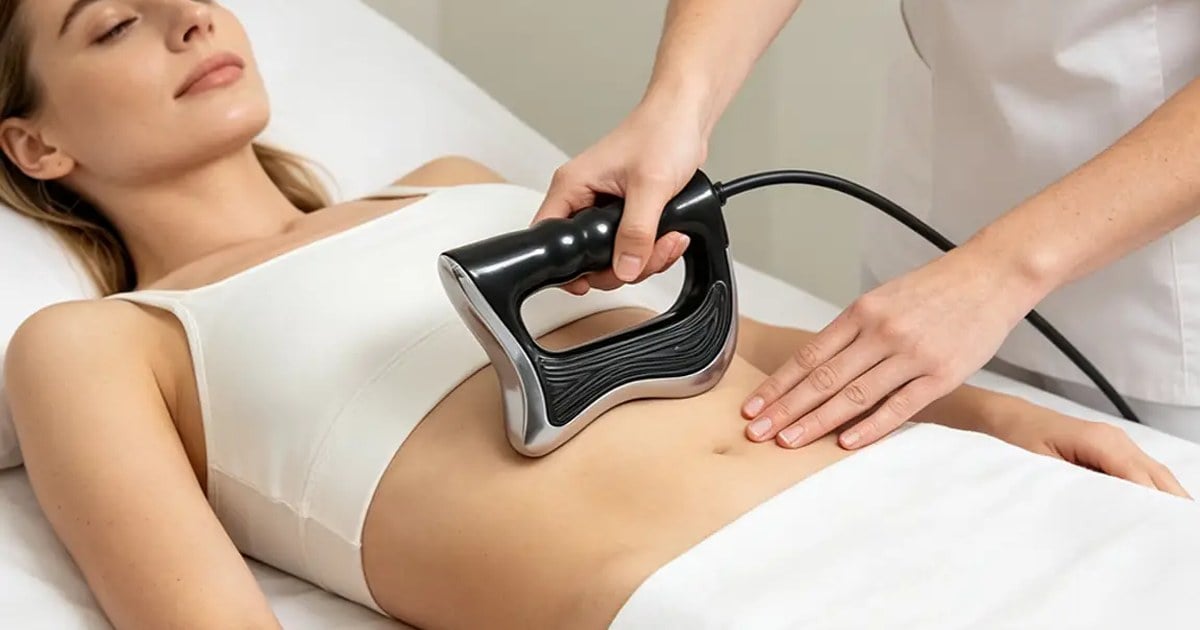
レーザー脂肪溶解術は、レーザーエネルギーを用いて皮膚下の脂肪細胞を加熱し、永久的に破壊するボディコンターリング施術です。脂肪細胞を縮小させるだけの従来の減量法とは異なり、レーザー脂肪溶解術では脂肪細胞を完全に除去します。その後、数週間にわたり、体内のリンパ系によって細胞の残骸が排出されます。 まるで氷が溶けるようなイメージです。レーザーが脂肪を加熱して液状にし、リンパ系がその液体を排出する排水口のような役割を果たします。
施術後の最初の1週間は、回復期間全体の中で最も感情の起伏が激しい時期です。 腫れと初期の輪郭形成が交錯する時期であり、ある日は新しい体型を垣間見ることができても、次の日にはむくみに落胆してしまうこともあるでしょう。この7日間の間に何が正常なのかを理解することは、単に不安を和らげるだけでなく、最終的な仕上がりへと直結する適切なアフターケアの判断を下す助けとなります。
02. 「レーザー脂肪吸引」はすべて同じではない――2つの施術法、2つの回復過程
「レーザー脂肪吸引」を受けたばかりで、鏡を見ながら「この腫れは普通なのだろうか」と悩んでいるなら、ほとんどの記事では教えてくれない事実をお伝えしましょう。実は、この名前を共有する全く異なる2つの施術が存在し、施術後の最初の1週間の経過は全く異なっているのです。
| 寸法 | 非侵襲的レーザー脂肪溶解 | 低侵襲レーザー脂肪吸引 |
|---|---|---|
| 仕組み | 皮膚の表面に配置されたレーザーパッド/パドル | 皮膚の下の小さな切開部からレーザーファイバーを挿入する |
| 麻酔 | 不要 | 局所麻酔 |
| 第1週 むくみ | ほとんどない | 中等度から重度;3~5日目にピークを迎える |
| 第1週 目に見える変化 | ほとんどない(計6~8回のセッションが必要) | 腫れが回復の妨げになることがあります。良くなる前に、一時的に悪化したように見えることがあります |
| 回復時間 | ダウンタイムゼロ | 2~4日でデスクワークに復帰可能 |
| 代表的なセッション | 6~8回の施術 | 通常1回 |
| 最終結果が発表されました | 6~12週間 | 3~6か月 |
| 例 | ゼローナ、エメラルドレーザー | スマートリポ、プロリポ |
このガイドでは、主に低侵襲手術に焦点を当て、実際の回復過程を日ごとに詳しく解説しています。もし非侵襲的な治療を受けた場合は、術後1週間の経過ははるかに順調に進むでしょう。本ガイドを参考にはしていただけますが、実際の経過は個人差があります。
非侵襲的な施術を受けた場合、術後1週目は特に問題ありません。多少の痛みを感じることはあるかもしれませんが、本格的な回復期間を設ける必要はありません。このガイドの残りの部分は、主に低侵襲的な施術に焦点を当てています。なぜなら、週ごとに感情の起伏が激しくなるのは、まさにそのケースだからです。 非侵襲的な施術を受けた方は、これを参考としてご利用いただけますが、その場合は経過がはるかにスムーズに進むでしょう。
03. 最初の1週間の日別ガイド
各日の内容に入る前に、まず心に留めておいていただきたいことがあります。第1週の目的は、何センチ痩せたかを測ることではありません。自分の体が持つ自然な脂肪燃焼メカニズムが働き始める様子を見守ることです。むくみや筋肉痛、しびれといったあらゆる感覚は、体が順調に回復している証拠なのです。

1~3日目:腫れ、痛み、そして「なんで体が大きく見えるの?」という時期
1日目 これは錯覚です。局所麻酔の効果がまだ完全には切れておらず、鏡に映った施術後のシルエット――平らになったお腹やくっきりとしたウエスト――がちらりと見えるかもしれません。その姿を楽しんでください。今週一番、あなたが美しく見える瞬間かもしれません。
著者: 2日目すると、本格的なむくみが現れます。圧迫下着はあなたにとって最も重要なアイテムとなります。24時間着用してください(担当医の許可があれば、シャワーを浴びる時だけ外しても構いません)。 体が痛んだり、だるさを感じたりして、少し落ち込むこともあるでしょう。短い散歩(1回5~10分、1日2~3回)はリンパの流れを促進するのに役立ちますが、それ以上の激しい運動は控えてください。
3日目 通常、これが腫れのピークとなります。この時期に、多くの患者さんが次のように感じると報告しています さらに悪い 施術前よりも。RealSelfのあるレビュー投稿者は、率直にこう述べています。「お腹がひどく腫れていて、施術前よりもずっと見栄えが悪くなってしまった」。これはまったく正常なことです。 腫れを引き起こす炎症反応は、破壊された脂肪細胞を排出するメカニズムそのものです。これは何かがうまくいっていないという兆候ではなく、施術が正常に進行している証拠なのです。
2023年に韓国で行われた、2波長(1,980/2,300 nm)レーザー脂肪分解法を評価した前向き臨床研究によると、1週目までに皮下脂肪の厚さは約12%減少したものの、 この段階での患者自身の目に見える改善の自覚率はわずか30%程度にとどまった。これはまさに、腫れが皮下で起きている実際の脂肪減少を覆い隠しているためである(Leeら、『Medical Lasers』、2021年).
3日目の終わり頃には、穏やかな手技によるリンパドレナージマッサージを開始できますが、これは担当医の許可を得た場合に限ります。適切に行えば、MLDは回復期の後半に起こる線維化(硬いしこり)のリスクを約半分に減らすことができます。
4~5日目:転機――腫れが引き始める
4日目 これで初めて本格的な安堵感が得られます。腫れは目に見えて引き、痛みも鋭い痛みから鈍い痛みへと変わります。圧迫下着は引き続き24時間着用してください。この頃にはデスクワークに復帰できる方がほとんどですが、長時間座りっぱなしで、体を動かす休憩を挟まないような状況は避けるようにしましょう。
5日目 というのは、患者さんが新しい輪郭の最初のヒントを見るときが多いからです。お腹はより平らに、ウエストラインはよりくっきりと見えます。皮膚がしびれたように感じることがありますが、これは神経終末がレーザーの破壊後に感覚を取り戻したためで、数週間から数ヶ月続くことがあります。また、皮膚の下に小さくて固いしこりがあることに気づく人もいます。これは体液ポケットや初期の線維性結節で、この段階ではまったく正常で、患者のおよそ30~40%に見られます。優しくマッサージをしたり、温湿布をしたりすることで解消され、ほとんどは3~6週間以内に自然に消えます。
3日目に感じるむくみは、6週目に見られる結果を得るための入場料です。この調子で、あなたはまさに必要なところにいるのです。
6~7日目:新しい輪郭を一目見る
著者: 6~7日目最悪は過ぎ去りました。ほとんどの腫れは治まり、初期の輪郭形成(治療部位によっては、より平らな腹部、よりスリムな太もも、より引き締まった二の腕など)が目に見えるようになります。圧迫着は欠かせません(ほとんどの外科医は2~4週間の連続着用を推奨し、その後さらに2~4週間は日中のみの着用を推奨しています)。
臨床的には、測定可能な変化がすでに進行中である。研究によれば、最初の1週間が終わるまでに、腹囲が平均約2.7%減少し、ウエスト測定値が1~2cm減少した患者もいる。
7日目に劇的な変化が見られなかったとしても、あなたは異常者ではなく、大多数なのです。リアルセルフのある患者さんは、1週間目に失望を感じ、15日目には「世界が変わった」と結果を報告しています。週目のスナップショットは映画の予告編であって、本編ではありません。本当の変化は、その後数ヶ月にわたって展開されます。
04. 1週間後に期待できること - 治療部位別
体の部位によって、回復のスピードは異なります。脂肪密度(脂肪の密度が高いほど、クリアになるのに時間がかかります)、皮膚の厚さ(皮膚が厚いほど、腫れが目立ちます)、血流(血行が良いほど、治癒が早くなります)です。

腹部と脇腹(ラブハンドル)
腹部は最も一般的に治療される部位で、予測可能な弧を描きます。7日目までには、ほとんどの患者さんが、お腹が明らかに平らになったと報告します。多くの場合、最初の兆候は、ズボンのウエスト周りがより快適にフィットすることです。腫れは下腹部に集中する傾向があるため(重力により体液が下方に引っ張られる)、この段階では下腹部よりも上腹部の方が引き締まって見えるかもしれません。
ウエスト周囲径は通常、最初の1週間が終わるまでに1~2cm減少します。圧迫着は、体液が不均等に溜まるのを防ぎ、皮膚が下の組織にスムーズに再接着するのを助けます。
太もも(内側と外側)
太ももがむくみやすい。一日中立ちっぱなしでいるため、重力によって下半身に常に水分が流れ込み、太もも周りが一時的に太くなることがある。 増加 1週目の間に。脂肪が戻ってきたのではなく、リンパ系がまだ処理していない体液なのだ。
7日目には、腫れは明らかに小さくなっているはずです。太ももの内側の隙間は、それが治療目標であった場合、現れ始めるかもしれません。バナナロール」部分(臀部と大腿上部の境目)は、日常的な体液のストレスが少ないため、やや早く効果が現れることが多い。休んでいるときはいつでも脚を高くしておくと、たとえ寝ているときに枕の上に脚を乗せておくだけでも、大腿部のむくみの解消の早さに測定可能な違いが出てきます。
腕(「コウモリの翼)
レーザー脂肪の回復に明るい兆しがあるとすれば、それは腕です。治療部位が小さく、腕に体重がかからないため、腹部や大腿部よりも腫れが軽い傾向があります。7日目には、多くの患者さんが、目に見えて引き締まった上腕を実感しています。特に、腕を上げたり、ノースリーブのトップスを着たりしたときに目立ちます。
その代償として、腕の皮膚は薄くなるため、あざがよりドラマチックに見えるかもしれません。心配しないでください。同じ理由(表面的な血行が良い)で、腕のあざは他の部位より早く消えます。
あごと首
顎と首は、一般的な治療部位の中で最も豊富な血液が供給されるため、最も早く治ります。ズボンの下に太ももを隠すように、圧迫着の下に顔を隠すことはできない。
5~7日目には、顎と首の腫れがかなり引いてきます。顎のラインは目に見えてシャープになり、二重顎の縮小が目立ち始めます。ほとんどの人は、7日目には社交的なイベントに参加するのが快適に感じられるようになりますが、あごの下にはまだ硬さが残っていることがあります。
05. むくみの真実-見た目が良くなる前に、悪く見えるかもしれない理由
もしあなたが3日目や4日目にこれを読み、失敗したと感じているなら、一息ついてください。あなたは一人ではありません。これは、患者フォーラムで報告されている最も一般的な経験であり、手術が成功したかどうかとは関係ありません。
RealSelfやRedditには、3日目から5日目にかけて、施術が失敗したと心から思った患者の投稿がたくさんある:"前より大きく見える"、"これはお金の無駄だったのだろうか?"、"なぜ私の胃はまだ平らではないのだろう?"。これらは異常値ではなく、普通のことなのだ。
その背後にある科学は単純である。あなたの体は傷害として脂肪細胞のレーザーの破壊を扱い、炎症はあらゆる治療過程の最初の段階である。破壊された脂肪を分解して取り除く免疫細胞を運ぶ体液が治療部位に殺到します。その液体が、あなたが見ている腫れです。脂肪が戻ったのではありません。失敗した結果でもありません。それは、あなたの体が、本来すべきことをしているのです。
では、正常な治癒と医学的処置が必要な治癒の違いをどのように見分ければよいのでしょうか?簡単なチェックリストがある:
- 温度:処置後の軽い発熱(37.5℃以下)は正常です。38°C(100.4°F)以上の場合は、医師に連絡することをお勧めします。
- 肌の色:切開部位の周囲がピンク色や薄い赤色であれば、正常な治癒です。真っ赤で熱を持った皮膚が広がっている場合は、感染の可能性があります。
- 痛みの傾向:痛みは日に日に減っていくはずです。もし さらに悪い 3日目以降は、外科医に確認してください。
- 非対称性:腫れが不均一になるのは、まったく正常なことです(特に片側で寝ている場合)。しかし、片側がもう片側より劇的に大きくなったり、硬くなったり、痛みが強くなったりするのは注意が必要です。
疑わしい場合は、クリニックに写真を送ってください。彼らは何千もの回復を見てきており、あなたが経験していることが軌道に乗っているかどうかを数秒で教えてくれます。
06. 週目を終えて-完全復活のタイムラインは実際どのようなものか
週目は感情のジェットコースター。その次にやってくるのは、より安定し、ゆっくりとした、そして最終的にはよりやりがいのあるものだ。
第2~4週:腫れはさらに引き、あざも消えていきます。ほとんどの人は、軽い運動(ウォーキングや穏やかなヨガなど)を含め、通常の日常生活に戻ります。 小さなしこりが残る場合がありますが、これらは通常、体液のたまりや初期の線維化によるもので、自然に治るか、マッサージで解消されます。この時期になると、服の着心地が変わり始め、施術前に目指していたボディラインの変化を実際に実感できるようになります。
1~3ヶ月目: これが最適な効果の現れです。初期の結果を追跡した同じ韓国の臨床研究によると、4週目までに皮下脂肪の厚さは約20%減少し、12週目にはその減少幅は約24%に達しました。 周囲径の減少も同様の傾向を示し、4週目までに約3.9%、12週目までに4.2%減少しました。 さらに重要なのは、この期間中にレーザーによる皮膚引き締め効果(従来の脂肪吸引では得られない効果)が顕著になり、研究によると3ヶ月目までに皮膚の弾力性が最大26%改善することが示されている点です。
3~6ヵ月: 最終結果です。今すぐ経過写真を撮影しましょう――照明、アングル、距離はすべて同じ条件で。並べて比較してみると、その違いに驚くはずです。日々の変化はあまりにも緩やかで、その場では気づかなかったからです。
覚えておくべき重要な生物学的事実が一つあります。それは、レーザー脂肪分解によって破壊された脂肪細胞は永久に消失し、二度と再生することはないということです。ただし、施術部位に残った脂肪細胞は、体重が大幅に増加した場合、依然として膨張する可能性があります。安定した体重を維持することが、施術への投資を無駄にしないための最善の方法です。
07. 1週間で最高の結果を出すために、今すぐできる7つのこと
回復を最適化し、最初の1週間の成果を最大限に引き出すために、今日から実践できる、科学的根拠に基づいた7つのステップをご紹介します:
- コンプレッションウェアは、仕事のように毎日欠かさず着用しましょう。 24時間着用し、シャワーを浴びる時以外は外さないでください。これは、ご自身でコントロールできる最も重要な要素です。圧迫により体液の偏在を防ぎ、腫れの持続期間を短縮し、皮膚が新しい輪郭にスムーズに馴染むよう促します。最低2週間は継続して着用してください。医師の指示があれば、それ以上の期間着用してください。
- こまめに水を飲みましょう。 1日2~3リットルを目安にしましょう。リンパ系は、破壊された脂肪細胞を運び出し、排出するために水分を必要とします。脱水状態になると、その細胞の残骸が組織内に長く留まり、むくみが長引くことになります。
- 歩こう――ゆっくりと、でも歩こう。 2日目からは、1日2~3回、10~15分程度の短い散歩を行ってください。散歩は、施術部位に負担をかけることなく、血行とリンパの流れを促進します。最初の2週間は、心拍数が大幅に上昇するような運動は避けてください。
- 塩分と糖分を控える。 ナトリウムは体内の水分をため込み、むくみを直接悪化させます。糖分の過剰摂取は炎症反応を強めます。最初の1週間は、低脂肪のタンパク質、野菜、複合炭水化物を中心に摂るようにしましょう。体は代謝活動に多大なエネルギーを費やしています。それに応じて、適切な栄養を補給してください。
- 手技によるリンパドレナージ(MLD)を検討してみてください。 術後3~4日目頃から(担当医の許可を得た上で)、穏やかなMLDマッサージを行うことで、体液貯留を軽減し、術後の線維化リスクを約半分に抑えることができます。資格を持ったセラピストに施術を依頼するか、クリニックに基本的なテクニックを教えてもらうようにしてください。
- 休息中は、施術した部位を高く保ってください。 太ももや腕に施術を受けた場合は、寝たり横になったりするときは、その部分を枕の上に載せてください。施術後1週間は重力が敵になります。重力を味方につけましょう。
- 毎朝写真を撮りましょう。 同じ場所、同じ照明、同じアングル、鏡からの距離も同じ。日々の変化は肉眼では捉えられません。1週間分の写真を並べてみると、鏡には映らない真実が見えてくるでしょう。
08. 見過ごされがちな要因――機器の品質が1週間の成果に与える影響
レーザー脂肪吸引について調べる人の多くは、適切な医師を見つけることと費用の確保という2つの点に重点を置いています。しかし、回復にこれと同じくらい大きな影響を与える3つ目の要素があり、ほとんどの患者さんはそれについて尋ねることさえ思い至らないのです。
結果は、ある単純な式によって決まります: 外科医の技術 × 機器の品質 × 患者の身体反応 × 術後のケアへの順守度。 これら4つの要素のうちどれか一つでも不十分であれば、他の要素で補える範囲には限界があります。機器の品質には絶対的な限界があり、たとえ最も腕の良い外科医であっても、エネルギーの出力が不安定な機器では、滑らかで均一な結果を出すことはできません。

機械の品質が、いかにスムーズな復旧につながるか
レーザー脂肪吸引装置には、施術開始から1週間の体験を直接左右する3つの技術的要素があります:
エネルギーの安定性: 高品質な医療用レーザーは、変動が最小限(通常5%未満)に抑えられた安定した出力を提供します。一方、品質の低い機器では、15%以上の変動が生じる場合があります。 エネルギー出力が予期せず急上昇すると、ホットスポット(局所的な過熱)が発生します。これは、脂肪の分解が不均一になり、火傷のリスクが高まり、回復過程が不安定になることを意味します。逆にエネルギーが低下すると、その部位は十分な治療を受けられません。エネルギーが安定していることは、脂肪の均一な分解を意味し、その結果、より滑らかなボディライン形成と、予測不可能な腫れの軽減につながります。
波長の精度:レーザーの波長によって、脂肪組織への作用効率は異なります。最も一般的に使用される波長である1,064 nm、1,320 nm、1,440 nmは、それぞれ異なる深さまで到達し、脂肪細胞への吸収率も異なります。 波長を正確に調整することで、脂肪細胞へのレーザーエネルギーの吸収率を高め、周囲の組織(血管、結合組織、皮膚)への吸収を抑えることができます。副次的な損傷が少ないため、腫れが抑えられ、施術後の最初の1週間をより快適に過ごせます。
冷却システム:レーザーは体内で熱を発生させますが、皮膚の表面は保護する必要があります。内蔵された冷却機構(接触式冷却チップ、極低温スプレー、または冷気)により、皮膚表面の火傷を防ぎ、施術後の赤みを軽減します。 施術後1週間の間に、皮膚が赤く腫れ上がり、水ぶくれができている患者さんの写真を見たことがあるなら、その原因は多くの場合、不十分な表面冷却にあります。
クリニックの設備について尋ねておくべきこと
自分の体にどのような技術が用いられるのかを知ることは、あなたの当然の権利です。ここでは、診察の際に尋ねておくべき5つの質問をご紹介します:
- 「どのメーカー、どのモデルのレーザー脂肪吸引装置をお使いですか?」 — すぐに名前を挙げられないなら、それは要注意のサインだ。
- 「この製品はFDAまたはCEの認証を取得していますか?」 — これらは単なる箱に貼られたスタンプではありません。これらは、その製品が規制市場における安全性および有効性の試験に合格したことを意味しています。
- 「そのメーカーはISO13485認証を取得していますか? — これは、医療機器に特化した国際的な品質管理規格です。これは、製造業者の設計、生産、品質管理、アフターサービスに至るまでの全プロセスが、監査を受け、追跡可能なシステムの下で運用されていることを意味します。
- 「施術者はこの機器に関する正式なトレーニングを受けていますか? - 機械によって操作パラメータは異なる。機器固有のトレーニングが重要です。
- 「この同じ機械で治療した患者さんのビフォーアフターの写真を見ることはできますか? - メーカー提供のマーケティング写真ではありません。あなたに使用される正確な機器による実際の結果です。
クリニックを選ぶ際に重要なのは、ドアに書かれた名前だけではありません。高品質のメーカーは、認証、精密工学、安全システムに投資し、最初の1週間がどのように見えるか、感じられるかを直接形作ります。治療の選択肢を検討しているのであれば、何を尋ねるべきかを知ることで、自分の結果を自分でコントロールできるようになります。
Konmisonのようなメーカーは、全製品ラインにおいてCE、FDA、RoHS認証を取得しているISO13485認証の美容機器メーカーである。
参考文献
- Lee JY, Ryu HY, Seo YS."効果的な脂肪減少のための低侵襲中赤外線脂肪分解レーザーシステムの開発"。 医療用レーザー.2021;10(2):82-89. https://journals_beta.koreamed.org/SearchBasic.php?RID=2533505
- クリーブランドクリニック「レーザー脂肪分解:期待されること、セッションと結果"。 https://my.clevelandclinic.org/health/treatments/24966-laser-lipolysis
- リアルセルフ"レーザーリポ、痛みに関しては期待したものではなかったが、結果はまだこれから。"患者のレビュー https://www.realself.com/review/smart-lipo-laser-lipo-expected-pain-results
- リアルセルフ"レーザー脂肪は勝者です!"患者のレビュー https://www.realself.com/review/colleyville-laser-liposuction-laser-lipo-winner
- コンミソン"品質 - 認証と規格" https://www.konmison.com/quality/
- コンミソン公式サイト https://www.konmison.com/
- コンミソンコンタクトページ https://www.konmison.com/contact/


 EN
EN  RU
RU  ES
ES  IT
IT  AR
AR  FR
FR  DE
DE  JA
JA  KO
KO  NL
NL