
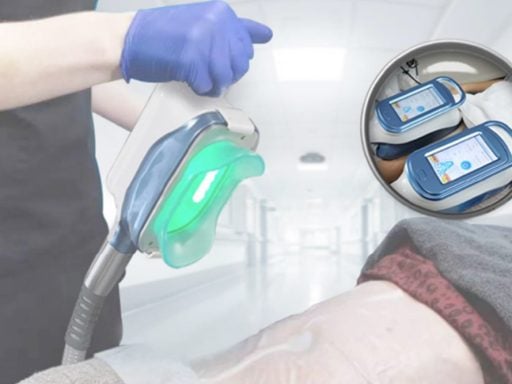
If you run a beauty salon, med spa, or weight-loss center, you have probably noticed one thing in the past few years: more and more clients are asking about fat reduction treatments that do not involve surgery. They do not want needles, they do not want downtime, and they want results they can see.
That is exactly why cryolipolysis machines — also called fat freezing machines — have become one of the fastest-growing equipment categories in the body contouring market. For clinic owners, they represent a high-margin service that pays back the machine cost quickly. For suppliers, they are a steady repeat-purchase category.
But here is the challenge: if you search “cryolipolysis machine” on Alibaba or Google, you will find hundreds of models, from portable two-handle units to large nine-in-one platforms, priced anywhere from a few hundred to tens of thousands of dollars. Choosing the wrong one means wasted money, disappointed clients, and a machine that sits in the corner.
This guide walks you through everything you need to check before you buy — the technology, the hardware, the handles, the hidden costs, and the after-sales questions most first-time buyers forget to ask. It is written for buyers, not for one specific manufacturer, so you can use it as a checklist no matter which supplier you finally choose.
What Is Cryolipolysis?
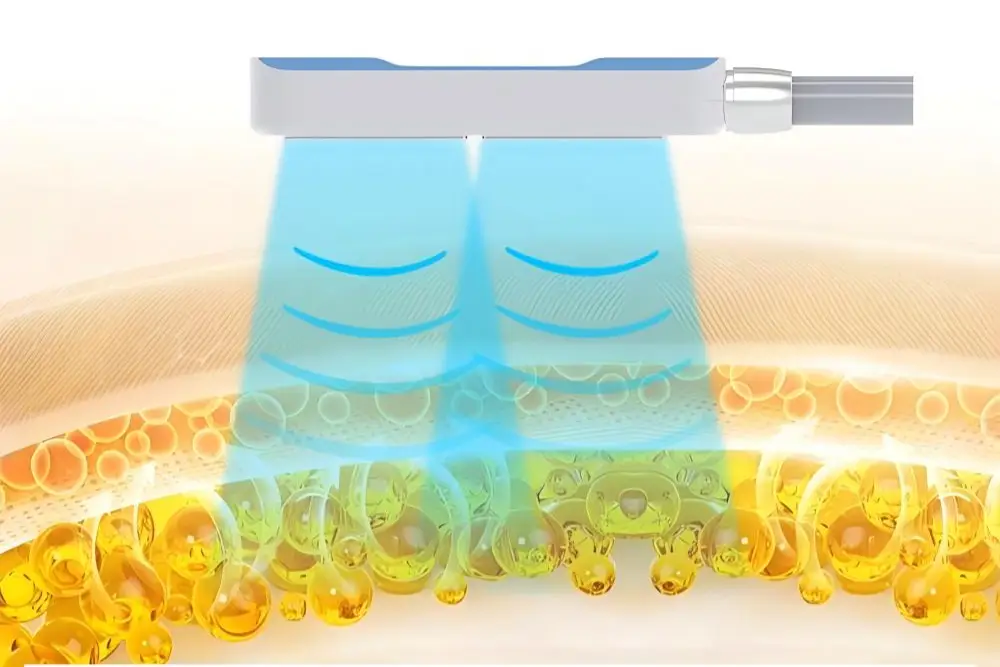
Cryolipolysis is a non-invasive body contouring technology that reduces localized fat by controlled cooling. The name combines “cryo” (cold) and “lipolysis” (breakdown of fat).
The principle is simple: fat cells are more sensitive to cold than the surrounding skin and tissue. When a fat layer is cooled to a precisely controlled temperature for a set period, the fat cells crystallize and trigger a natural cell-removal process. Over the following weeks, the body gradually metabolizes and eliminates those damaged fat cells through the lymphatic system. The result is a measurable reduction in the thickness of the treated fat layer — without surgery, incisions, or anesthesia.
Two points are worth understanding clearly before you invest:
- Cryolipolysis is a body contouring treatment, not a weight-loss treatment. It reduces localized fat pockets (abdomen, flanks/love handles, thighs, upper arms, double chin) in clients who are close to their target weight. It is not a solution for general obesity, and any supplier who claims otherwise is overpromising.
- Results are gradual. Clients typically see initial changes after 3–4 weeks, with optimal results at around 8–12 weeks as the body clears the treated fat cells. This is normal for the technology — and actually good news for your business, because it creates a treatment plan with follow-up sessions.
For a clinic, the practical implication is that cryolipolysis works best as one part of a body contouring menu — often combined with other technologies such as radio frequency (RF) for skin tightening, or vacuum/cavitation for deeper tissue work — which is exactly why multifunction machines have become so popular (more on this below).
That combination logic runs across the whole category: cryolipolysis, conventional RF, electromagnetic muscle stimulation and monopolar CET/RET at 448 kHz each act at a different depth, so the mix you offer decides which clients you can accept and what you can sell them next. The four body contouring technologies compared maps each one to a service menu.
Why Cryolipolysis Is a Smart Addition to Your Clinic
Before we get into the technical checklist, it helps to understand the business case — because this determines how much you should budget and which machine configuration makes sense for you.
Client demand is growing. Body contouring is consistently one of the most requested non-invasive treatments globally. Unlike some beauty trends that spike and fade, fat reduction has stayed on clinic service menus for over a decade, and demand continues to expand in developing aesthetics markets.
It is a high-margin, repeatable service. A cryolipolysis session typically lasts 35–60 minutes per area. The consumable cost per session is very low (mainly gel pads and applicator care), which means most of the session price is margin. Because results are gradual, clients return for multiple sessions — creating natural repeat revenue.
It pairs with everything else in your clinic. Clients who come for cryolipolysis often also buy RF skin tightening, cavitation, or EMS body sculpting sessions. If you buy a multifunction machine, one device can serve several service lines.
It is easy for staff to learn. A well-made cryolipolysis machine is designed to be operated by trained aestheticians, not doctors. The main skill is area selection, applicator choice, and time/temperature setting — all of which can be mastered in a short training session.
How Cryolipolysis Machines Work
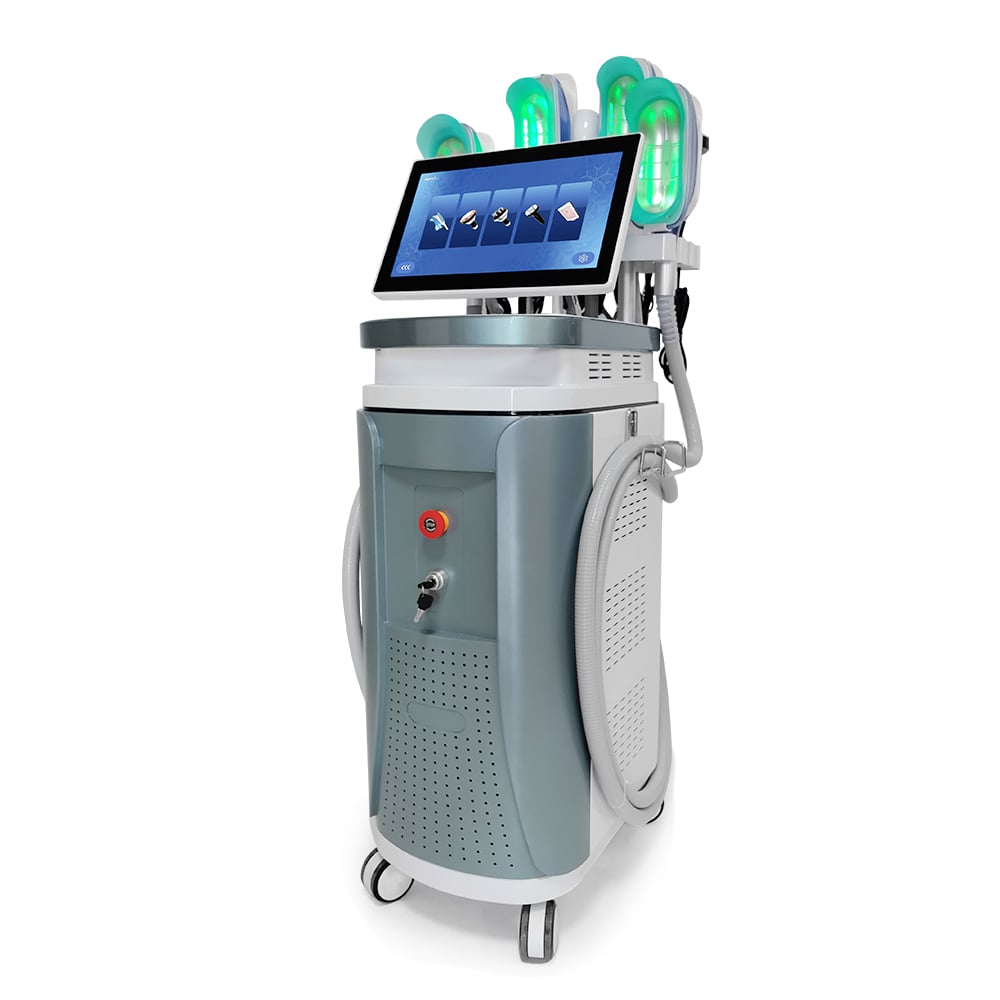
A typical fat freezing machine consists of:
- A cooling system inside the main unit (compressor-based or thermoelectric, depending on the model) that generates and maintains the treatment temperature.
- Applicators (handles) that draw the skin and fat layer into a cooling plate using gentle vacuum suction, then cool it to the target temperature.
- A control screen that lets the operator choose the treatment program, temperature, and time.
- Safety mechanisms — temperature monitoring, skin-contact sensors, and automatic cut-off — that protect the client from over-cooling.
A standard treatment flow looks like this:
- The operator selects the treatment area and chooses the right applicator size.
- A gel pad is placed between the skin and the cooling plate.
- The applicator gently suctions the fat fold into the cooling plates.
- The machine cools the area to the set temperature for the programmed duration (typically 30–60 minutes).
- The operator removes the applicator and massages the treated area to help break up crystallized fat cells.
This is the “how to use a cryolipolysis machine” sequence that any reputable supplier should walk you through during training. If a supplier cannot explain this workflow clearly, treat it as a warning sign.
Konmison’s fat freezing machines operate across a cooling range of −10 °C to +45 °C with vacuum adjustable from 0–80 kPa, giving operators control across different treatment areas and client comfort levels.
The 7-Point Buying Checklist
Now the part that actually saves you money. Work through these seven criteria before you contact any supplier — it will make you a much harder person to sell the wrong machine to.
1. Applicators (Handles): Count, Size, and Coverage
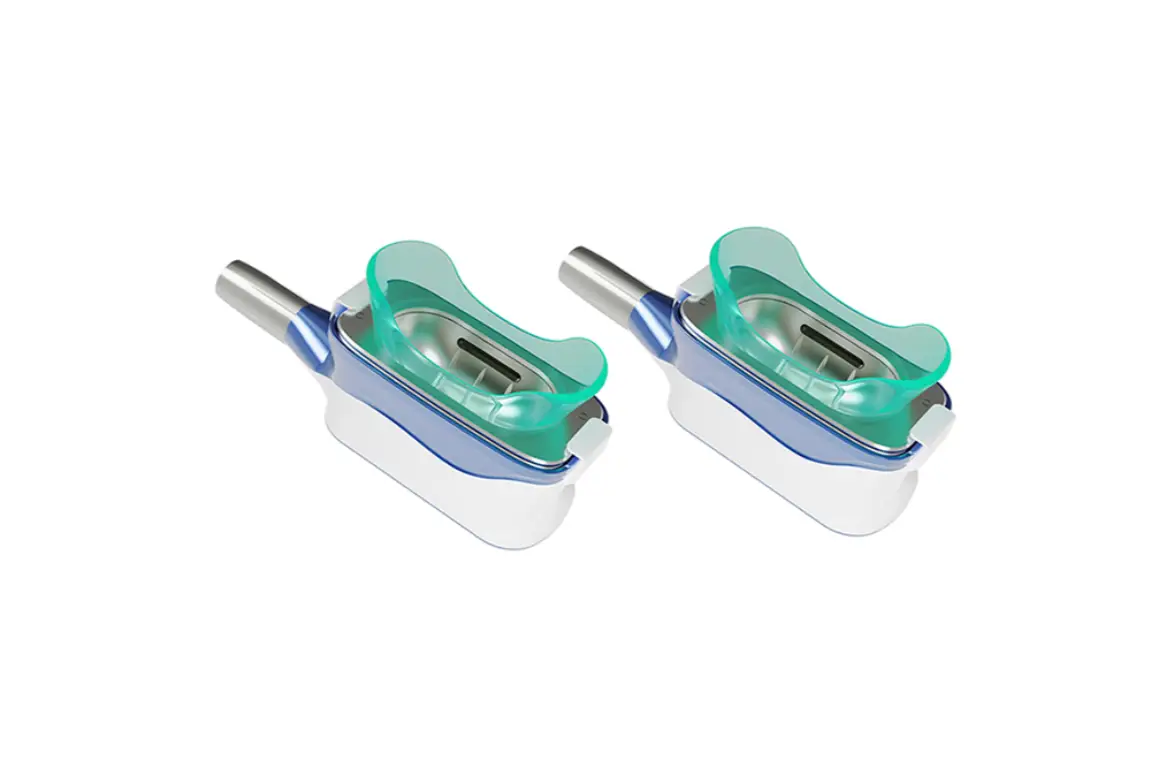
The applicator is the part that touches the client, so it matters more than almost anything else.
- How many handles? Entry-level machines come with 1–2 handles; mid-range units have 3–5; large platforms have 8 or more. More handles do not automatically mean better — but they do mean more treatment areas can be covered and more clients can be served per day. A 5-handle machine, for example, typically covers large areas (abdomen, thighs), medium areas (flanks, arms), and a small chin applicator.
- Applicator sizes. Different body areas need different applicator shapes. Check that the set includes a large applicator for abdomen/thighs, a medium one for flanks, and a small one for the chin area. If the supplier offers additional cup sizes, that is a plus.
- 360° design. Many modern applicators are built with a 360° cooling surface, which improves contact with curved body areas and shortens treatment time. This has become a common selling point, and it is worth checking whether the handles actually deliver it rather than just claiming it in marketing.
- Interchangeability. Ask whether replacement applicators are available and how much they cost. Applicators are the most wear-prone component, and a machine that cannot be serviced because the handle is unavailable is a machine you cannot use.
Red flag: a supplier who cannot tell you the exact applicator count, sizes, and dimensions of their own machine. If they do not know their own product, you are buying blind.
At Konmison, our cryolipolysis line runs from compact two-handle units to a 9-in-1 360° platform with five cooling applicators covering large, medium, and chin areas — so the applicator set can be matched to your service menu rather than the other way around.
2. Temperature Control
This is the core of the technology. The treatment relies on cooling fat to a precise temperature — cold enough to affect fat cells, but controlled enough to protect skin.
- Cooling range. A capable machine should offer a working range of roughly -10°C to +45°C (some models differ, but this is a good benchmark). The ability to adjust temperature per treatment area is important: chin treatments, for example, generally need gentler settings than abdomen treatments.
- Multiple circulation modes. More advanced units offer several cooling cycles that can be programmed independently — useful when treating different areas in one session.
- Precision and stability. Ask how the machine maintains temperature during the treatment. Compressor-based systems are generally considered more powerful and stable for sustained cooling sessions.
- Vacuum (negative pressure). Gentle suction pulls the fat fold into the cooling plates. A controllable vacuum range (e.g. 0–80 kPa) lets the operator adjust suction strength by area and client comfort.
3. Combination Technologies: Single-Function vs Multi-Function
This is the biggest buying decision, so it deserves its own section further down. For now, understand the landscape: most mid-to-high-end fat freezing machines now combine cryolipolysis with one or more additional technologies, such as:
- 40K cavitation (ultrasound) — uses low-frequency ultrasound to disrupt fat cell membranes; often offered alongside cryo as a complementary treatment.
- RF (radio frequency) — heats the deeper skin layers to stimulate collagen and tighten skin, addressing the “loose skin after fat loss” concern.
- Vacuum massage — improves lymphatic drainage and client comfort.
- Lipo laser — low-level laser energy that helps emulsify fat in treated areas.
A machine that combines several of these lets you sell a treatment package (“cryo + RF tightening”) instead of a single service — which increases average ticket value without buying a second device.
A representative example is Konmison’s 9-in-1 360° fat freezing platform, which combines cryolipolysis with RF, vacuum, 40K cavitation, and lipo laser in a single unit — one machine, one training cycle, several billable services.
Il 4 handle cryo and EMS fat freezing machine combines cryolipolysis with EMS in a single platform.
4. Power, Build Quality, and Footprint
- Power rating. Look at the rated power — it tells you a lot about the internal components. High-power units (e.g. 1000–1500W+) generally indicate stronger compressors and more capable cooling. Check that your location’s power supply matches the machine’s requirements.
- Build and mobility. The machine will be moved between treatment rooms. Check the frame material, the wheels (medical-grade casters), and overall stability. A well-built unit feels solid and does not wobble when the applicators are connected.
- Certification of components — we will cover compliance separately below, but the electrical components and plugs should match your market’s standards.
5. Screen, Software, and Ease of Operation
- Screen size and quality. Modern machines use 10–15 inch touchscreens. A larger, clearer screen makes program selection faster and reduces staff training time.
- Preset programs. Good machines come with factory programs for standard areas (abdomen, flanks, thighs, arms, chin) — this removes guesswork for new staff.
- Language options. If you serve an international clientele, check whether the interface supports multiple languages. This is a small detail that many buyers overlook and later regret.
- Software updates. Ask whether the supplier provides firmware/software updates and whether they are free.
6. Safety Features
Client safety is not negotiable, and it is also a business-protection issue — a single adverse event in your clinic can damage your reputation.
- Skin temperature monitoring / contact sensors that stop cooling if contact is lost or temperature drifts.
- Automatic shut-off on timer completion.
- Overheating protection for the compressor and electronics.
- Emergency stop accessible to the operator.
- Clear error reporting on screen so staff can identify issues quickly.
Ask the supplier specifically: “What safety mechanisms does this machine have?” If the answer is vague, keep looking.
7. Compliance, Documentation, and After-Sales
This is the section that separates professional suppliers from box movers.
- Factory documentation. A real manufacturer can provide product specifications, user manuals, and factory documentation on request. Ask for the manual before you pay — a professional manual is a strong signal of a professional product.
- Your local requirements. Compliance rules differ by market, and it is your responsibility as the buyer to verify what is required to operate and market the equipment in your country. A responsible supplier will explain what documents they can provide and let you make that assessment — they will not make blanket promises about your local market.
- Warranty. Industry-standard is typically a 1-year warranty on the main unit. Confirm exactly what is covered (compressor? screen? applicators?) and how claims are handled.
- Spare parts availability. Ask about delivery times for spare parts — compressor, applicators, gel pads, cables. A supplier with a stocked spare-parts warehouse is worth more than a slightly cheaper one without.
- Training. Most reputable suppliers provide remote training (video-based or live online sessions) plus a training manual and video library. Understand that for overseas buyers, training is delivered remotely — this is normal and standard for the industry. If a supplier promises installation support at your location as part of a standard export package, clarify exactly what is included in writing before you commit.
Single-Function vs Multi-Function: Which Should You Buy?
This decision depends on your clinic’s current service menu and budget, not on which option is “better” in the abstract.
| Considerazione | Single-function cryolipolysis | Multi-function (cryo + cavitation/RF/vacuum/lipo laser) |
|---|---|---|
| Il migliore per | Clinics that already have other body machines and want a dedicated cryo service | New body contouring menus, or clinics that want one machine to do several services |
| Treatment menu | Cryolipolysis only | Cryo + fat cavitation + skin tightening (RF) + vacuum massage |
| Staff training | Simplest — one technology to learn | Slightly more to learn, but presets reduce the load |
| Average ticket value | One service per visit | Package sales (cryo + RF) per visit |
| Spazio | Smaller footprint possible | Larger, more integrated unit |
| Bilancio | Lower entry price | Higher entry price, but replaces 2–3 separate machines |
Our recommendation for most first-time buyers: if this is your first body contouring machine and you want to launch a full service line, a multi-function machine gives you more revenue options per square meter. If you already run a busy clinic with separate machines and simply want to add fat freezing as a premium service, a well-built single-purpose unit may be the cleaner choice.
How Many Handles Do You Need?
Handle count is the single most common source of buyer confusion. Here is a practical way to think about it:
- 2 maniglie — enough to start offering basic abdominal and flank treatments. Lowest cost, smallest footprint. Suitable for clinics testing the market or with very low client volume.
- 3–5 handles — the sweet spot for most clinics. Covers large (abdomen, thighs), medium (flanks, arms), and small (chin) areas, which means a full treatment menu. 5-handle configurations are very common in this class for a reason.
- 8+ handles — high-throughput configurations for clinics that treat many clients per day or want redundancy (if one handle needs service, others keep the clinic running).
Rule of thumb: buy the machine with the largest number of treatment areas you will actually sell, not the one with the most handles in the spec sheet. An extra chin applicator you never use is wasted money; a missing thigh applicator you discover on week one is a lost client.
Browse the full fat freezing slimming machine range to compare applicator sizes and handle counts.
Pricing and ROI: What to Expect
We deliberately do not quote prices here, because fat freezing machines range widely depending on configuration, handle count, and whether the unit is multi-function. What you should understand instead is the economics:
- The machine is the main cost. Session consumables (gel pads) are inexpensive, and applicators, while not cheap, are long-lived with proper care.
- Price per session in most markets is several times the per-session consumable cost — which means the machine typically pays for itself within a few months at moderate client volume, and becomes pure margin after that.
- Multi-function machines justify a higher price through additional service lines (each with its own per-session price).
When comparing quotes, compare the full configuration: handle count and sizes, included accessories (gel pads, protective sheets, spare parts), warranty, and training. A quote that looks cheaper may simply include fewer handles or no spare parts — and the “savings” disappear the first time you need a replacement applicator.
Training and After-Sales: What to Demand
For an overseas buyer, everything about training and support happens remotely — and that is fine, as long as it is structured. Before you pay, confirm in writing:
- Remote training — live video training session(s) with your staff, covering setup, daily use, and the full treatment workflow.
- Video library / manuals — permanent access to training videos and a written manual in a language your staff can read.
- Response time — how quickly the supplier responds to technical questions (a good benchmark is within 24 hours on business days).
- Spare parts dispatch — typical shipping time for parts, and whether they can diagnose remotely (photos/video) before shipping parts.
- Warranty claim process — exactly who to contact, what evidence is needed (photos/video of the issue), and how replacements are handled.
A professional supplier treats after-sales as part of the product. If a supplier is slow to respond before you pay, they will be slower after you pay.
FAQ: Cryolipolysis Machine Questions Every Buyer Asks
How many sessions does a client need?
Typically 1–3 sessions per area, depending on the client’s goals and the treated area. The body continues to clear treated fat cells for up to 12 weeks after a session, so results should be assessed over that window rather than immediately.
How soon do results appear?
Initial changes are usually visible at 3–4 weeks, with full results at around 8–12 weeks. This is a gradual, natural process — and it is why follow-up appointments are built into the treatment plan.
Is cryolipolysis safe?
The technology is non-invasive and has been widely used in the industry for over a decade. Safety depends on correct operator training, appropriate client selection (it is not for everyone — e.g., clients with certain conditions should not be treated), and a machine with proper temperature monitoring and shut-off mechanisms. Common temporary side effects include redness, numbness, and mild bruising in the treated area.
Can cryolipolysis treat all body areas?
Common areas include the abdomen, flanks (love handles), thighs, upper arms, and chin/under-chin. Applicator shape determines which areas a specific machine can treat — another reason to check the applicator set carefully.
Is cryolipolysis a weight-loss treatment?
No. It reduces localized fat pockets in clients close to their target weight. It is a body contouring treatment, and responsible clinics explain this clearly to clients so expectations stay realistic.
How do I choose between cryolipolysis and other body machines?
Cryolipolysis is the leading choice for clients specifically seeking non-invasive fat reduction with no downtime. For skin tightening alongside fat reduction, machines combining cryo with RF give you both services in one device. If you are also considering EMS body sculpting for muscle toning, read our sister guide on EMSlim machines — the two technologies are complementary, and many clinics offer both.
What power supply and space do I need?
Most fat freezing machines run on standard mains power (verify the exact rating with the supplier — higher-power units such as 1500W models need a capable circuit). As for space, allow roughly the footprint of the machine plus room for the applicators and a treatment bed; if you plan to move the machine between rooms, make sure the caster quality and doorway clearance are suitable. These are exactly the details to confirm with the supplier before you order, along with the machine dimensions and weight.
How long does a fat freezing machine last, and what maintenance does it need?
A well-built machine with proper care typically serves for years of regular use. Daily maintenance is simple: wipe down the applicators and cooling plates after each client, follow the manufacturer’s gel-pad guidance, and keep the unit’s ventilation clear. The compressor is the component most worth protecting — always let the machine follow its own cool-down cycle and avoid blocking airflow. Ask your supplier for their maintenance checklist during training, and keep the spare-parts contact details somewhere your staff can find them.
Why Buyers Choose Konmison
Konmison manufactures body contouring and beauty equipment with an in-house production line for our core products, complemented by vetted manufacturing partners for additional categories. Our fat freezing line covers the full spectrum — from compact two-handle units to multi-function platforms such as the 9-in-1 360° fat freezing machine with cryolipolysis + RF + vacuum + 40K cavitation + lipo laser in a single unit, and 5 cooling applicators covering large, medium, and chin areas.
What you get when you buy from us:
- Full configuration transparency — exact applicator counts, sizes, cooling range (-10°C to +45°C), vacuum range (0–80 kPa), power ratings, and everything else in this checklist, in writing, before you order.
- Factory documentation — detailed user manuals and product specifications, plus a remote training session and training video library for your staff.
- 1-year warranty on the main unit and a stocked spare-parts supply, with remote diagnosis support (photos/video) and fast dispatch.
- Responsible compliance guidance — we provide our factory documentation and let you verify the requirements for your own market, rather than making promises we cannot keep.
Browse our full range of fat freezing machines, o contact our export team with your clinic’s service menu and target market — we will help you spec the right configuration, not the most expensive one.
This guide is intended for professional buyers evaluating equipment for commercial use. Always verify the requirements for operating and marketing aesthetic equipment in your own country, and consult appropriate professionals for clinical guidance.
Planning a broader equipment list? Read our guide to CO2 fractional laser machines for resurfacing and scar work.
Also planning a pain relief or physical therapy service line? Our guide to focused and radial shockwave platforms compares them on the specifications that decide fit — energy source, treatment heads, and service-menu match.



 EN
EN  RU
RU  ES
ES  IT
IT  AR
AR  FR
FR  DE
DE  JA
JA  KO
KO  NL
NL