

Radiofrequency skin tightening (RF) has become a gold standard in the fast-changing world of non-invasive skin treatments. Being a consumer who desires to have a lunchtime facelift or an aesthetic clinic owner who wants to expand the scope of services, it is necessary to be aware of the details of this technology.
Unlike surgical facelifts that require downtime and incisions, RF treatments utilize safe radio waves to heat the deep layers of the skin. But many ask: what is radio frequency skin tightening exactly, and how is heat converted to firmer skin? What separates a home gadget from a clinical-grade machine? And most importantly, is this cosmetic procedure safe?
This guide dives deep into the science, benefits, and manufacturing standards behind high-performance radio frequency skin tightening technology.
The Science of RF: How Radio Frequency Rejuvenates Your Skin
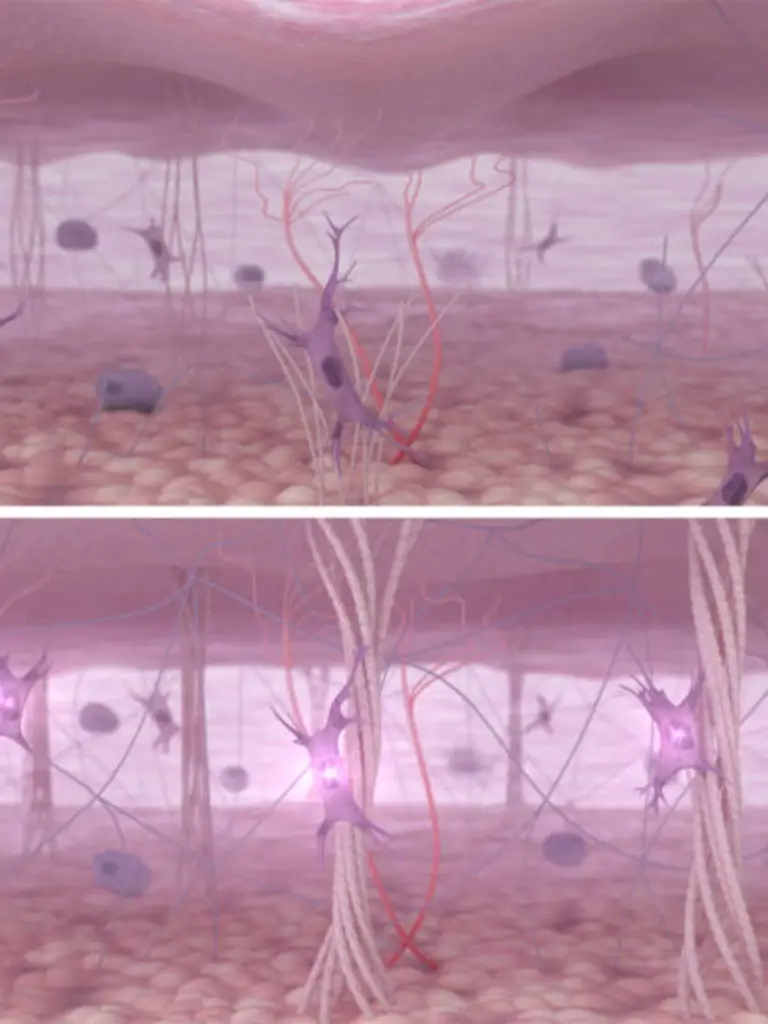
Radiofrequency energy is essentially electromagnetic energy. These energy waves are resisted (impedance) in the tissue when applied to the skin. This resistance generates heat—a principle known as resistive heating.
Professional radiofrequency treatment protocols are designed to heat the dermis (the structural layer of the skin) to a certain temperature of 50°C to 75°C (122°F – 167°F) without heating the epidermis (the surface layer) or destroying it. This heating effect leads to two physiological processes:
- Immediate Collagen Contraction: The heat causes hydrogen bonds in existing collagen fibers to break and contract, resulting in an immediate tightening effect often visible right after treatment.
- Neocollagenesis (Long-Term Remodeling): The thermal “injury” signals fibroblasts to boost the production of collagen and elastin production over the weeks and months following the procedure.
Key Benefits: From Collagen Boosting to Contouring
Despite the headline benefit of fixing loose skin, the new RF technology has a multi-dimensional solution to facial rejuvenation and body sculpting, combating visible signs of aging:
- Dermal Thickening: RF increases collagen density and therefore makes thin, crepey skin regain its skin elasticity and strength.
- Wrinkle Reduction: It minimizes the appearance of wrinkles around delicate areas like the eyes (crow’s feet) and deeper folds like nasolabial lines.
- Facial Contouring: It sharpens the jawline and reduces the appearance of jowls by tightening the skin envelope.
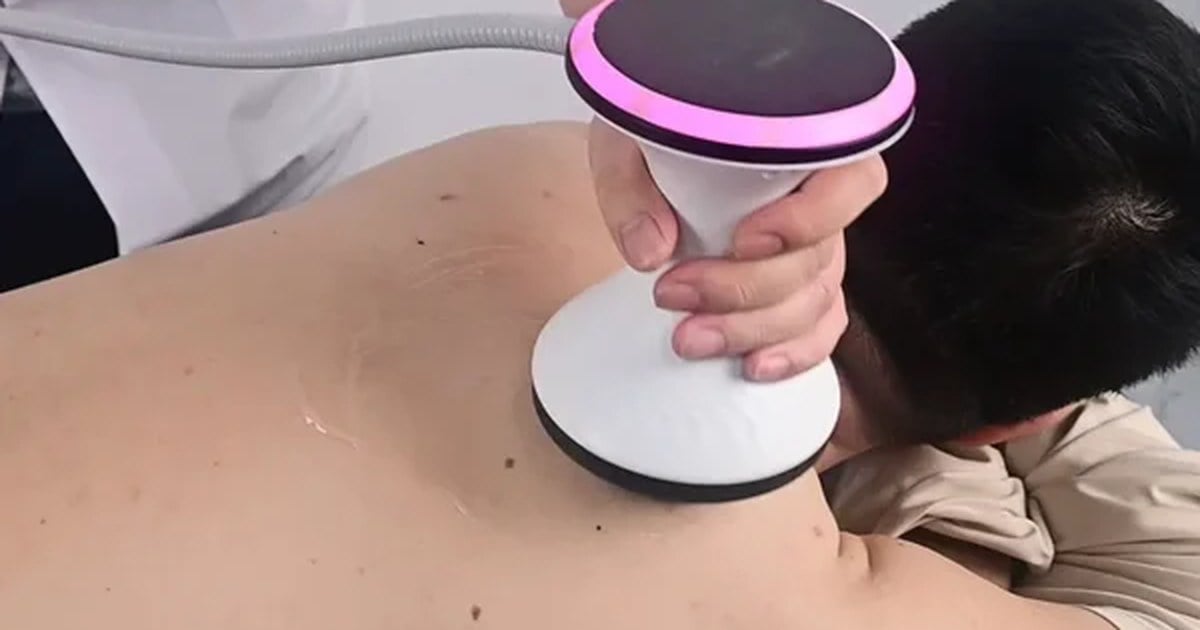
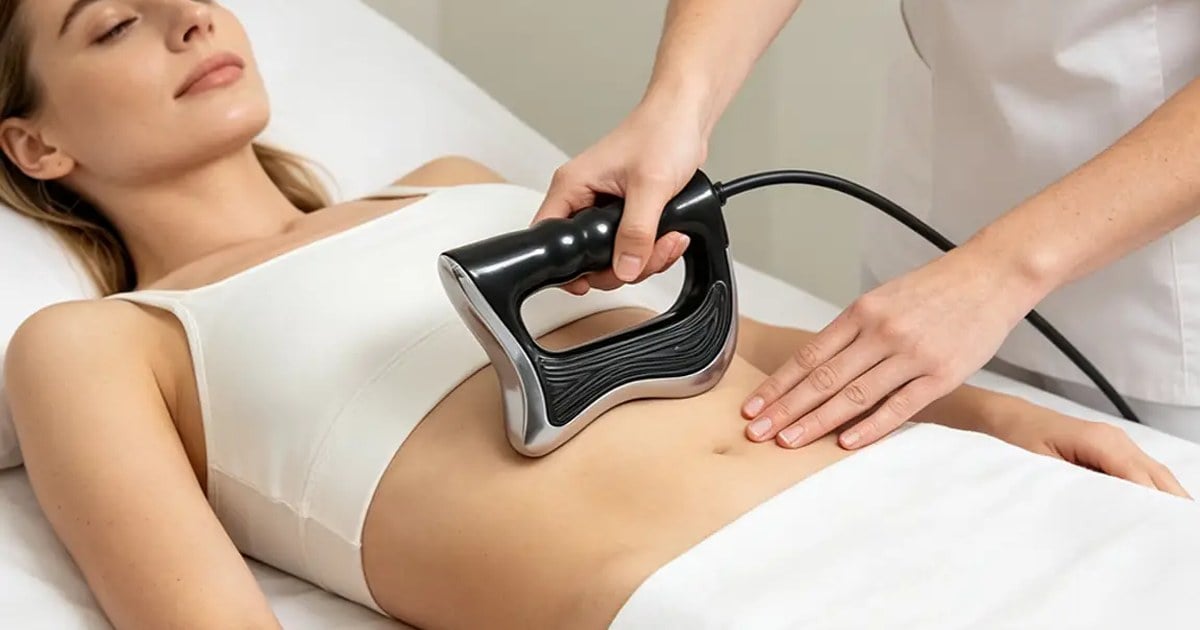
- Body Contouring & Fat Reduction: High-energy RF doesn’t just tighten skin; it can also induce lipolysis (fat cell death). Heat may disrupt the subcutaneous layer and therefore it is an excellent dual-action therapy of the abdomen or thighs where the skin laxity and the localized fat pockets co-exist.
Understanding RF Modalities: Monopolar vs. Bipolar vs. Multipolar
Not all RF machines are created equal. The way the energy is transmitted between electrodes defines the depth and safety of the radiofrequency skin tightening procedure.
- Monopolar RF: It is a technique that uses one active electrode on the skin and a grounding pad on the patient body. The energy is passed on to the pad.
- Best for: Deep tissue heating and treating thick skin or fat layers (body contouring). It provides the greatest penetration (to 20mm).
- Bipolar RF: Uses two electrodes on the handpiece. The energy travels in a shallow arc between them.
- Best for: Superficial skin tightening, precise facial work, and delicate areas. It is shallow penetration (2-4mm).
- Multipolar RF: A modern advancement using three or more electrodes. The energy successfully interlaces between them to form a thick, homogenous energy field.
- Best for: A balance of safety and efficacy. It also spreads the heat more evenly eliminating the chances of hot spots and making the treatment more comfortable to the client and yet attaining a great depth.
Target Treatment Areas: Face, Neck, and Body
For those new to radio frequency skin therapies, it is important to know that RF is incredibly versatile. It is safe on all skin tones and is an excellent addition to advanced skin care regimens because it is color-blind (unlike lasers, which are pigment-specific).
- The Face:
- Forehead: Lifts brows and tightens forehead skin.
- Eyes: Treats hooding eyelids and under-eye bags.
- Jawline & Chin: This is the most popular part of defining the profile and eliminating the “double chin.”
- The Neck:
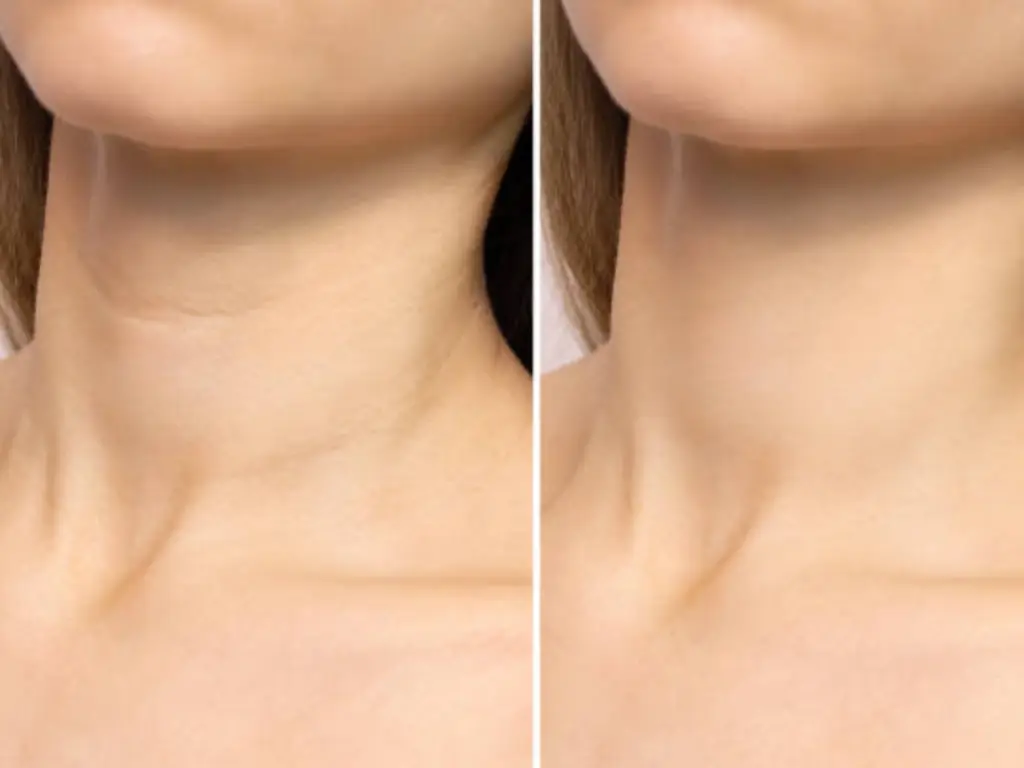
- Specifically targets “turkey neck” and horizontal neck bands.
- The Body:
- Abdomen: Highly effective for post-partum loose skin (“mommy tummy”).
- Arms: Treats “bingo wings” (triceps skin laxity).
- Thighs & Knees: Smooths cellulite and tightens sagging skin above the knees.
Recommended Treatment Frequency Based on Treatment Target
| Treatment Area | Primary Concern & Goal(Why treat this area?) | Typical RF Frequency(Depth of Penetration) | Typical Session Duration | Recommended Interval | Total Sessions |
| Eyes (Periorbital) | Delicate Skin: Treating crow’s feet and thin skin. Requires superficial heating. | 3 MHz – 5 MHz (Superficial Focus: ~1.5mm) | 15 – 20 Mins | Every 2 – 3 weeks | 6 – 8 |
| Face (Full) | Collagen Boost: Improving overall laxity and density in the mid-dermis. | 1 MHz – 3 MHz (Dermal Focus: ~3.0mm) | 30 – 45 Mins | Every 3 – 4 weeks | 6 – 8 |
| Neck & Jawline | Structure & Lifting: Targeting SMAS overlay and jowl fat accumulation. | 1 MHz – 2 MHz (Deep Dermis: ~4.5mm) | 20 – 30 Mins | Every 2 – 3 weeks | 6 – 8 |
| Body (Skin Tightening) | Laxity Repair: Post-partum loose skin or sagging. Focus is on deep dermal heating. | 1 MHz (Deep Dermis/Subcutaneous) | 40 – 60 Mins | Every 2 – 3 weeks | 8 – 10 |
| Body (Contouring) | Fat Reduction: Breaking down stubborn fat pockets (lipolysis). Needs deep penetration. | 0.5 MHz – 1 MHz (Subcutaneous Fat: 10-20mm) | 45 – 60 Mins | Weekly | 8 – 12 |
| Maintenance | Long-term Results: Preserving collagen levels. | Varies | Varies | Every 3 – 6 mos | Ongoing |
The Procedure: How Does It Feel?
One of the most important selling points of the RF therapy is the fact that the treatment is relatively painless compared to other aesthetic procedures.
- The Sensation: Most clients call the sensation a hot stone massage. It is a warm emotion that will be profound and will evolve gradually.
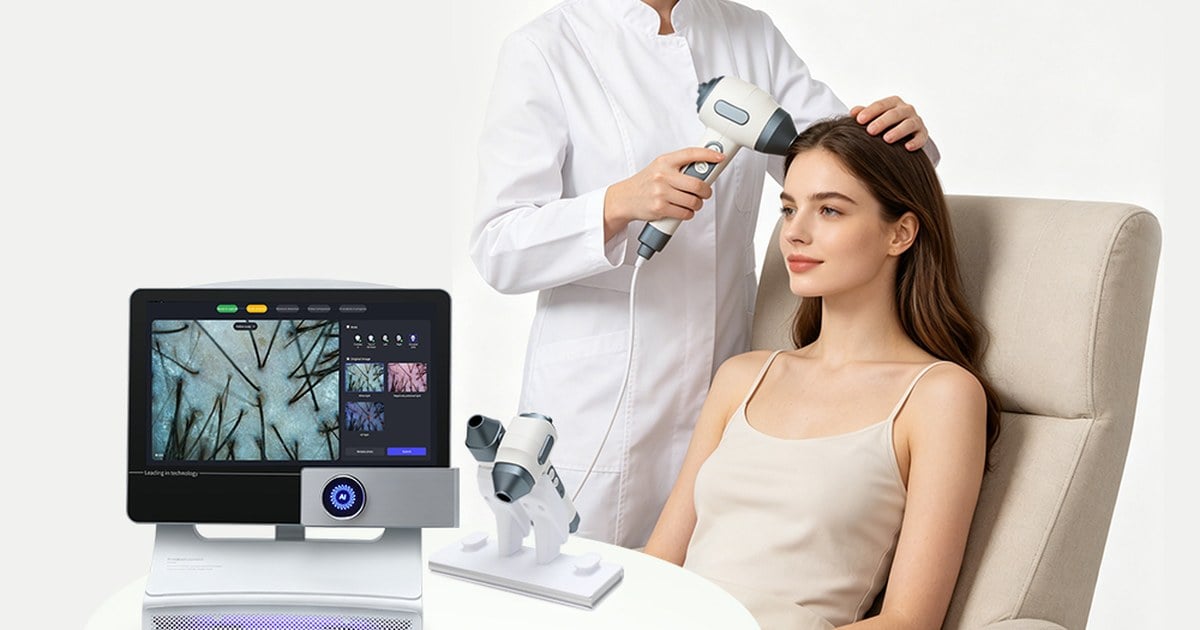
- Comfort Management: Advanced professional machines monitor the skin temperature in real-time. The operator can adjust the settings or speed up the handpiece in case the heat is excessive.
- Pain Levels: On a scale of 1 to 10, most patients rate RF between a 2 and a 4. It is significantly less painful than ultrasound (HIFU) or ablative lasers. There is no need for anesthesia or numbing cream for standard RF treatments (though RF Microneedling is an exception).
RF Skin Tightening: Realistic Results
It is all about expectations management. RF is not a surgical facelift; it will not pull skin back by inches. Instead, it improves the skin quality and tightness.
- The “Cinderella Effect”: You may look tighter immediately after the treatment due to mild edema (swelling) and immediate collagen contraction. This creates a “glow” that lasts for 24-48 hours.
- The Real Change: True results appear gradually. The skin texture becomes better and firmer as your body stimulates natural collagen production.
- Peak Results: The most significant changes are usually visible 2 to 3 months after the final session of the initial course.
- Longevity: The results may take 1 to 2 years, depending on how the patient ages naturally and how they live (smoking and significant sun damage will worsen the results).
RF Skin Tightening Aftercare Guide and Recovery Timeline
Because RF is non-invasive and does not damage the epidermis, the recovery is minimal, often referred to as a “lunchtime procedure.”
- Immediately After: The skin may appear pink or red (erythema) and feel warm, similar to a mild sunburn. This typically subsides within 1-2 hours.
- Days 1-3: You can return to normal activities immediately.
- Hydration: Drink plenty of water to assist the lymphatic system, especially if body contouring was performed.
- Skincare: Use gentle moisturizers. Avoid aggressive exfoliation or acids (retinol, glycolic acid) for 3 days.
- Sun Protection: This is non-negotiable. Apply SPF 30+ to prevent UV damage to the sensitized deep tissues.
- Week 1: There are no particular limitations, although a healthy diet helps to promote collagen production.
Safety Profile: Side Effects and Contraindications
Radio Frequency has an excellent safety profile when performed with FDA/CE-cleared devices by trained professionals. But it is not riskless when handled in a bad way.
| Reaction Type | Description | Frequency |
| Normal Reactions | Mild redness (erythema), warmth, slight swelling (edema). | Very Common (expected) |
| Rare Side Effects | Blistering, minor bruising, temporary numbness. | Rare (<1%) |
| Serious Risks | Burns, fat indentations (if overheated locally), hyperpigmentation. | Very Rare (usually operator error) |
Key Contraindications:
- Pacemakers or metal implants: RF energy can interfere with electrical devices or heat up metal implants in the treatment area.
- Pregnancy: Treatments are generally not performed on pregnant women.
- Active Infections: Open wounds or severe acne in the treatment area.
- Severe Rosacea: The heat can exacerbate broken capillaries.
RF vs. HIFU vs. Laser: Comparing Technologies
These three technologies are usually mixed up by clients. Although they are all meant to rejuvenate, they reach various layers of the skin.
- RF (Radio Frequency):
- Target: Entire Dermis and Subcutaneous Fat.
- Best For: General skin tightening, improving skin density, and body contouring. It creates “bulk heating.”
- HIFU (High-Intensity Focused Ultrasound):
- Target: The SMAS layer (the muscle fascia deep to the dermis).
- Best For: Lifting and hoisting. It does not heat in bulk but focuses on certain focal points. It is generally more painful than RF.
- Laser (CO2 / Erbium):
- Target: Epidermis and upper Dermis.
- Best For: Surface texture, pigmentation, scars, and fine lines. Lasers treat the “canvas” of the skin, while RF treats the “structure.”
At-Home Devices vs. Professional Clinical Machines
Should you spend money on a home device of $400, or should you spend money on professional treatments? The distinction is in Power, Depth and Consistency.
| Feature | At-Home RF Device | Professional Clinical Machine |
| Power Output | Low (5 – 15 Watts). | High (50 – 300+ Watts). |
| Frequency | Usually 1MHz (Fixed). | 1MHz – 40MHz (often Variable). |
| Penetration Depth | Superficial Dermis (1-2mm). | Deep Dermis to Subcutaneous Fat (up to 20mm). |
| Temperature Control | Basic sensors. | Advanced cooling systems. |
| Results | Subtle. Requires daily use. | Visible contouring. Monthly sessions. |
| Cost | $200 – $600 (One-time) | $200 – $500 (Per Session) |
The Verdict: Home devices are suitable in keeping the body in good condition in between clinic visits, but they cannot produce the thermal energy needed to carry out any major structural remodeling or fat burning.
How to Choose High-Performance RF Equipment

In the case of aesthetic clinics, med-spas, and distributors, the choice of an RF device is not only a purchase but a business decision. In order to reduce risk and maximize profitability, buyers ought to consider potential partners in two main perspectives: the Device Quality and the Supplier Capability.
The critical dimensions to be considered are as follows:
- Safety and Compliance (The Baseline)
RF devices are in direct contact with human skin, so there is no compromise on safety.
- Certifications: Make sure that the equipment is up to the regulatory standards of your target market. Search for FDA clearance (USA), CE marks (Europe), or RoHS compliance. Such certifications insure your business against legal liability.
- Skin Safety: Check that the equipment is made of medical grade materials (high-quality stainless steel probes) to avoid rust and metal allergies during treatment.
- Technology and Functionality
Client retention is motivated by results. You require a machine that provides reliable clinical results.
- Core Specs: Does the machine have a consistent power output and accurate temperature control?
- Flexibility: Find devices with variable frequencies or different probe sizes to be able to treat both sensitive parts of the eye and larger parts of the body.
- Cooling Systems: To avoid burns and to keep clients comfortable during high-energy treatments, it is necessary to have effective cooling.
- Construction Quality and Strength
Your machine is a source of income; time is money.
- Durability: Select products that are engineered using heat resistant plastics instead of brittle materials that turn yellow or crack with time.
- Stability: Inquire whether the manufacturer conducts intensive aging tests (stress tests on continuous operation) to make sure that the internal parts will not fail on the busy days.
- Supplier Strength and Service
You are not purchasing a box, you are purchasing a partnership.
- Support: Does the supplier provide full after sales support, such as remote training, technical support and quick delivery of spare parts?
- Customization (OEM/ODM): Does the factory have the R&D capability to customize the software, casing, or logo to create your brand?
- Capacity: Are they able to assure consistent production and delivery on time?
- Return on Investment (ROI)
The low cost of a machine can be expensive in the long term because of repairs and low performance.
- Value Proposition: Compare the Cost vs. Performance ratio. A high-performance machine may be more expensive to buy at the beginning but enables you to charge high prices in case of improved results.
- Reliability: A stable machine means that it will operate continuously, which means that the break-even point will be lower and long-term profit margins will be higher.
The Professional Choice: Konmison
It may be difficult to find a manufacturer that follows the high standards above strictly. The example of how a professional factory works is Konmison, which was founded in 2013. They have a 12,000 sqm plant and 6 automated production lines, which make them stand out among generic assemblers with strict industrial discipline.
- Certified Compliance: They operate under the ISO 13485 medical quality management system and their products are fully certified with CE, FDA and RoHS, which guarantees their entry into the European, American and Middle East markets.
- Quality Assurance: Durability is not an assumption. They use only the best materials of stainless steel 303 food grade and Chi Mei ABS. Each unit is subjected to a detailed QC procedure, such as 48 hours PCB aging, vibration test, and 100% inspection of components prior to delivery.
- Scalability & Support: Konmison has a stable delivery (DDP services available) and profound OEM/ODM customization capabilities with an annual capacity of over 30,000 units. Their 24/7 technical support and remote training fill the gap between manufacturing and clinical application.
To the business owners who want to find a partner that has been proven and not just a vendor, Konmison provides the stability, safety qualifications, and manufacturing transparency that would enable the business to grow in the long term.
Frequently Asked Questions About RF Therapy
- Who Is The Ideal Candidate?
The perfect candidate is usually aged between 30 and 55 years with mild to moderate skin laxity. They possess tissue slack, but are not yet in need of a surgical lift. It is also perfect to postpartum women who want to tighten abdominal skin.
- Can RF Melt Fat?
Yes, but it is a matter of modality. Deep-penetrating RF (high-energy, often Monopolar) can be used to heat the subcutaneous layer to the extent of causing apoptosis (fat cell death). Bipolar RF is more concerned with skin tightening rather than fat reduction.
- Can I Combine RF with Botox or Fillers?
Yes, but timing is important. Generally, it is advised to wait 2 weeks after Botox or fillers before undergoing an RF treatment to prevent the possibility of the injectables migrating or shortening the life of the injectables because of the heat.
- Is RF Safe for Dark Skin?
Yes. Radio Frequency is color-blind. RF attacks water molecules and tissue resistance unlike lasers, which attack melanin (pigment). This renders it to be one of the safest anti-aging agents against Fitzpatrick Skin Type IV-VI.


 EN
EN  RU
RU  ES
ES  IT
IT  AR
AR  FR
FR  DE
DE  JA
JA  KO
KO  NL
NL