

In the environment of the current thriving global beauty and wellness market, the idea of establishing a successful salon is a dream to many. Nevertheless, statistics indicate that more than 60 percent of beauty salons face operational crises in the first two years. It is not usually due to bad technique, but to the absence of a scientific, rigorous, and practical solid business plan.
This guide is not just a document template, but a roadmap to profitability. It will take you out of the Blue Ocean of brand positioning with the help of exact market research, scientific site selection, the best salon equipment acquisition, and a strict financial plan to create a beauty empire that will be competitive over the long term.
Defining Your Unique Salon Concept and Brand Identity
The current beauty market has entered the period of extreme segmentation. When you are trying to operate a classic hair salon that does a little of everything, you are bound to be lost in a Red Ocean price war. Defining your Niche and a clear mission statement is the first step of a solid plan.
Abandon “Generalism,” Pursue “Excellence”
Mediocre articles will tell you: “Pick a nice name and a graceful decor style.” But a top-tier plan requires you to answer: What is the soul of your brand?
- Medical Spa (Med-Spa): This model is results-oriented. It involves the use of non-invasive, medical grade equipment (lasers and RF) to address certain skin problems such as hyperpigmentation, acne or aging. The target market is white-collar workers and elites who are efficiency-seeking and can afford high-tech products.
- Japanese Skincare Management: This focuses on the feeling of delicacy, ritual and long term skin conditioning in the service. Its main competitive advantage is the refined service and minimalism, which appeal to the clients who appreciate experience and emotional value.
- High-End SPA and Stress Relief: In case your place is in a high-end residential or business area, this model will help the urbanites to overcome their anxiety with the help of aromatherapy, special lighting, and deep-tissue massage.
Defining Your Brand Persona
In your plan, you need to describe your brand as if describing a real person:
- Visual Tone: Is it a cold, industrial style (representing tech-savviness) or a warm, wooden aesthetic (representing natural healing)?
- Communication Style: How do your staff interact with clients? Is it through professional clinical advice or warm, friend-like care?
- Target Audience: Is your typical client a 25-year-old workplace newcomer or a 45-year-old housewife with urgent anti-aging needs? Once this is clarified, your subsequent marketing strategies and pricing will have a solid foundation.
Comprehensive Market Analysis and Competitor Benchmarking
A business plan without data support is merely an “illusion.” Whether you are an existing salon looking to pivot or a new salon, you need to perform a deep analysis of your location.
Market Profile Within a 5-Kilometer Radius
The radiation range of a beauty salon is usually limited, with the core customer group concentrated within 3–5 kilometers of the store.
- Demographics: Research the population density, average household income, and occupational composition of the region. To illustrate, in case the environment is predominantly high-tech industrial parks, quick lunchtime beauty treatments and eye fatigue relief will be selling.
- Consumer Habits: Are they weekend spenders or evening after work spenders? Do they prefer to buy individual services or prepaid membership cards?
Competitor Benchmarking: Finding the “White Space”
List your competitors in the plan and analyze their strengths and weaknesses:
- Service Gaps: It may have 10 nail salons in the 5 kilometers, but none of them provides professional non-invasive body contouring. This is your opportunity.
- Pricing Gaps: When competitors are offering $50 low-end facials and $500 luxury SPAs, then the sweet spot in the market could be the light medical beauty grade treatments at $150-200.
- Technological Gaps: Note whether competitors are still operating equipment that is five years old. Then, your high-tech equipment capabilities will be used as a weapon to destroy the competition.
Strategic Location Selection and Facility Layout Design

“Location” is vital, but the logic behind selecting a site for a beauty salon is far more complex than that of a restaurant, and it significantly impacts your startup costs.
Traffic Logic vs. Conversion Logic
- Street-Level Stores: These have natural exposure but come with expensive rent. Suitable for brands focusing on fast-moving consumption and mass-market services.
- Office Buildings/Private Studios: These offer good privacy and lower rent but require extremely high active customer acquisition capabilities. Suitable for high-end, private beauty centers with a loyal fan base.
Optimizing “Revenue per Square Foot” Through Flow Design
In the operational section of your business plan, you need to present a scientific floor plan and organizational structure:
- Public Area (20%): The waiting area and reception must be in line with the brand. It must not be too big to waste valuable floor space.
- Treatment Area (70%): This is where value is produced. Make sure that the movement in every room is free to save time that the technicians use to move around.
- Support Area (10%): This will cover the equipment sterilization room and staff lounge.
- Professional Advice: Room design must take into consideration multi-functionality. When a room is capable of doing a facial and then changing to a body contouring room using mobile equipment, your output per square meter will be doubled.
Curating Your Service Menu and Professional Technology
The Service Menu in a business plan is not a price list; it is the profit logic of your salon. An effective menu should be able to strike the right balance between the speed of acquisition and the depth of profit. These projects are divided into three strategic levels and discussed in terms of how the best technology can be used to implement them.
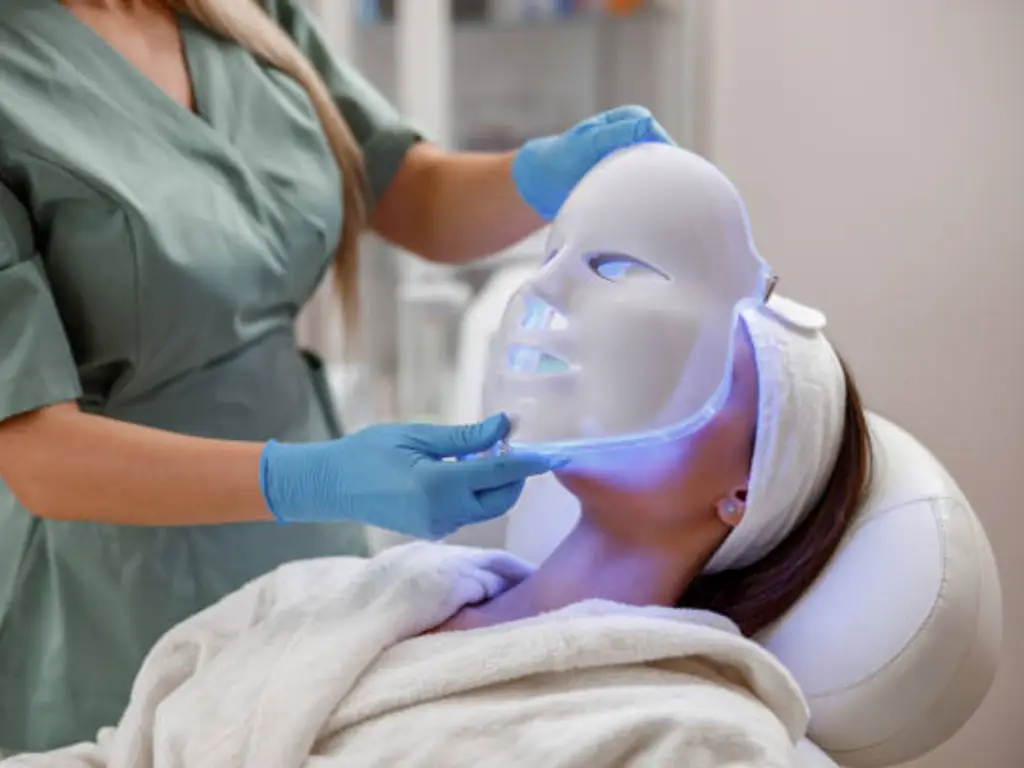
Your menu should have the following three categories in order to grow sustainably in the long term:
Low-Threshold Entry Hooks
- Representative Projects: Basic deep cleaning, Hydro-Facials, cold spray soothing.
- Strategic Purpose: To lower the psychological barrier for new customers entering the store. These projects are usually non-invasive with immediate visible effects.
- Profit Logic: Lower profit margins but extremely high repurchase rates. Use these basic treatments to build initial trust between the client, the technician, and the brand.
High-Ticket Profit Cores
- Representative Projects: RF Skin Tightening, HIFU (High-Intensity Focused Ultrasound), Ultrasonic Cavitation.
- Strategic Purpose: To solve the client’s core pain points (anti-aging, fat reduction).
- Profit Logic: These services are highly dependent on instrument performance. The fee for a 60-minute RF tightening session can be 5–8 times that of a basic treatment, acting as the primary source of clinic revenue.
Long-term Retention Anchors
- Representative Projects: Professional Laser Hair Removal, EMS Electromagnetic Muscle Stimulation.
- Strategic Purpose: Laser hair removal and body contouring usually require 6–12 periodic treatments.
- Profit Logic: To lock in the client’s visiting frequency for the entire year. The more often a client visits, the higher the chance for secondary conversions (cross-selling other projects).
In the establishment of such projects, the dependability of the equipment will directly influence the rate of return of the customer. Most entrepreneurs do not last their first year due to poor choices of cheap and unstable equipment that leads to churning of clients during the most important first experience.
Konmison (Guangzhou Konmison Beauty Equipment Co., Ltd.) as a major producer of beauty equipment is committed to offering multi-functional advanced platforms to the global entrepreneurs. Konmison has maintained the high quality of all instruments since its opening in 2013 using six automated production lines in a 12,000-square-meter modern factory.
Enhance your project competitiveness through Konmison technology:
| Core Service | Recommended Konmison Platform | Client Value & Profit Point |
| Tech Anti-aging | Multi-polar RF & HIFU Platform | Provides non-surgical face lifting with significant results; the high-end profit engine for salons. |
| Precision Slimming | Cavitation, Lipo Laser & Cryolipolysis | Targets stubborn local fat; increases average order value through combination plans (e.g., Cavitation + RF). |
| Efficient Hair Removal | Diode Laser Platform (808nm/755nm/1064nm) | Compared to traditional IPL, Konmison’s laser platform achieves virtually painless and permanent results, with a high return rate. |
| Skin Repair | Hydrodermabrasion & Multi-function Beauty Machine | Multi-functional all-in-one models; one machine covers 10+ basic treatments, greatly saving store space. |
In addition to the performance of the equipment itself, Konmison offers extensive support to entrepreneurs, which is one of the main aspects of minimizing risks in the operation of your business plan:
- Extreme Quality Control: 100% inspection of components and more than 48 hours PCB aging tests are done on each machine before it leaves the factory. This will ensure that your salon does not close down because of a failure of equipment, which will save your cash flow.
- Global Compliance: Has complete international certifications such as CE, FDA, RoHS and FCC. In case you intend to establish a store in foreign markets (e.g. North America or Europe), the qualification of Konmison will help you to overcome regulatory obstacles.
- Customization (OEM/ODM): Allows customization of appearance, LOGO and system language. This implies that you can possess a star model that is unique to your brand, creating a competitive barrier that is unique in the local market.
With the introduction of high-ROI equipment by Konmison, beauty salons will be able to not only deliver immediate results but also save a lot of money on the initial procurement and decrease the payback period.
Human Resources: Recruiting and Retaining Top Talent

Talent in the beauty service industry is not merely labor, but the bearer of brand assets. Most of the failed salons are in a vicious cycle of hiring with high salaries, technicians leaving, taking away clients, and the business collapsing. Thus, a developed business plan should address the excessive dependence on individual star technicians through a professional management team.
To begin with, the recruitment policy must be changed to be not single-skill oriented but comprehensive quality-oriented. Customer service is the essence of the beauty industry. Not only should excellent technicians be able to operate high-tech instruments skillfully, but also have profound knowledge of skin anatomy and outstanding empathy. At the interview phase, simulated consultation scenarios can be used to determine whether the candidate is able to deliver a perfect elevator pitch regarding your salon services.
Secondly, the enterprise must develop a “Platform Support” system to retain the best talent. All skin test reports, past treatment records and equipment parameter settings are stored digitally by introducing a standardized customer management system (CRM). This ensures that even if you are a sole proprietor, the technician who takes over can easily understand the condition of the client and the service experience continues.
Multi-Channel Marketing Strategies for Rapid Client Acquisition
The logic of customer acquisition of contemporary beauty salons has shifted the traditional radiation of the physical trade zone to the social media-based accurate conversion. Basic flyer distribution is no longer able to access high-net-worth customer segments. You must create a multi-channel marketing grid that employs visual impression and search weight to fill the mind of the customer.
The initial front of battle in brand exposure is visual social media marketing. Salons should concentrate on Result Marketing on such platforms as Instagram, X, or Tik Tok. Rather than putting dull product pictures, use professional cameras to show the instantaneous effects in Before and After pictures. As an example, demonstrating the actual changes in the skin texture and firmness following a deep cleaning or RF treatment. This raw visual effect can easily build customer confidence. At the same time, the short videos showing the strict hygiene procedures and the high-tech working conditions of the store can be used to effectively reduce the fears of potential customers about the safety of the working conditions.
The local SEO is the lifeboat that guarantees the survival of the store in the long term. When a need occurs, most clients will go to Google Maps and search beauty centers near me. A review management system should be mentioned in your business plan, where small gifts or membership points are used to motivate satisfied clients to leave high-score reviews with specific project names. Such genuine textual feedbacks, in addition to geotagged photos, will play a significant role in boosting the weight of the store in local searches, which will result in low-cost and sustainable organic traffic.
Detailed Financial Projections and Funding Requirements
The aspect that is most questioned by banks or partners is financial projection. In order to make the plan more believable, we should divide complex financial information into understandable modules and compute the main break-even indicators.
Initial Capital Expenditure (Capex)
- Space Lease & Deposit (15%–20%): Generally requires reserving 3–6 months of rent as a security deposit.
- Interior Decoration & Engineering (30%–35%): Includes plumbing modifications meeting health bureau standards, professional lighting, and partitions to create a private atmosphere.
- Professional Beauty Equipment (30%+): This is the core production tool. Priority should be given to high-efficiency platforms with multi-functional combinations (such as IPL, RF, Laser) to carry the most services with the least floor space.
- Brand Building & Marketing Reserve (10%): Covers website development, initial social media management, and offline promotional materials.
- First Batch of Consumables & Incidentals (5%): Includes high-end skincare base materials, disposable bed sheets, disinfectants, etc.
Break-even Point (BEP) Analysis
In your plan, you need to demonstrate your mastery of the profit threshold. The basic calculation logic is as follows:
BEP (Monthly Service Volume) = Monthly Fixed Operating Costs / (Average Service Unit Price – Per-Service Consumable Cost)
- Monthly Fixed Operating Costs: Includes Rent, Labor, and Utilities.
- Average Service Unit Price: The average price a customer pays per visit.
- Per-Service Consumable Cost: The variable cost of materials used for a single treatment.
A beauty salon can reduce the BEP value by a large margin and reduce the investment payback period by introducing high-ROI all-in-one equipment, which adds high-premium projects (non-invasive body contouring and skin repair) without adding labor or leased space.
Operational Workflow and Quality Control Standards
The only measure of whether a beauty salon can expand on a large scale is Standard Operating Procedures (SOPs). A store that lacks SOPs is a personal workshop and a store that has strict processes is an efficient profit machine. This standardization is not only in service scripts but also in the strict implementation of equipment management and safety baselines.
The service flow should be standardized throughout the life cycle of the client appointment to the post-treatment follow-up. The reception stage should have a professional skin diagnosis script, where professional testing equipment should be used to produce digital analysis reports to scientifically guide into further treatment recommendations. Very strict safety specifications should be developed during the operation stage. As an illustration, technicians should use a triple check system before using high-energy beauty equipment: check the history of client allergies, check the working parameters of equipment, and check the expiration date of consumables. This is not merely an obsession with detail to prevent legal risks but also to create a sense of trust in clients that is of professional grade.
Lastly, one cannot overlook the standardization of equipment maintenance. The store has beauty instruments as its money-making tools and any unexpected downtime will cost the store massive revenue losses. Daily startup self-checks and weekly deep maintenance plans should be clearly stated in the SOP. Through the collaboration with the best suppliers who can provide support on a global basis, guarantee the speed of response to host warranties and accessory replacements, and include these guarantee clauses in the operations manual as a significant foundation to service continuity. This does not only ensure that the existing single store is gradually profitable but also prepares a strong base in future brand franchising and expansion.
Digital Transformation: Leveraging Data for Sustainable Growth
A salon is no longer a business of craft in the contemporary beauty scene; it is a data-driven business. It is no longer possible to compete in a high growth market by relying on manual records or intuition. A progressive business strategy should include the digital transformation to maximize client retention and efficiency.
The initial pillar of this change is AI-Powered Client Profiling. With the help of the modern skin analysis systems and built-in CRM (Customer Relationship Management) software, the salon will be able to develop an active “Skin Identity” of each client. This enables accurate monitoring of treatment progress in months or even years. An example is that, depending on the particular cycle of laser hair removal or RF skin tightening, the system can automatically send personalized reminders of follow-up appointments. Such accuracy not only improves the outcome of treatment but also adds a lot of value to the lifetime of every customer by automatically re-engaging them.
Secondly, Inventory and Resource Management is revolutionized by digitalization. A lot of salons have a problem of leaking profits because of stock levels that are not optimized or wasted consumables. The use of an automated inventory system will make sure that the back-bar products, including specialized gels, serums, and disinfectants, are tracked in real-time. The system can also automatically issue purchase alerts when stock hits a pre-determined limit, so that high-margin services are never held up by stock-outs, and that capital tied up in stock is kept to a minimum.
Lastly, it is necessary to adopt an Omni-channel Booking Experience to win the contemporary consumer. By combining real-time booking engines with social media, such as Instagram and Google Maps, potential clients can transition to the deposit phase within seconds after the discovery phase. This hassle-free experience will ease the administrative load on front-desk employees and will remove the chances of losing customers to complicated or slow scheduling procedures. Using these digital tools, the salon will become more of a scalable, high-efficiency beauty brand than a traditional service provider.
Launch Checklist: Essential Platforms and Strategic Partners
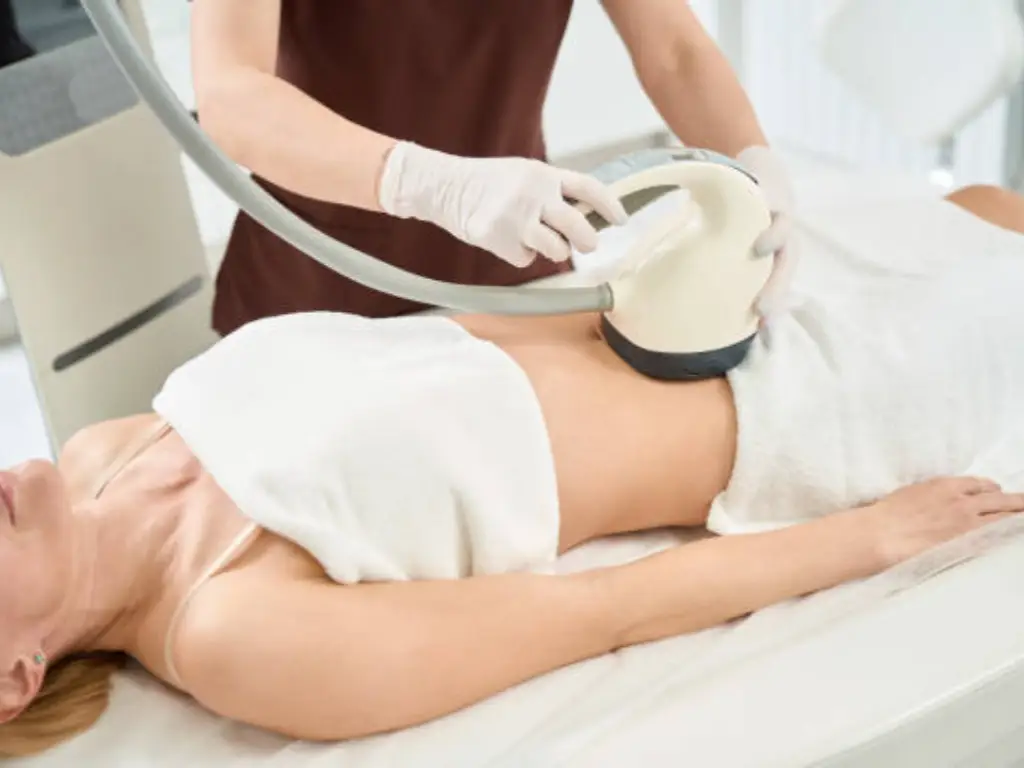
In order to make sure that your beauty salon will be functioning at its highest efficiency on the first day, you must check and make contacts with the following key platforms and strategic partners:
- SaaS Salon Management Software (For online booking, automated reminders, and client CRM profiles)
- Integrated POS & Payment Gateway (To allow various payment options and management of membership funds)
- Professional Beauty Equipment Manufacturer (To provide core technology platforms, technical training, and warranty support)
- Medical-Grade Skincare Suppliers (To provide in-cabin treatment consumables and retail product lines)
- Local SEO & Social Media Marketing Agency (To take care of Google Maps optimization and visual content lead generation)
- Digital Inventory Management Platform (To monitor back-bar consumable usage and automated restock alerts)
- Professional Liability and Business Insurance Provider (To cover malpractice, treatment risks, and property insurance)
- Legal/Compliance Consultants (To prepare client consent forms and employment contracts)
- Facility Maintenance and Medical Waste Disposal Services (To address plumbing/HVAC maintenance and bio-waste disposal that is compliant)
- Interior Design & Renovation Contractor (To execute brand visual identity and optimize spatial workflow)
Frequently Asked Questions (FAQ)
Q1: Can you suggest goals for a new beauty salon?
Target to break even in 6 months and a client re-booking rate of 30%. In the long run, target market growth or the introduction of high-ROI services such as laser hair removal.
Q2: How do I write a mission statement for my salon?
Concisely state your purpose, target audience and unique value. As an example: To deliver high-tech, results-oriented skincare that gives our clients the confidence to rely on us due to professional excellence.
Q3: What mistakes should I avoid in my business plan?
Do not underestimate the costs of startups and neglect the technological difference between you and the competitors. Make sure that your financial estimates have a minimum of 6 months of operating cash reserves.




 EN
EN  RU
RU  ES
ES  IT
IT  AR
AR  FR
FR  DE
DE  JA
JA  KO
KO  NL
NL