
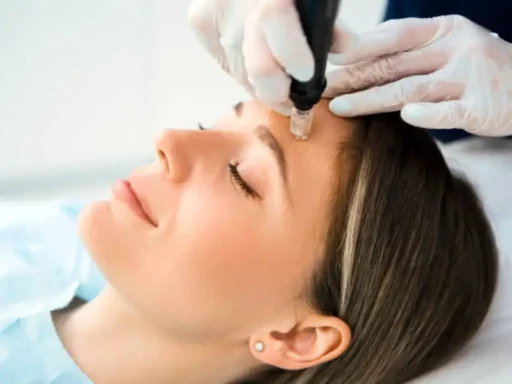
The new gold standard in the treatment of acne scars, fine lines, and texture issues is now microneedling or Collagen Induction Therapy (CIT) using fine needles, and we recommend a personalized approach to determine how often you should do microneedling. But the most common question, and that on which most mistakes are made, is: How often should I do microneedling?
The answer is not just a number. It is a ratio of injury and healing that is calculated to meet your skincare goals, ultimately reducing the appearance of scars.
Rule of Thumb by Expert:
- 0.25mm (Absorption): Every other day.
- 0.5mm (Light Anti-Aging): Every 2 weeks.
- 1.0mm – 1.5mm (Deep Scars/Collagen): Every 4-6 weeks.
- 2.0mm+ (Professional Only): Every 6-8 weeks.
The Golden Rule: You are not building collagen in the treatment; you are building collagen in the recovery. It is killing your results to break this cycle.
The Science: Why Your Skin Needs a 28-Day Break.
To truly understand how often microneedling yields the best results, we must first look at the biology. Without understanding what microneedling is all about, frequency is impossible to understand. It is a controlled trauma. Introduction of needles into the stratum corneum and dermis causes a biological emergency response, and mild redness may occur as part of this response. While you may be tempted to do microneedling more frequently for faster results, your skin needs adequate time—typically a 28-day break—to fully recover and regenerate and promote the generation of new collagen. Performing the procedure more often can disrupt the natural healing process and may actually hinder your progress or cause unwanted side effects.
This is not a direct response. The skin regeneration process, particularly the Type III and Type I collagen production, is highly regulated and has a very rigid time schedule, about 28 to 40 days (more so with age). Because this cycle can lengthen as we get older, some practitioners recommend waiting a bit longer between microneedling sessions for mature skin—aiming for intervals closer to 40 days versus the typical 28 days for younger individuals to achieve optimal results. Always consult with a skincare professional to tailor treatment frequency to your specific age and specific skin concerns and needs.
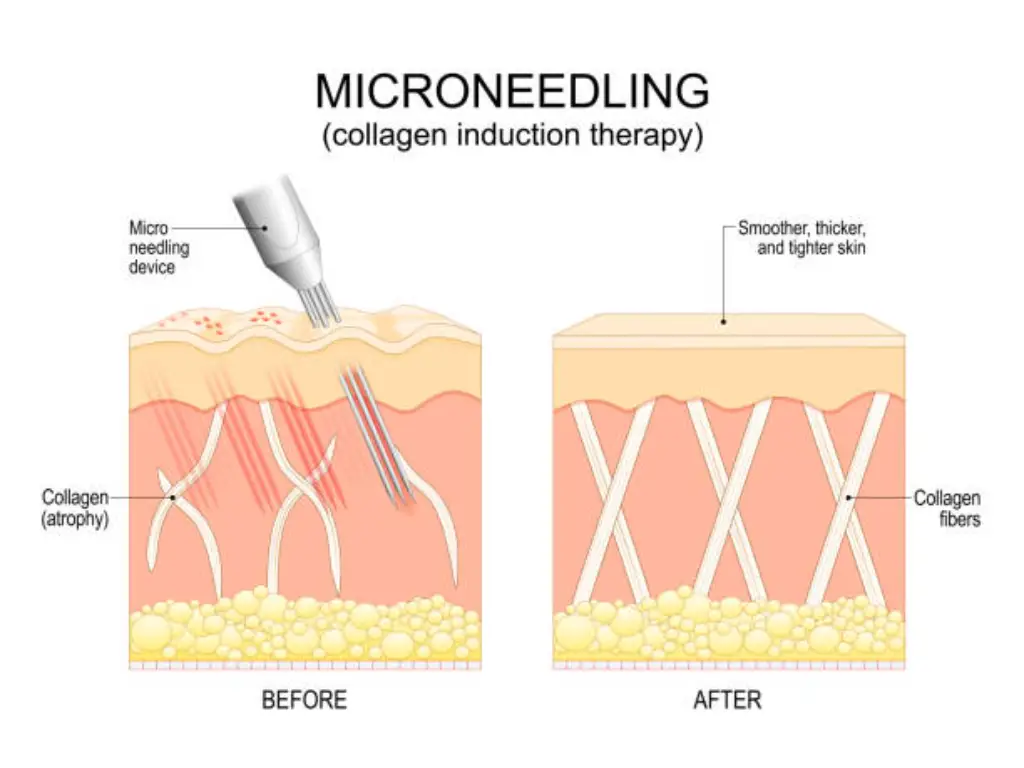
Successful results depend on respecting the skin’s natural three-phase wound healing cycle. If you microneedle too often alongside dermal fillers, you disrupt this delicate process and keep the skin trapped in the initial inflammatory stage. This prevents the tissue from ever progressing to the crucial ‘beautifying’ phases where real rejuvenation and achieving radiant skin through collagen remodeling actually occur.
- Inflammation (Day 1-3): The platelets and white blood cells rush to the place of injury. And that is why you are red and sensitive., often accompanied by early signs of aging.
- Proliferation (Day 3-14): The body starts to lay down new tissue. A temporary Type III collagen matrix is built and granulation tissue is developed.
- Remodeling (Day 14-Months): This is the magic stage. The temporary Type III collagen is converted to firmer, firmer Type I collagen.
Needling deep (1.0mm+) every two weeks is re-injuring the tissue that is still in the sensitive Proliferation stage. This interferes with the conversion of Type III collagen to Type I collagen leading to chronic inflammation rather than rejuvenation.
How Often Should You Get Microneedling? (Determining Factors)
Frequency is not universal. When determining microneedling how often, the schedule is based entirely on the intensity of the trauma and the area being treated, which also contributes to skin firmness. The major determinants of your schedule are as follows.
Needle Length (The Most Critical Factor):
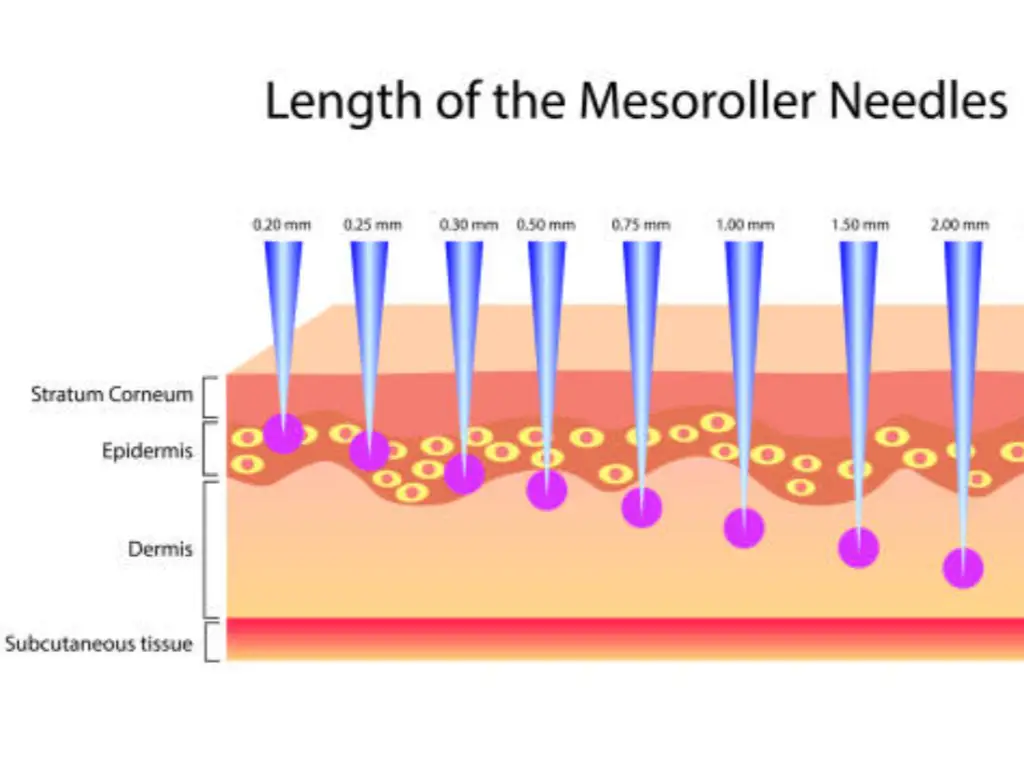
The depth of the needle determines the recovery time. The more penetrated, the more the break needed.
- 0.25mm – 0.3mm (Cosmetic/Absorption):
Frequency: 3 times a week or Every Other Day.
Goal: This depth does not result in a lot of collagen. It creates micro-channels to help serums (like Hyaluronic Acid) to penetrate deeper. In 24 hours, the skin barrier is closed.
- 0.5mm (Light Anti-Aging):
Frequency: Every 2 weeks.
Goal: Soft texture and fine lines. It is a dermo-epidermal junction but it does not cause deep trauma.
- 1.0mm – 1.5mm (Medical/Induction):
Frequency: Every 4 to 6 weeks.
Goal: This goes into the dermis to repair acne scars and deep wrinkles. There must be a full cellular turnover cycle (28 days) between sessions.
- 2.0mm – 2.5mm (Deep Scarring):
Frequency: Every 6 to 8 weeks.
Goal: Deep rolling or boxcar scars. This brings about a lot of structural damage that is time consuming to remodel.
Body Area (Face vs. Body vs. Scalp)
The skin is not equally thick or the blood flow is equally distributed across the body and this influences the healing rate.
- Face: Good blood circulation, heals quite fast. Apply the normal 4-6 week deep treatment rule.
- Body (Stretch Marks/Scars): The skin on the stomach, legs and thighs takes longer to heal than the face since it is less vascular.
Recommended Frequency:Every 6–8 weeks.
- Scalp (Hair Growth): This is a special category. Research has shown that microneedling of hair loss is effective in the stimulation of stem cells and product uptake like Minoxidil.
Recommended Frequency: Once a week or once every two weeks (usually at less depths of 0.6mm-1.0mm).
Skin Concern (What are you treating?)
- General Glow/Texture: It is better to have frequent and superficial treatments (0.5mm every 2-3 weeks) so that the epidermis keeps shedding fresh cells.
- Deep Acne Scars (Ice pick/Boxcar): This one requires deep penetration (1.5mm+). It should be done infrequently (once in 6 weeks) to allow the structural collagen to raise the scar floor.
Skin Tone (Fitzpatrick Scale)
Even though microneedling is generally safe in all skin tones (unlike lasers), darker skin types (Fitzpatrick IV-VI) are prone to Post-Inflammatory Hyperpigmentation (PIH).
- Darker Skin: Space treatments are to be separated by more time (e.g. 5-6 weeks instead of 4) to make sure that all inflammation has disappeared before re-stimulating the skin.
Home vs. Professional Treatments
- At-Home (Derma Rollers): The pressure applied by the users is not necessarily regular. Home users are usually advised to treat after every 2-3 weeks and use 0.5mm as a precaution.
- Medical-Grade (In-Clinic): Medical practitioners use high-powered devices that offer vertical insertions. The injury is more accurate and clean, and thus professionals can safely proceed deeper. The intersession time is however strictly followed since they are more in-depth.
Risks of Microneedling Excessively: Signs of Overuse.
More is not better. Dermatologists are also witnessing a phenomenon called over-microneedling, which is usually brought about by the users of the device who are attempting to get quicker outcomes.
- The “Orange Peel” Effect
This is the most common symptom of frequency abuse. In case you do not allow the skin to undergo the process of Remodeling, the collagen fibers will be organized into a disorganized fibrotic structure rather than a smooth lattice.
- Symptoms: The skin is rough, the pores are swollen (orange peel), and the skin is plastic or hard.
- Cause: Chronic low-grade inflammation destroys normal elastin.
- When to Postpone Your Next Session
You should not proceed even after your 4 weeks are completed in case you notice the following:
- Active Acne: Do not needle active cysts or whiteheads. You will spread bacteria (P. acnes) all over the face.
- Prolonged Erythema: The inflammation is not resolved when your skin remains pink following the last session.
- Sunburn: Permanent hyperpigmentation may be caused by needling sun-damaged skin.
- Sensitized Barrier: Your moisturizer burns when applied, this indicates that your barrier is broken. Wait until it heals.
Aftercare and Healing Timeline: What Happens between Sessions.
In order to alleviate the stress of waiting too long, it is nice to understand what exactly your skin is up to during those rest weeks. The biological degradation of the recovery period is as follows.
| Phase | Timeframe | What is happening biologically? | Recommended Care |
| Inflammatory | Day 1 – 3 | Your immune system releases growth factors. Skin is red, hot, and perhaps slightly swollen. Channels are closing. | Do: Use Hyaluronic Acid, tepid water. Don’t: No makeup, no sweating, no active acids (AHA/BHA). |
| Proliferation | Day 3 – 5 | Skin cells (keratinocytes) are reproducing. You may experience peeling or flaking. This is dead skin shedding. | Do: Keep skin hydrated. Use ceramides. Don’t: Do not pick the flakes! No exfoliation scrubs. |
| Early Remodeling | Week 2 | Type III collagen is forming. Redness is gone, skin looks “plump” but the structure is still fragile. | Do: Reintroduce Retinol (Vitamin A) slowly to boost collagen synthesis. |
| Maturation | Week 4 – 6 | Type III collagen converts to tough Type I collagen. The skin tightens and scars lift. | Action: This is the earliest point you can consider the next session. |
The Impact of the Devices Choice on the Results and Frequency.
Not only your skin, but the quality of the injury, is important for how often you treat it. The number of sessions for treatment can vary based on these factors. A sharp, precise needle insertion will heal faster than a jagged, tearing motion. In this case, the schedule is dependent on the quality of equipment.
The Ruling of the Equipment: Desktop Machines vs. Handheld Pens.
The machine stability is the most crucial in the case of professional clinics and spas.
- Handheld Pens: Most home users and entry-level estheticians use battery-operated pens. The motor speed can change with the depletion of the battery, which can lead to micro-tearing or drag on the skin. This increases trauma and increases the time between sessions.
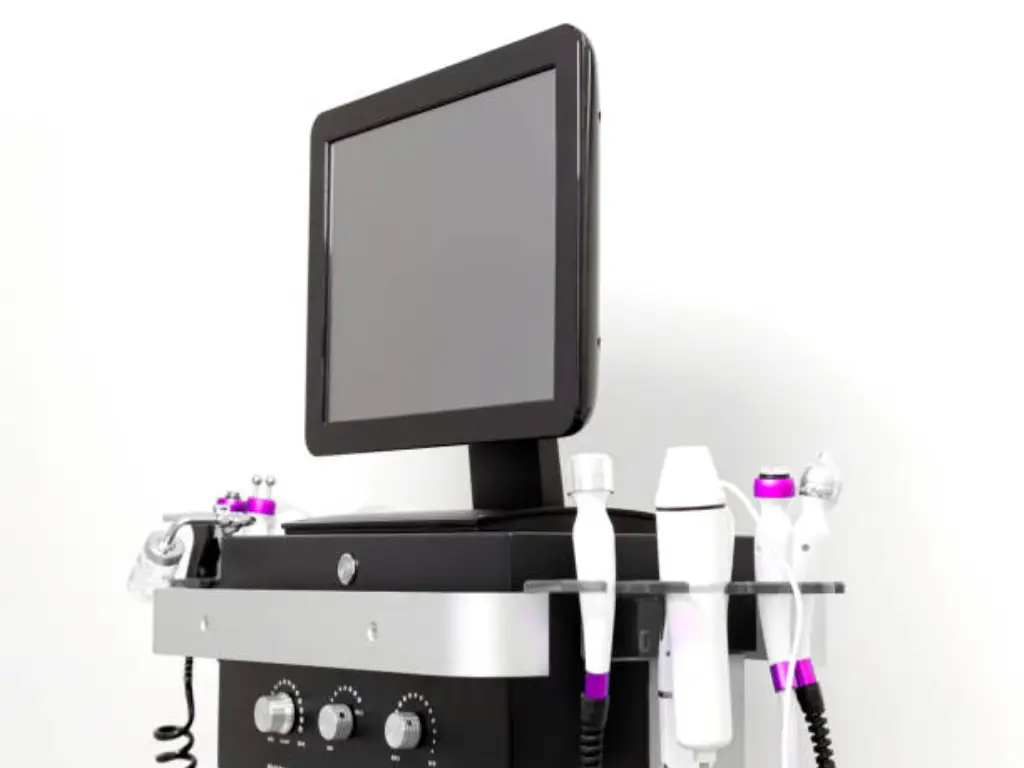
- Professional Desktop Machines: Desktop machines are applied in high-end clinics. These are directly connected with constant power sources, which causes the motor to maintain a constant RPM (Revolutions Per Minute) regardless of the skin resistance.
Choose the Right Method: Microneedling vs. Gold Microneedling.
Microneedling has evolved significantly, transitioning from simple mechanical needling to Radio Frequency (RF) Microneedling, popularly known as Gold Microneedling. This technology fundamentally changes the conversation around treatment frequency and patient recovery.
| Feature | Traditional Microneedling | Gold RF Microneedling (Konmison) |
| Mechanism | Mechanical physical trauma only. | Physical trauma + RF Heat Energy. |
| Surface Damage | High. Often causes bleeding and pinpoint scabbing. | Low. Needles are insulated; energy is only released at the tip (dermis). |
| Recovery Time | 5–7 days of visible redness/peeling. | 1–3 days. The heat coagulates blood, reducing bleeding and speeding up surface healing. |
| Frequency | Strictly every 4–6 weeks. | Can be done every 4 weeks with less “social downtime.” |
| Best For | Texture, superficial scars. | The biological collagen cycle takes 28 days; however, the social recovery is faster when the Gold RF Microneedling is used. The RF energy clots the blood instantly hence patients do not leave the clinic with bloody faces, regardless of their skin condition. |
The motives behind the Clinics upgrading to Gold RF are as follows:
The biological collagen cycle takes 28 days; however, the social recovery is faster when the Gold RF Microneedling is used. The RF energy clots the blood instantly hence patients do not leave the clinic with bloody faces.
To meet the demands of these clinical practices, Konmison manufactures Desktop Gold Microneedling Machines designed for high-volume use. We use Taiwan Chi Mei ABS and Covestro PC materials to make our units, unlike the cheap plastic housings which are not structurally stable. We also use 303 Food-Grade Stainless Steel internally on key structural components.
Combined with industrial grade Devon displays and ISO 13485 compliant manufacturing, this structural consistency ensures that every insertion of the needle is surgically precise, reducing the amount of epidermal trauma that is not necessary. This reliability allows the practitioners to offer aggressive anti-aging treatments that are comfortable for the clients, allowing a steady 4-week client turnaround time. Clients are happy to revisit the treatments every month, ensuring high client retention and superior outcomes compared to the traditional rollers.
Microneedling FAQs
- How long until I see results?
Even though you may feel a glow after one week due to swelling and hydration, it takes time to see actual structural changes (scar reduction).
- Timeline: The observable changes are likely to be noticed after the 3rd or 4th session.
- Patience: It may take up to 6 months before collagen remodeling occurs after your last treatment.
- What to do before and after treatment?
- Before: Stop Retinoids, Vitamin C, and Acids 3-5 days prior. Arrive with a clean face.
- After: In the initial 24 hours, hyaluronic acid and tepid water should be applied. Strictly avoid the sun. Apply a broad-spectrum SPF 50+ daily when the channels are closed (Day 2).
- How long do the results last?
- Acne Scars: The results are normally permanent. Once the scar tissue is broken down and replaced with collagen, it does not regress.
- Anti-Aging: The effects are long term but not permanent as we continue to age. Maintenance sessions are recommended after the initial series 2-3 times a year.
- Who Should Not Microneedle?
It is not universal, though it is versatile. Avoid if you have:
- Herpes Simplex or acne vulgaris.
- History of Keloid scarring.
- Face eczema or Psoriasis.
- Pregnant or breastfeeding women (due to hormonal sensitivity).
- Patients on Accutane (Isotretinoin) or have discontinued within 6 months.
- Why Do Body Parts Need More Rest?
You have a very vascular face–you have so many blood vessels in it, and they bring oxygen and nourishment to make a wound healed in a short time. The body skin (neck, chest, legs) has fewer blood vessels and slower turnover of the cells. Therefore, the stretch marks on the stomach will require a longer period (6-8 weeks) to be treated without scarring and hyperpigmentation, especially when targeting the deeper layers of the skin.
Are you in the beauty business and desire to enhance the operations of your clinic?
To achieve the best results, you need to have the equipment that is accurate and safe. Learn about the Konmison line of [Gold RF Microneedling Machines].




 EN
EN  RU
RU  ES
ES  IT
IT  AR
AR  FR
FR  DE
DE  JA
JA  KO
KO  NL
NL