
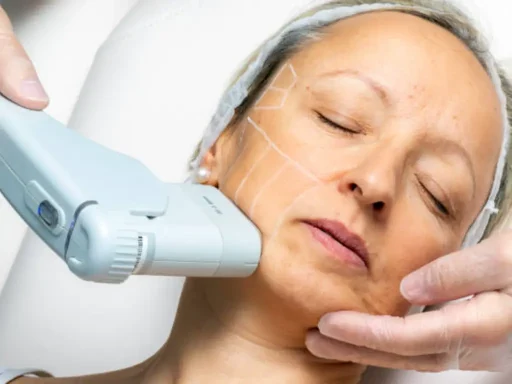
Skin rejuvenation has become more than mere surface wrinkle removal in the medical aesthetics of the 21st century; now it is a full-layer anti-aging solution. As regenerative medicine and physical energy technologies have become deeply intertwined, beauty seekers no longer seek short-term visual enhancement; they seek structural elevation and long-term skin texture restructuring.
In that regard, Ultherapy and radio frequency microneedling have become the two most talked about and most commonly used pillar technologies for those with specific skin concerns. They are usually put in a competitive perspective, but in the view of medical engineering and anatomy, they are two extremes of acoustic wave focusing and electromagnetic conduction. This paper will continue to the physical logic behind it to unveil the distinctions between these two technologies and examine how they work together to create the current anti-aging regimens.
Decoding Science: Micro-Focused Ultrasound vs. Radiofrequency Energy
In order to fully appreciate the distinction between these two technologies, it is first necessary to go back to the nature of physical energy: how is energy transformed in the tissue, and how does it specifically affect collagen stimulation?
Ultherapy: The Precision Beam of Micro-Focused Ultrasound (HIFU)
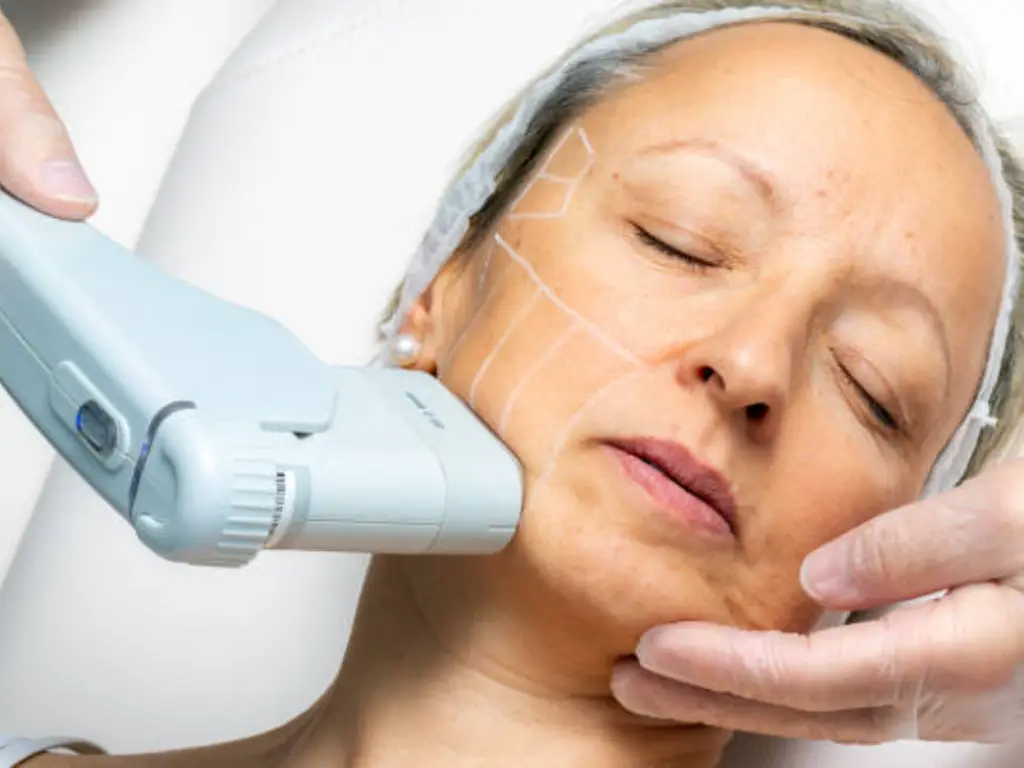
Ultherapy is based on the ultrasound technology of Micro-Focused Ultrasound (MFU). Its concept is comparable to the one of a magnifying glass to focus ultrasound energy to light a match.
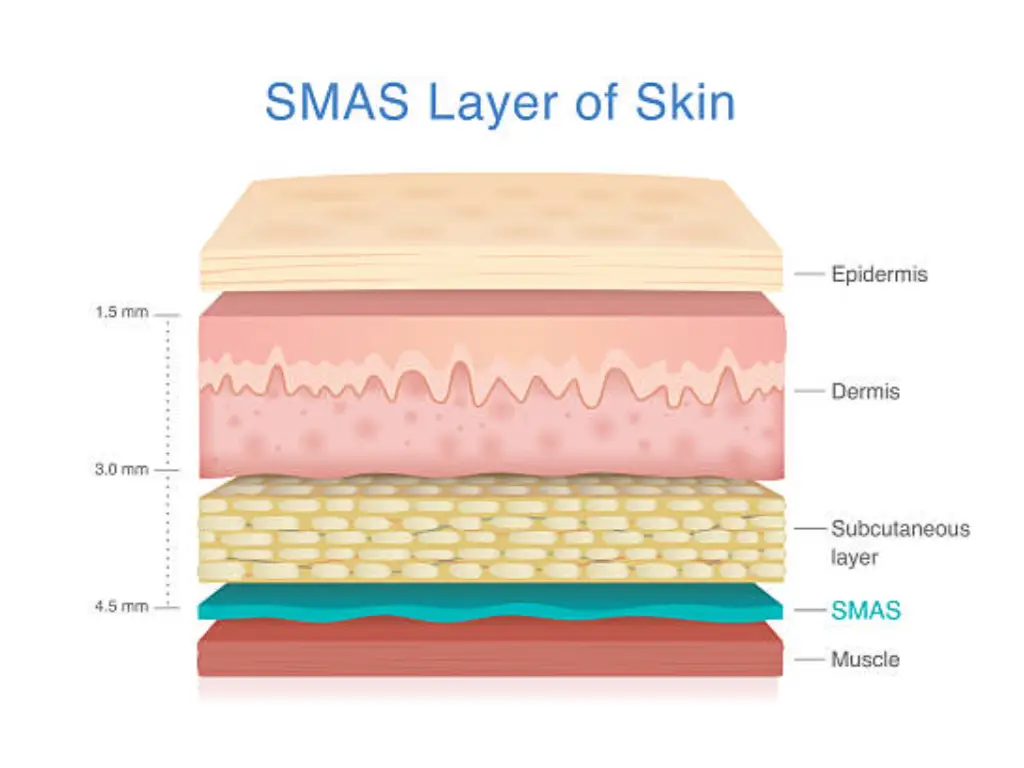
- Physical Waveguide: The device uses piezoelectric ceramic transducers to create ultrasonic waves, which are very focused ultrasound energy at certain skin layers beneath the skin (typical treatment tip depths are 1.5mm, 3.0mm, or 4.5mm) using special geometric lenses.
- Thermal Coagulation Points (TCPs): When ultrasound technology converges at the focal point, intense vibration and friction between molecules generate instantaneous high temperatures. Numerous Thermal Coagulation Points (TCPs) are formed under the skin.
- Temperature Control and Collagen Denaturation: Ultherapy maintains the local temperature at the focal point at 60-70°C. This is the optimal temperature at which production of collagen is induced through denaturation. As the old, loose skin fibers contract, it triggers the body’s natural healing process, and the formation of new collagen and remodeling takes 3 to 6 months.
- Epidermal Barrier Protection: Since the energy is concentrated in a skipping fashion, the energy density at the skin’s surface is very low. Thus, the epidermal integrity is achieved in the deeper skin layers.
RF Microneedling: The Tissue Resistance of Radiofrequency Current
RF Microneedling is an organic combination of physical mechanical micro-trauma and Radiofrequency (RF) electromagnetic waves.
- Electronic Oscillation Heat Generation: Radiofrequency is a high-frequency electromagnetic wave (typically with a frequency between 1MHz and 2MHz). As RF current is conducted through skin tissue, polar molecules in the tissue (primarily water molecules) rotate and rub at high rates in accordance with the polarity variations of the electromagnetic field.
- Impedance Principle: Skin tissue is electrically resistant. The Law of Joule states that the heat energy is produced when current is passed through a resistor. RF Microneedling involves the release of radiofrequency energy into the deep dermis by direct penetration of the skin barrier with a microneedle array (typically of gold-plated needles).
- Thermal Field Distribution: Unlike the point-like focusing of Ultherapy, RF Microneedling generates a cylindrical or spherical thermal effect zone around the needle tip. Its treatment temperature is usually controlled between 55-65°C.
- Dual Stimulation Mechanism: Besides the thermal effect of radiofrequency, the micro-trauma of platelet release of growth factors by the microneedle penetration itself induces epidermal cell renewal. This process has special benefits in the treatment of scars and pores.
Structural Anatomy: Targeting the SMAS Layer vs. Deep Dermis
The effectiveness of anti-aging ultimately depends on the “anatomical depth” reached by the energy.
Ultherapy: Challenging the Depth of Surgical Facelifts (SMAS Layer)
Prior to the introduction of Ultherapy, plastic surgeons had the monopoly of treating the SMAS (Superficial Muscular Aponeurotic System) layer. The SMAS layer is the layer between the subcutaneous fat and muscle, which is made up of connective tissue and elastic fibers; it is the basis of the facial contour.
- The 4.5mm Watershed: Ultherapy works at a depth of 4.5mm to reach deeper facial layers. The SMAS layer is centripetally contracted by forming thermal coagulation points in the fascia layer, which causes a considerable tightening effect and vertical lifting. This upward force takes care of the general downward movement of tissue in the lower face due to gravity.
RF Microneedling: Densification of the Dermal Fiber Network
The treatment depth of RF Microneedling is usually dynamically adjustable between 0.5mm and 3.5mm. Its “main battlefield” is the dermis.
- Mid-to-Shallow Layer Reconstruction: As age increases, the collagen fiber network in the dermis becomes loose and porous. RF Microneedling “re-densifies” the collagen fiber network through large-area heating. It addresses skin surface laxity and loss of elasticity rather than structural drooping.
Clinical Efficacy: Lifting Gravity vs. Refining Texture and Scars
Addressing Gravity: The “Lifting” Performance of Ultherapy
Ultherapy is clinically better suited for “fleshy faces” or obvious drooping issues:
- Jowl Lifting: For blurred chin contours, it re-outlines the jawline by tightening the deep fascia.
- Eye Area Lifting: Improves the sensation of heaviness caused by upper eyelid laxity by lifting the tissue at the forehead and brow arch.
- Double Chin Improvement: Tightens the supporting tissue surrounding the submental fat pad.
Addressing Texture: The “Skin Quality” Performance of RF Microneedling
The indications for RF Microneedling are more diverse, especially in handling surface irregularities:
- Pores and Fine Lines: Excellent smoothing effects on static fine lines around the mouth and eyes.
- Acne Scars (Ice Pick/Boxcar Scars): The combination of physical penetration and RF thermal energy effectively breaks down scar adhesions and induces collagen filling in depressions.
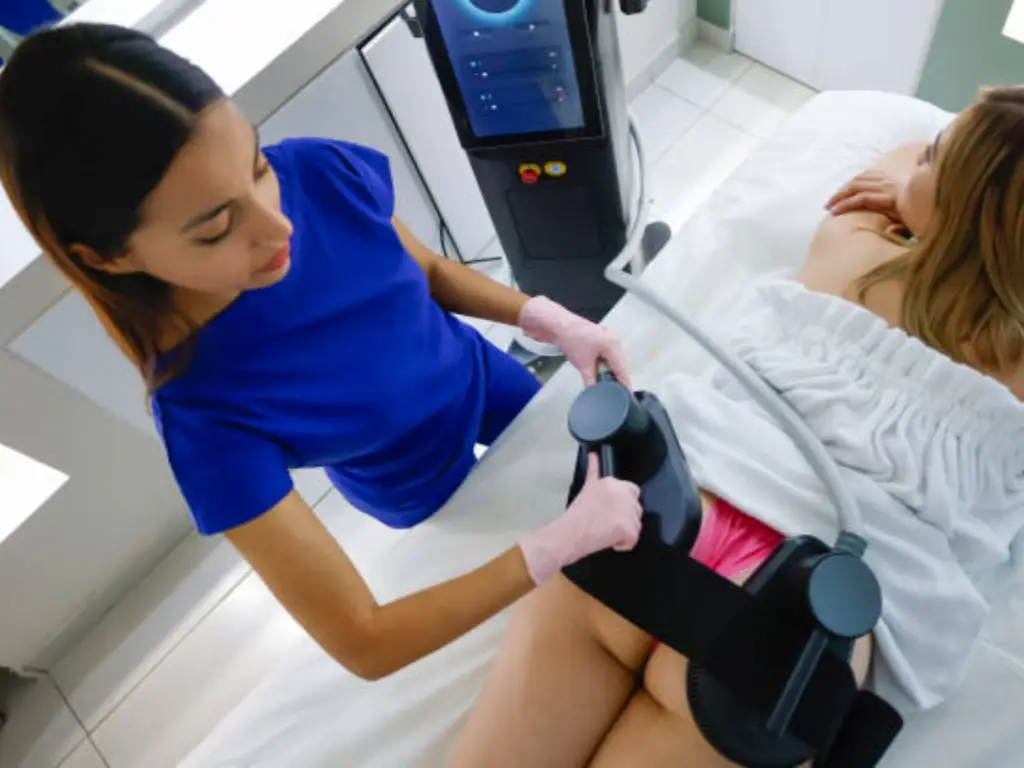
- Texture Repair: Shows significant efficacy in treating stretch marks, obesity marks, and other bodily skin laxity.
| Feature | Ultherapy (HIFU) | RF Microneedling (Radiofrequency) |
| Primary Technology | Micro-Focused Ultrasound (MFU) | Fractional Radiofrequency + Microwounds |
| Energy Delivery | Non-invasive acoustic waves | Minimally invasive needles + RF current |
| Maximum Depth | 4.5mm (Reaches the SMAS layer) | 3.5mm (Targets the Deep Dermis) |
| Treatment Goal | Lifting (Structural support) | Tightening (Texture and elasticity) |
| Operating Temperature | 60°C – 70°C (Optimal for denaturation) | 55°C – 65°C (Optimal for remodeling) |
| Skin Surface Impact | Zero (Epidermis remains intact) | Micro-channels (Temporary redness/crusting) |
| Pain Profile | Deep, aching, or “electric” sensation | Superficial stinging (Well-managed with numbing) |
| Downtime | None (Socially ready immediately) | 24 – 48 hours of redness; 3-5 days of micro-crusts |
| Best For… | Jowls, sagging neck, brow lifting | Acne scars, large pores, fine lines, crepiness |
| Frequency | Once every 12 – 18 months | A course of 3 – 5 sessions (4 weeks apart) |
| Manufacturer Value | Precision Transducers (HIFU Heart) | Smooth Motor Drive & Insulated Needles |
Patient Experience: Pain Thresholds, Downtime, and Healing Cycles
Pain Management: The Gamble of Physical Depth
- Ultherapy: Because it acts on deep layers, the heat often reaches nerve receptors near the periosteum. Pain is expressed as “deep soreness” or an “electric shock sensation.” Even with topical anesthesia, the deep physical sensation remains strong.
- RF Microneedling: Pain comes from the needle prick and instantaneous heat. Since it is an epidermal penetration, topical anesthesia can block most of the pain, and patient compliance is usually high.
Recovery Time (Downtime) Comparison
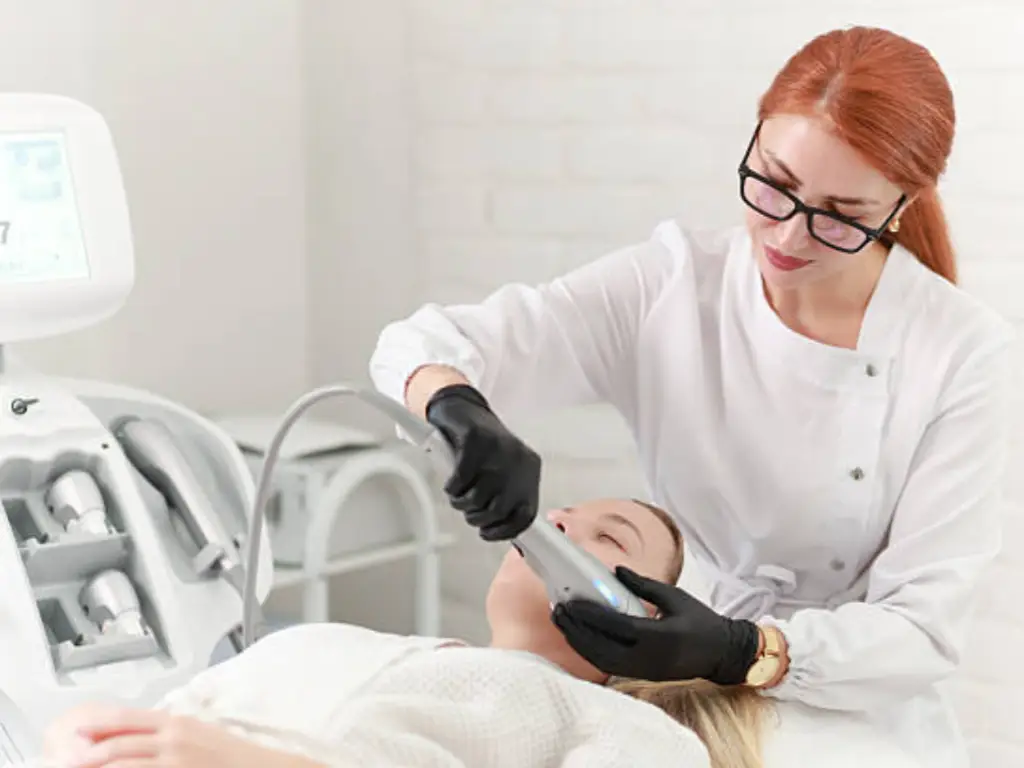
- Ultherapy: A truly non-invasive technology; makeup can be applied immediately after the procedure, making it very suitable for business professionals.
- RF Microneedling: There will be a period of redness and micro-crusting for 24-48 hours post-procedure. Strict post-op repair (such as medical masks) and sun protection are required to ensure rapid reconstruction of the skin barrier.
Safety Protocols: Managing Fat Volume Loss and PIH Risks
Safety is the bottom line of professional institutions in the field of non-invasive anti-aging. Even though both Ultherapy and RF Microneedling are considered mature and safe technologies, the misuse of the technology or unstable work of the devices may cause severe side effects.
Avoiding Fat Atrophy Caused by Ultherapy
Facial hollowing is one of the most debatable risks of Ultherapy. This normally happens in places where there is thin subcutaneous fat (like temples or cheek depressions).
- Root Cause Analysis: When focal energy is too high, the dwell time too long, or the depth selection is inappropriate, thermal coagulation points as high as 60-70°C can cause local fat cell denaturation or even necrosis. If energy is mistakenly delivered to the fat pad instead of the fascia layer, a visible loss of tissue volume will occur.
- Mitigation Strategy: The real-time imaging system of the device should be monitored by professional physicians. In patients with thin faces or prominent bone structure, the energy density must be planned out, or the emphasis must be made on the areas that have thicker tissue, like the jawline.
Preventing Post-Inflammatory Hyperpigmentation (PIH) After RF Microneedling
In Fitzpatrick IV-VI (darker skin) groups, any type of penetrative thermal injury is associated with the risk of causing Post-Inflammatory Hyperpigmentation (PIH).
- Importance of Needle Insulation Technology: RF Microneedling devices of the highest quality manufactured tend to use Insulated Needles. These needles emit RF energy exclusively at the tip, with the shaft of the needle being insulated with a coating. This will guarantee that the deep dermis is the only area exposed to high heat and the epidermis is not damaged by thermal conduction and the chances of PIH are greatly reduced.
- Impedance Self-Adaptation: The high-quality equipment is able to measure the skin impedance in real-time and dynamically adjust the RF pulse width, avoiding the unwanted buildup of energy in the epidermal layer.
Longevity and ROI: Maintenance Frequency and Longitudinal Results
From the perspectives of business operation and patient decision-making, equipment efficiency directly relates to the clinic’s Return on Investment (ROI) and the Customer Lifetime Value (LTV).
Ultherapy: High Unit Price and the “Annual Anti-Aging” Benchmark
- Effect Longevity: Usually 12-18 months. Because it alters the deep structural support under the skin, although the effect appears slowly (usually peaking 3-6 months post-procedure), it is extremely stable.
- Business Logic: Belongs to the “high-ticket project” category. Although the cost of consumables (transducers) is high, the single-treatment fee is expensive, making it suitable as a core traffic-generating project for annual anti-aging in aesthetic institutions. Its strong brand authority attracts high-net-worth clients seeking ultimate lifting results.
RF Microneedling: High Repurchase and the “All-Around Repair” Foundation
- Effect Longevity: After a complete course (usually 3 sessions), results can last 6-12 months.
- Business Logic: Belongs to the “high-frequency maintenance project” category. The cost of consumables for RF Microneedling (disposable sterile needles) is relatively controllable. Because it can simultaneously solve multiple problems like pores, acne scars, fine lines, and tightening, it has an extremely broad target audience, bringing stable cash flow and a high repurchase rate to the clinic.
Synergy: The Scientific Basis for Combining Both Modalities
The anti-aging trend for 2026 has shifted from single-device competition to a “Multi-layered Approach.” Combining Ultherapy with RF Microneedling is recognized as the closed-loop solution for a “non-surgical facelift.”
The Architectural Logic of “Steel Rebar” and “Cement”
- Ultherapy handles “Lifting the Structure”: Acting on the 4.5mm SMAS fascia layer, it is like tightening the steel rebar skeleton of a building to solve the sagging of the overall tissue.
- RF Microneedling handles “Densifying the Texture”: Acting on the 1.5mm – 3.0mm dermis, it is like pouring high-quality cement to increase skin thickness and elasticity, repairing texture gaps on the surface.
Clinically Recommended Combined Protocol
Professional guidelines typically recommend a deep Ultherapy treatment to be done initially to create the large frame lift of the face; then after 4-8 weeks to permit initial deep collagen regeneration, the RF Microneedling course is initiated to fine-tune. This one deep and one shallow, one pull and one tighten combination is the full-layer anti-aging.
Setting Manufacturing Excellence: Why Professionals Choose Konmison
In the medical aesthetics world, equipment stability is the key to clinical success. Konmison has become one of the leading manufacturers in the world since 2013, providing effective solutions through a strict ISO 13485 quality system. Our devices are subjected to high-precision vibration testing to guarantee they comply with CE, FDA, and RoHS standards.
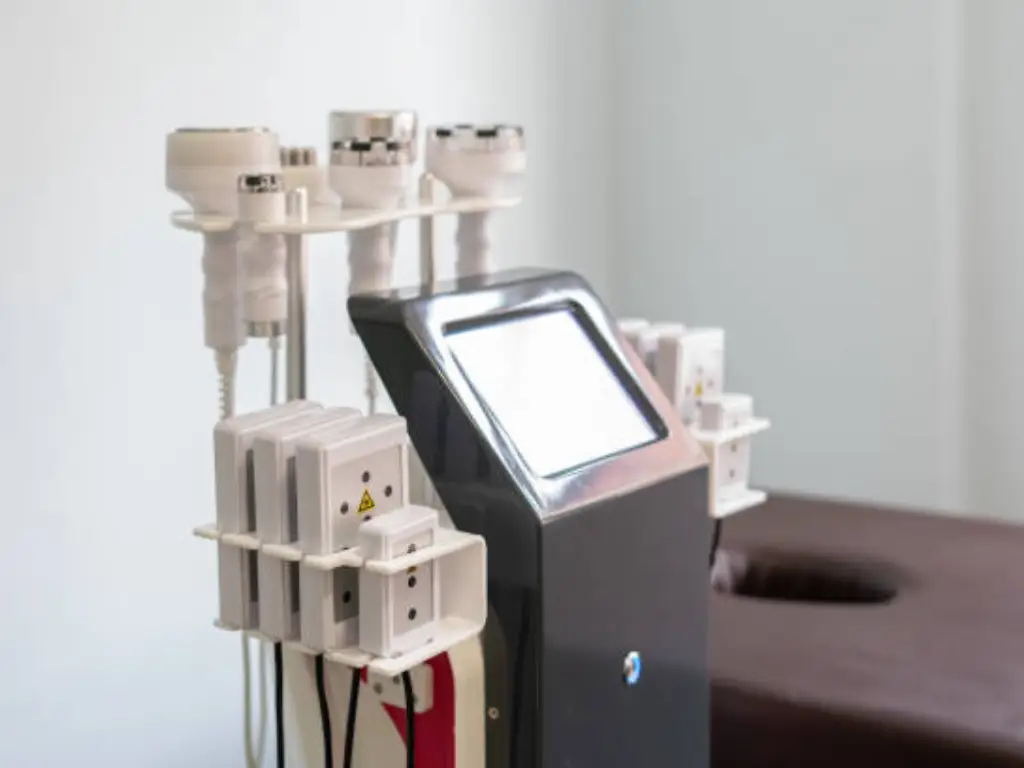
The difference with Konmison is our focus on technical accuracy. With self-designed circuitry and industrial-grade displays, we guarantee smooth energy waveforms that avoid the sharp pain of energy spikes. Our materials, such as 303 food-grade stainless steel, are durable and hypoallergenic. Moreover, our RF systems have smart impedance control to maintain treatments in a safe, effective range for overall skin rejuvenation.
As an expert in OEM/ODM services, we provide full customization for a tailored treatment plan with a fast lead time. Konmison offers the high-performance hardware that aesthetic professionals require to achieve their optimal results and maximum ROI.
Conclusion: The Essence of Choosing Technology is Choosing the Manufacturing Standard Behind It
Whether you lean towards the deep remodeling of Ultherapy or the all-around repair of RF Microneedling, the core lies in the precision and safety of energy delivery. On the journey of non-invasive anti-aging, reliable hardware is the foundation upon which the practitioner’s skill is perfectly presented.
Choosing Konmison means choosing to walk with global leading manufacturing standards, opening a journey of scientific transformation from the inside out for your clients.
FAQ Full Coverage: Everything You Need to Know About Ultherapy and RF Microneedling
- Can Ultherapy and RF Microneedling be performed in the same session?
Although technically feasible, most clinical guidelines propose a separation of 4 to 8 weeks between them. Ultherapy forms deep thermal coagulation foci, and the skin requires time to trigger the healing process before adding the micro-trauma and extra heat of RF Microneedling.
- Which treatment is better for “double chin” reduction?
Ultherapy tends to be better with submental (under-chin) laxity. It gives the structural lift required to shape the jawline by attacking the 4.5mm SMAS layer. Nevertheless, RF Microneedling can be an excellent secondary treatment in case the problem is skin crepiness in that area.
- Will Ultherapy make my face look gaunt or hollow?
This can only happen when the energy is applied too deep or too high in places where there is little fat like in the sunken parts of the cheeks. This can be prevented by professional practitioners using high quality devices with real time monitoring bypassing fat pads and targeting the fibrous fascia.
- How many sessions of RF Microneedling do I need to see results?
A majority of patients need a course of 3 to 5 sessions, separated by a period of 4 weeks. Although certain improvement in texture can be observed after the first session, the complete effect of collagen remodeling is achieved after the third treatment.
- At what age should I start these treatments?
No age is perfect, but the majority of candidates begin in their late 30s or early 40s when collagen production slows down considerably. It is more convenient to preserve existing collagen than to restore a major loss of structural support.
- Is the “gold” in RF Microneedling just a marketing gimmick?
No, the gold plating on the needles is functional. Gold is very biocompatible and a good conductor of electricity and this makes the radiofrequency energy to be delivered efficiently and with minimum irritation or allergic reaction to the skin.
- Can I do these treatments if I have Botox or dermal fillers?
Yes, but timing is crucial. At least 2 to 4 weeks are usually advised to pass between fillers and a heat-based procedure such as Ultherapy or RF Microneedling because the heat may hasten the breakdown of certain hyaluronic acid fillers.
- What is the “downtime” for RF Microneedling?
Expect 24 to 48 hours of mild redness, similar to a moderate sunburn. You may also see tiny “grid marks” or micro-crusts for 3 to 7 days, which can easily be covered with makeup after the first 24 hours.
- Does Ultherapy hurt more than RF Microneedling?
Generally, yes. Ultherapy reaches deeper layers near the bone and nerves, causing a deeper “aching” sensation. RF Microneedling pain is more superficial and is typically well-managed with a high-quality topical numbing cream.
- How long do I have to wait to see the final results?
For both treatments, patience is key. While RF Microneedling shows texture improvement in weeks, the full lifting and tightening results for both modalities take 3 to 6 months to fully manifest as new collagen matures.
- Can RF Microneedling help with active acne?
Yes. The radiofrequency heat may be used to shrink sebaceous glands and decrease the production of oil, and the thermal energy has a low antibacterial effect. It must however be avoided in case of a severe and widespread cystic infection.
- Are the results of Ultherapy permanent?
Although the new collagen that is generated is your own and permanent, your skin will still age naturally. The majority of the patients choose a maintenance therapy every 12-18 months to keep up with the natural aging process.
- Is there any risk of scarring?
The chances of scarring are very minimal with professional grade equipment. RF Microneedling has a high level of depth control to avoid irregular tearing, and Ultherapy is entirely non-invasive.
- What should I avoid before my treatment?
Avoid blood thinners (like aspirin or fish oil), retinoids, and excessive sun exposure for at least 3 to 5 days prior to treatment to minimize bruising and sensitivity.
- Can these treatments be used on the body?
Absolutely. RF Microneedling is highly effective for stretch marks on the abdomen or thighs, while Ultherapy can be used to tighten skin on the chest (décolletage) or above the knees.
- Why is device quality so important for these treatments?
Poor quality machines tend to have unstable energy supply. This can be that the heat may not be concentrated at the appropriate depth in Ultherapy. Poor needle motor control in RF Microneedling may result in skin dragging, which results in unwarranted trauma and prolonged recovery.
- How do I know if I am a better candidate for Ultherapy?
Ultherapy is probably your best choice in case you are more concerned with sagging, jowls, or a heavy brow. RF Microneedling is typically the first choice in case of your concern is pores, acnes scars, fine lines, and overall skin laxity.
- Can I get RF Microneedling if I have a dark skin tone?
Yes, provided the device uses insulated needles. Insulated needles protect the epidermis from heat, which is the primary trigger for Post-Inflammatory Hyperpigmentation (PIH) in darker skin types.
- What is aftercare for Ultherapy?
Ultherapy requires almost no specific aftercare. You can return to your normal skincare routine immediately, though we always recommend a high-quality SPF to protect your new collagen.


 EN
EN  RU
RU  ES
ES  IT
IT  AR
AR  FR
FR  DE
DE  JA
JA  KO
KO  NL
NL