

Brazilian laser hair removal has emerged as one of the most popular permanent hair removal treatment procedures in the world for getting rid of unwanted hair. It provides a permanent solution that liberates individuals of conventional shaving and waxing, which often lead to ingrown hairs. This paper gives a detailed discussion of laser hair removal in Brazil, including the definition, principles of operation, and the choice of professional equipment. We aim to offer a definitive and detailed guide to assist you in making a sound decision on your hair removal method and hair removal journey.
Brazilian Laser: Defining the Coverage

Brazilian waxing began in the 1990s in a New York salon by Brazilian sisters. It initially referred to the removal of the majority or all pubic body hair with the help of wax. In the case of laser hair removal, Brazilian Laser Hair Removal typically refers to the removal of almost all pubic hair, labia/scrotum hair, and perianal hair. But it does not shave off a landing strip of hair (or triangle or oval) on the pubis to preserve privacy or personal style.
- Difference from Hollywood: Hollywood style depilitates the entire pubic region leaving it entirely smooth skin. Brazilian style retains the little patch of hair that the user leaves.
- Difference from Standard Bikini Line: Laser hair removal for bikini area only removes hair that is visible on the outside of the swimwear. Laser hair removal bikini and laser bikini hair removal styles remove hair way beyond this region.
Laser Hair Removal for Men: Private Areas
Historically, the term Brazilian was applied to women. However, there is a high-value, fast-growing market in mens private area laser hair treatment, also known as Manzilian or full male private area laser.
- Definition and Scope: Male private area laser hair removal (Manzilian) is applied to remove pubic area, scrotum, and perianal area hair. Just like the female counterpart, men can choose to have some hair on the pubis or not.
- Male Needs: This is a trendy method of hygiene, reduced friction (especially in athletes) and improved appearance in men, with the goal of smoother skin.
- Experience Difference: Due to the fact that male hair is usually thicker and rougher, and the sensitive parts of the skin in the private area are sensitive, the treatment may require more energy levels or stronger cooling. This may result in a somewhat different experience. More specific device settings can also be needed with deeper root systems.
How Laser Hair Removal Works
Laser hair removal is not magic. It is a precise science based on Selective Photothermolysis (SPT).
- Core Mechanism: The laser device emits a focused beam of light of a certain wavelength. This light energy is selectively absorbed by melanin (pigment) in the hair. The laser hair removal targets the pigment effectively.
- Energy Conversion: The melanin absorbs the light and converts the light energy into heat. This heat is conducted along the hair shaft to the bottom of the hair follicle, which occurs in milliseconds.
- Follicle Destruction: Excessive heat destroys the hair follicle stem cells and papilla thermally. This prevents the future hair growth by the follicle. The adjacent skin tissue, which is devoid of melanin, does not absorb the light and is largely intact. The success depends on whether the hair has sufficient pigment to produce heat. Laser hair removal targets hair follicles specifically.
- Hair Cycle: Laser is effective only on hair at the Anagen Phase (growth phase). Only a small percentage of hair (10-30) is in this stage at any given time. This ratio is significant as it determines the number of sessions required to cover the whole area. This is the reason why laser hair removal takes several treatment sessions.
Choosing the Right Laser Wavelengths
The effectiveness and safety of laser hair removal greatly depend on matching the laser wavelength to the individual’s skin tone and hair type. Professional clinics and high-quality equipment manufacturers offer different wavelengths.
| Laser Type (Wavelength) | Applicable Skin Type (Fitzpatrick) | Hair Characteristics | Advantage |
| Alexandrite (755nm) | Type I-III (Light Skin) | Fine, light hair | Strong melanin absorption, fast results for light skin. Offers high speed for large areas. |
| Diode (808nm) | Type I-IV (Light to Medium Dark Skin) | Suitable for most hair types | Moderate penetration depth, the most widely used and balanced wavelength. Excellent for both speed and depth. |
| ND:YAG (1064nm) | Type IV-VI (Dark Skin) | Coarse, dark, deep hair | Deepest penetration, lower melanin absorption, higher safety for dark and tanned skin. |
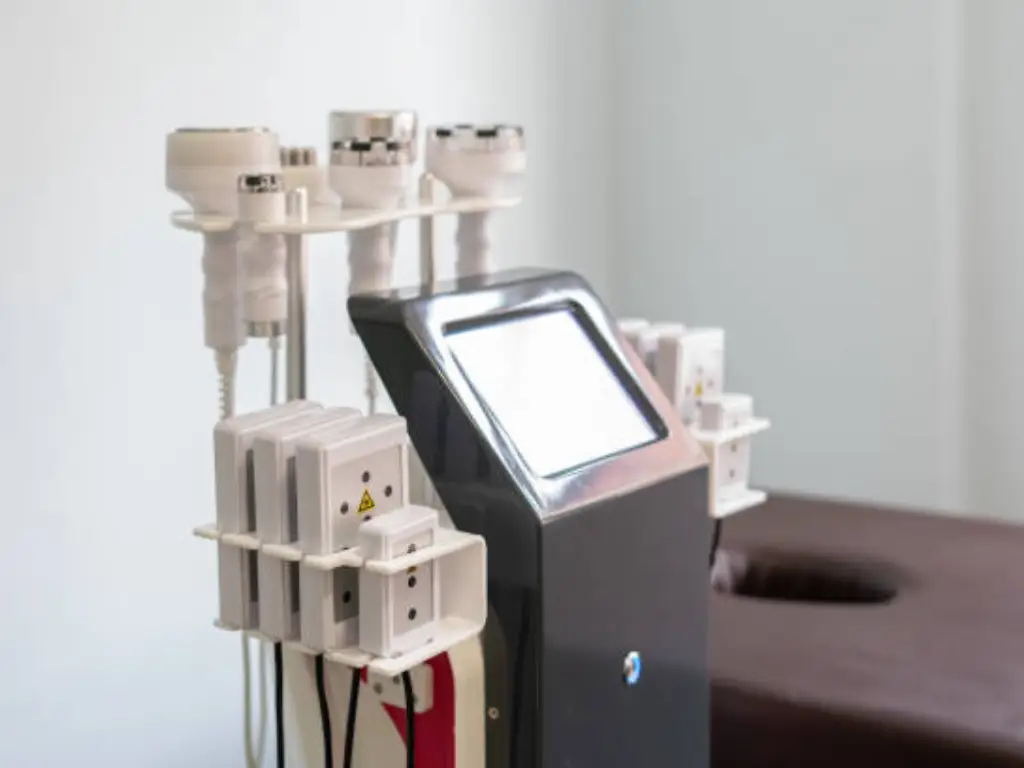
Safe and effective laser treatments are based on the selection of wavelength. The modern professional equipment is preferably supposed to provide a variety of wavelengths to enable the practitioners to treat the largest number of clients safely. The compliance of the machine with such quality standards as ISO 13485 and the use of high-quality and durable components are the main signs of a stable device.
The real worth of any device is not the wavelength but the integrity with which it is manufactured. To guarantee profitability in the long run and predictable client results, professionals should demand equipment that is constructed using precision engineering, strong quality assurance measures, and dependable and medical-grade parts. It is only endurance and stability machines that can sustain the important energy output needed to achieve successful treatment, session after session. And Konmison can help you with that.
Brazilian Laser Hair Removal Full Treatment Process

Understanding the steps of a single Brazilian laser session helps reduce anxiety for first-time clients.
- Initial Consultation and Assessment: Before the first treatment, a professional will check your skin and hair type, look for contraindications (like current medications, sun exposure, or tattoos), and set personalized treatment parameters. This is the stage where realistic expectations are set regarding results and pain level.
- Pre-Treatment Preparation: You must shave the treatment area thoroughly in the 24 hours before the treatment. Note: Waxing or plucking should not be done, the hair root should contain melanin as the laser target. The remaining hair on the surface will absorb the energy and result in potential burns and discomfort.
- Entering the Room: You will be asked to undress to the waist, lie on the treatment bed and cover the unexposed parts of the body with a towel or a sheet. Privacy and comfort of the clients are the most significant issues in this stage.
- Cleaning and Protection: The therapist will tidy up the space. They will also supply professional protective glasses to you and them to protect your eyes against the laser. In some clinics, a skin marking pen is used to draw a grid that is accurate and no part is left out.
- Gel and Cooling: The majority of modern laser devices are cooled with a gel or a powerful dynamic cooling system is inbuilt. This chills the skin surface, enhances comfort and burns are avoided. The difference between a tolerable and a painful experience is the effective cooling.
- Laser Operation: The therapist uses a handheld device to section off the private area. They will adjust the energy based on your tolerance. The process usually moves from the pubis area, labia/scrotum sides, and then to the perianal area at the back. You will hear a rapid series of “snapping” or “zapping” sounds.
- End of Treatment: A full Brazilian laser session usually takes only 15 to 30 minutes. Afterward, the therapist cleans the gel and applies a soothing aloe vera or repair cream. You can immediately return to most normal activities, as there is usually no downtime.
Sessions, Scheduling, and Pain
Laser hair removal is not a one-time treatment; it is a gradual process that requires commitment. Modern technology continues to make the experience faster and more comfortable.
- Number of Sessions: Most people need 6 to 12 sessions to get the best results. The exact number depends on hair color, density, coarseness, and hormonal factors. People with finer, lighter hair or hormonal imbalances may require more sessions.
- Scheduling Interval: Sessions are typically spaced 4 to 8 weeks apart. This interval is crucial because it matches the hair growth cycle, ensuring the laser targets the next batch of hair entering the Anagen Phase. Sticking to this schedule is vital for optimal hair reduction.
- Pain Sensation and Technology: Compared to waxing, laser hair removal pain is often described as a “rubber band snapping against the skin” or a “brief, hot sting.” The private area is sensitive, but modern devices utilize Higher Frequency and Sliding Technology (often called “in-motion”) alongside built-in cooling. These advances allow the device to slide quickly at very high frequencies, which shortens treatment time and significantly reduces discomfort. The pain level tends to decrease significantly after the first few sessions as the hair becomes finer and sparser.
Is Brazilian Laser Hair Removal Worth the Investment?
Understanding the financial investment required for Brazilian laser hair removal is crucial for both the individual client and the clinic owner.
Typical Cost and Value for Clients
Brazilian laser hair removal costs a lot, with the average cost per session being between 150 and 400 USD in the key markets in the West. The investment can be between 900 and 4000 USD in a full treatment plan as 6 to 10 sessions are typically needed.
- Factors Influencing Price: Costs depend heavily on the geographic location (city vs. suburban), the clinic’s reputation, the laser technology used (multi-wavelength devices are often priced higher), and the skill of the technician.
- The Worth It Factor (Value): To the clients, it is the long-term savings and quality of life improvement. The total cost of waxing and shaving is more than the total cost of a complete course of laser over a lifetime. More to the point, laser therapy removes ingrown hairs, skin irritation and the time investment required on a daily basis, providing real smooth skin with minimum maintenance.
Service Pricing and ROI for Clinic Owners
For B2B clients and clinic owners, setting the right price ensures profitability and competitiveness.
- Pricing Strategy: In determining the price of bikini laser hair removal treatment or Brazilian laser hair removal services, the clinics need to take into consideration the initial cost of the equipment, consumable supplies (such as cooling gel), and the wages of the employees. One of the most popular approaches is to sell the overall package at 3 to 5 times the price of a similar waxing package to make it obvious that this is a better long-term value.
- Equipment ROI (Return on Investment): The quality of the laser technology of a clinic is directly related to its profitability.
- High-Quality Devices: Equipment built for stability (e.g., precise cooling, durable parts) ensures minimal downtime for repairs and consistent results, leading to higher client retention and better word-of-mouth referrals. This accelerates the ROI.
- Efficient Treatments: Modern devices with fast repetition rates and large spot sizes (like those offering multi-wavelength technology) can drastically reduce the time needed for a laser hair removal session, allowing a clinic to serve more clients per day and maximize revenue.
The most crucial choice that must be made to guarantee high profit margins and quick payback period in the competitive hair removal market is to select high-efficiency equipment that is reliable.
Risks, Side Effects, and Expert Safety Tips
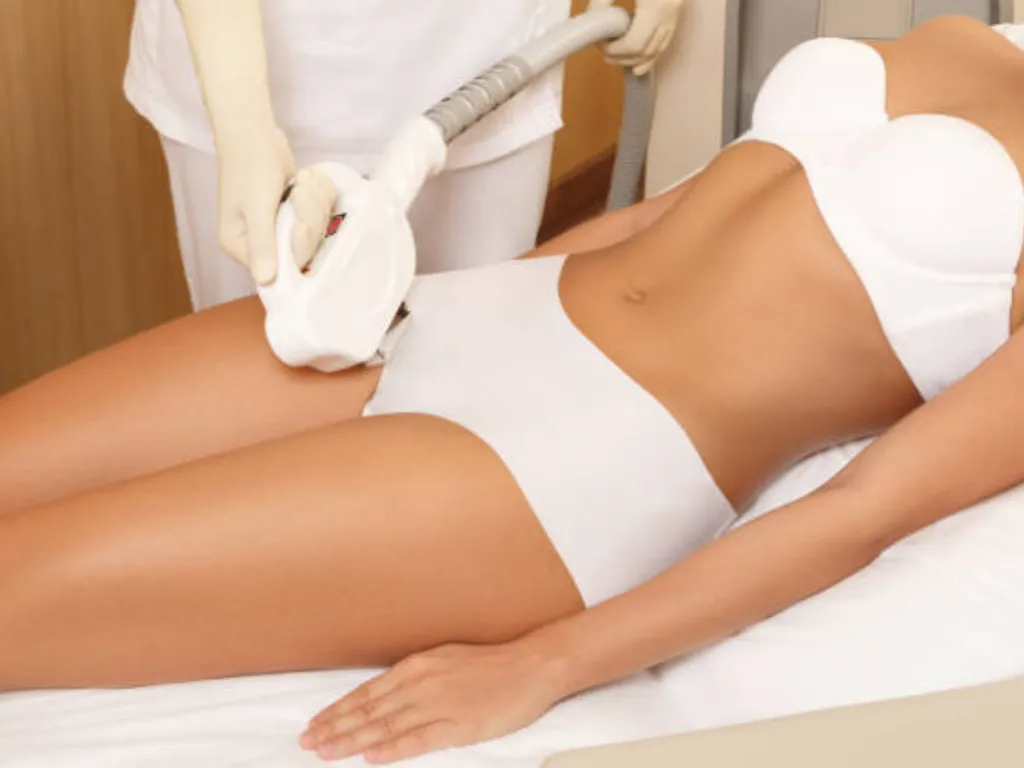
Laser hair removal is safe. But like any aesthetic procedure, there are some risks and side effects.
- Common Temporary Side Effects:
- Redness and Minor Pain: The treated area might be red and sensitive for a few hours after treatment, similar to a sunburn. This is normal and usually resolves quickly.
- Follicle Swelling: Small bumps may appear on the skin, showing that the follicles were successfully targeted by the laser. This is called perifollicular edema and is a positive sign.
- Potential Risks (often caused by incorrect operation or poor equipment):
- Pigment Changes: Hyperpigmentation (skin darkening) or hypopigmentation (skin lightening). This is a greater risk for clients with dark skin tones (Fitzpatrick Type V-VI) or from sun exposure before treatment.
- Burns: Excessive energy settings or insufficient cooling can lead to skin burns.
Equipment stability and quality are the most important to maximize safety of treatment. Good quality equipment should be able to maintain constant energy production and accurate cooling. Professional manufacturers usually use Integrated Smart Cooling systems that measure the skin temperature in real-time and automatically adjust. This makes it safe and comfortable to all types of skin and the chances of thermal injury are greatly minimized.
The Myth of Permanent Hair Removal
Understanding the truth about the results helps manage client expectations.
- Long-Term Effect: Laser hair removal provides Permanent Hair Reduction, not Permanent Hair Removal. This means the laser can permanently damage most hair follicles, greatly reducing hair density and thickness (usually over 80%). The results offer tremendous convenience compared to daily shaving.
- Hair Regrowth: A few follicles might only be damaged instead of destroyed. These follicles may regrow fine, sparse hair years later. Also, hormonal changes (like pregnancy or menopause) can activate dormant follicles. It’s important to convey that perfection is rare, but significant, lasting results are standard.
- Maintenance: To keep the results, most people might need an annual touch-up session 1 to 2 years after finishing the main course. This is a normal maintenance program, not a sign of treatment failure, and these sessions are often quick and inexpensive.
Making Your Smart Device Choice
To the clinic owners, dermatologists, or distributors, the selection of the appropriate laser machine is the key to the return on investment and high customer satisfaction. The most valuable thing you have is your equipment.
Choosing a professional manufacturer means choosing stability, reliability, and full support:
- Quality and Credibility Guarantee: Konmison has been long-established and reliable. TWe sell their products to more than 60 countries and regions where they have gained a good reputation of consistent quality, customization flexibility and speedy delivery.
- Core Material Advantage: Konmison insists on high-quality and expensive raw materials. As an example, Chi Mei ABS manufactures plastic shells and 303 metal parts of food grade stainless steel. This ensures the durability, safety and stability of the equipment.
- Complete Supply Chain and Service: Konmison has 6 production lines and a capacity of more than 30,000 units annually, which guarantees constant delivery time. We provide full world service, such as 24-hour technical consultant service, 1-year warranty on the main machine, remote diagnosis and video training. This makes your business run smoothly.
Investing in Konmison is investing in your professional reputation and long-term profitability.


 EN
EN  RU
RU  ES
ES  IT
IT  AR
AR  FR
FR  DE
DE  JA
JA  KO
KO  NL
NL