
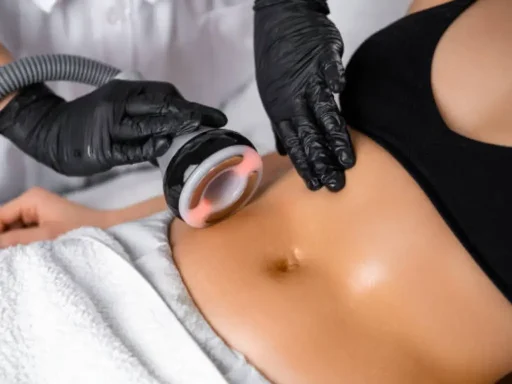
The pursuit of a sculpted body in the realm of medical aesthetics usually reaches a dead end called stubborn fat. Diet and exercise works well on general weight management to many, but it does not work on certain areas of adipose tissue that just will not yield. In the past, surgical liposuction was the only remedy to the problem- an operation that required anesthesia, surgery, and weeks of rest.
Enter Ultrasonic Cavitation.
This technology is often sold as non-surgical liposuction and has become extremely popular as it claims to lose inches without the use of a knife. But what is the physical mechanism of sound destroying fat? Is it safe? And more importantly, does it actually work?
This comprehensive guide will dismantle the science behind the buzzwords to fully answer what is cavitation treatment, explain the biological journey of a fat cell, and reveal why the quality of the equipment used is the single biggest variable in your results.
What Is Ultrasonic Cavitation and How Does It Work?
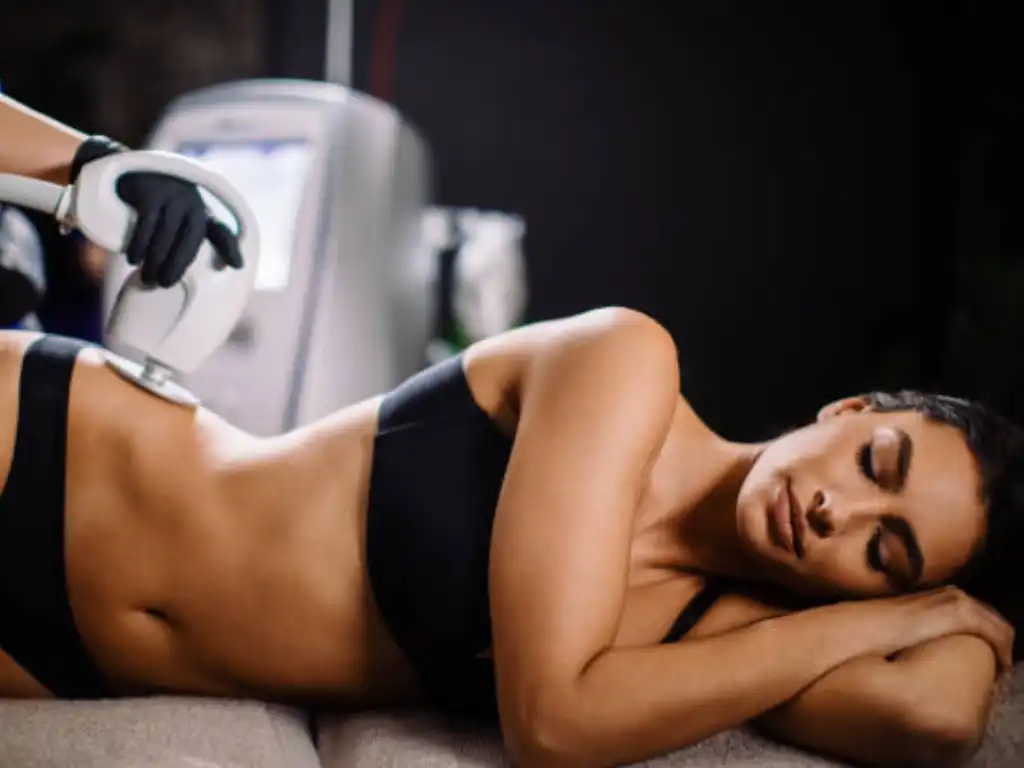
Ultrasonic Cavitation (or ultrasonic lipolysis) is a non-invasive cosmetic surgery that involves the use of low-frequency sound waves to destroy fat cells. Cavitation, unlike surgery, which literally removes fat by sucking it out of the body, interferes with the structural integrity of the fat cell membrane using physics.
The Physics of “The Implosion”
Cavitation is in fact a physical phenomenon utilized by advanced ultrasound technology. Here is the step-by-step mechanism of action:
- Transmission: A handheld device delivers ultrasonic waves, typically at a frequency of 40kHz (40,000 cycles per second), through the skin.
- Microbubbles: These sound waves form fast compression and expansion cycles in the interstitial fluid that surrounds the fat cells. This vibration creates microscopic vacuum bubbles (cavities).
- Pressure Overload: As the bubbles rapidly expand and compress, they generate immense pressure. Fat cells (adipocytes) are delicate in contrast to other tissues such as blood vessels, nerves or muscle fibers.
- Implosion: The pressure becomes too great for the fat cell membrane to withstand. The bubbles burst and the fat cell membrane ruptures (shatters).
- Liquefaction: The solid fat storage (triglycerides) inside the cell spills out and turns into a liquid substance.
Since the frequency is tuned to the resonance of fat cells, other tissues are not damaged. It is a focused attack with the help of sound energy only.
Important Distinction: Weight Loss vs. Fat Reduction
It is important to control expectations before going into details. Obesity is not a condition that is treated by cavitation.
There is a significant difference between losing weight and reducing fat:
- Weight Loss: When you diet, your fat cells shrink in size, but the number of cells remains the same. You weigh less, but your body shape may not change drastically.
- Fat Reduction (Body Contouring): Cavitation destroys the fat cell entirely. The cell is removed from the body. This alters the contour of the treated region (e.g. making a waistline, flattening thighs) but may not lead to a significant change on the scale.
Think of cavitation as a chisel used for fine-tuning a sculpture, not a sledgehammer for demolition.
The Biological Process: Where Does the Fat Go?
One of the most frequent skeptical questions is: “Where does the fat go, in case it is melted? Does it just float around in my body?”
The solution is in the natural body detoxification mechanisms. When the fat cell membrane breaks, the contents, which are mainly triglycerides, are discharged into the intercellular space. The body views this cellular debris as waste and fuel, triggering a metabolic cleanup crew.
The liquefied fat splits into two compounds:
- Glycerol: This is water-soluble. The circulatory system picks it up and the body utilizes it as an instant source of energy (sugar) to the muscles and organs. in other words, you burn it off.
- Free Fatty Acids: These are not soluble in water. They are attached to proteins (albumin) and carried through the Lymphatic System to the Liver.
These fatty acids are then processed in the liver just like fatty foods that you have consumed. They are metabolized in the liver and either burnt to produce energy or excreted in the urine and feces. That is why hydration and liver health are the essential elements of the treatment success, which we will discuss later.
Target Areas: Where Is Treatment Most Effective?
Since ultrasonic cavitation depends on the presence of adipose tissue of adequate density to be effective, it cannot be done everywhere. The treatment involves a layer of fat that is large enough to work with- normally, the practitioners seek places where you can pinch an inch of fat.
Bone-heavy areas (like the clavicle or knees) are generally avoided because the ultrasound waves can reflect off the bone, causing discomfort.
Below is a breakdown of the most effective target zones and what to expect:
| Body Area | Fat Characteristics | Expected Outcome | Difficulty Level |
| Abdomen (Stomach) | Usually contains visceral and subcutaneous fat. Best for the “muffin top” or post-pregnancy belly. | Significant inch loss; visible flattening of the pouch. | Low (High Efficacy) |
| Flanks (Love Handles) | Dense, stubborn subcutaneous fat pockets. | Smoother silhouette; better waist-to-hip ratio. | Low (High Efficacy) |
| Thighs (Inner/Outer) | Often fibrous fat mixed with cellulite. | Reduction in circumference; smoothing of “dimpled” skin texture. | Medium |
| Upper Arms (Bat Wings) | Thinner layer of fat; proximity to bone requires care. | Tighter skin appearance; reduction in arm flap. | Medium |
| Back (Bra Line) | Tougher, more fibrous fat layers. | Smoother back profile in tight clothing. | Medium |
| Buttocks | Dense fat storage. | Lifting effect (often combined with Vacuum therapy); smoothing cellulite. | Medium |
Maximizing Success: Essential Pre and Post-Treatment Protocols
This is the most decisive part to any individual who is thinking of the treatment. Ultrasonic Cavitation is a partnership between the machine and your body. The machine shreds the fat; your body has to get it off. When your lymphatic system is slow, you will not perform well.
To make sure that the fat you imploded is gone forever out of your system, you must adhere to this rigid procedure:
- Pre-Treatment Protocol
- Hydration is Key: Drink at least 1.5 to 2 liters of water in the 24 hours leading up to your appointment. Ultrasound waves travel best through liquids. The cavitation bubbles can be formed more easily in well-hydrated tissue.

- Avoid Alcohol: Do not consume alcohol for 24-48 hours prior. Alcohol burdens the liver. You do not want your liver 100 percent busy processing alcohol, you want it processing fat.
- Post-Treatment Protocol (The “3-Day Rule”)
It takes approximately 72 hours for the body to process the released fat.
- Aggressive Hydration: Drink 2-3 liters of water daily for 3 days post-treatment. This flushes the lymphatic system.
- Elevate Heart Rate: Perform 20-30 minutes of cardio exercise immediately after treatment (or within 4 hours). The treatment releases energy (sugar) into your blood. Unless you burn it, the body can re-store it.
- Lymphatic Massage: Use foam rolling, dry brushing, or vacuum therapy to manually push the fluid toward lymph nodes.
- Dietary Adjustment: Stick to a low-carb, low-sugar diet for 3 days. Eating more sugar will make the body to give the food more priority than the fat you are burning since your body has just been filled with energy by the fat cells.
Safety Profile: Contraindications and Potential Side Effects
Although cavitation is FDA-approved and is believed to be safe in the majority of individuals, it is associated with powerful energy. It is not suitable for everyone. Transparency is vital for safety.
| Potential Side Effects (Normal) | Contraindications (Do Not Treat) |
| Tinnitus (Ringing in Ears): A buzzing sound during treatment (explained below). It stops immediately after the probe is removed. | Pregnancy & Breastfeeding: The metabolism of fat releases toxins that could affect the fetus/baby. |
| Mild Redness: The treated area may look pink or warm due to increased blood flow and heat. | Heart Disease/Pacemakers: Ultrasound can interfere with electrical devices and heart rhythms. |
| Thirst: A sign that the body is flushing toxins; this is a good sign. | Liver/Kidney Disease: Since these organs process the fat, they must be fully functional. |
| Slight Headache: Usually a symptom of dehydration if pre-care wasn’t followed. | Metal Implants: Avoid treating areas with hip replacements or metal plates. |
| Loose Stool: A temporary sign that fat is leaving the body via the digestive system. | Active Cancer or Chemotherapy: The lymphatic stimulation can be risky. |
Disclaimer: This article is for informational purposes only and does not constitute medical advice. Always consult with a certified medical professional before starting any body contouring treatment, especially if you have underlying health conditions.
Cost and Sessions: How Many Treatments Do You Need?
Cavitation is a cumulative therapy unlike liposuction which is a one-time procedure.
- Standard Course: Most professionals recommend a series of 6 to 12 ultrasonic cavitation treatments..
- Frequency: The treatments must be separated by a minimum of 3 days (usually once a week) to enable the liver to complete its detoxification process.
- Maintenance: Once the desired shape is achieved, maintenance treatments once a month are often recommended.
The Investment:
The cost is extremely different depending on the area, but the average cost of a session is between $100 and $300. A complete course will cost between $1000 and $3000. Since this is a big investment in terms of finances, the most important thing is to make each session effective. This brings us to the least considered aspect of fat reduction; the machine.
Cavitation vs. Liposuction: Why Choose Non-Invasive?
Traditional Liposuction has been the gold standard over decades. Nevertheless, the emergence of so-called Med Spas suggests that consumers are moving towards non-invasive procedures. Why are people choosing sound waves over surgery?
- The “Lunch Break” Procedure (Zero Downtime)
Liposuction is surgery. It requires anesthesia, incisions, and a recovery period that can last weeks, involving compression garments and limited mobility. Cavitation requires zero downtime. You may have a 30 minutes session during your lunch break and go back to work.
- No Trauma or Scarring
Liposuction involves physically scraping fat out via a cannula, which causes tissue trauma, swelling, and bruising. It leaves small scars at incision points. Cavitation does not leave any trace on the skin. The skin is not broken and since no trauma is present, the chances of infection are practically zero.
- Gradual, Natural-Looking Results
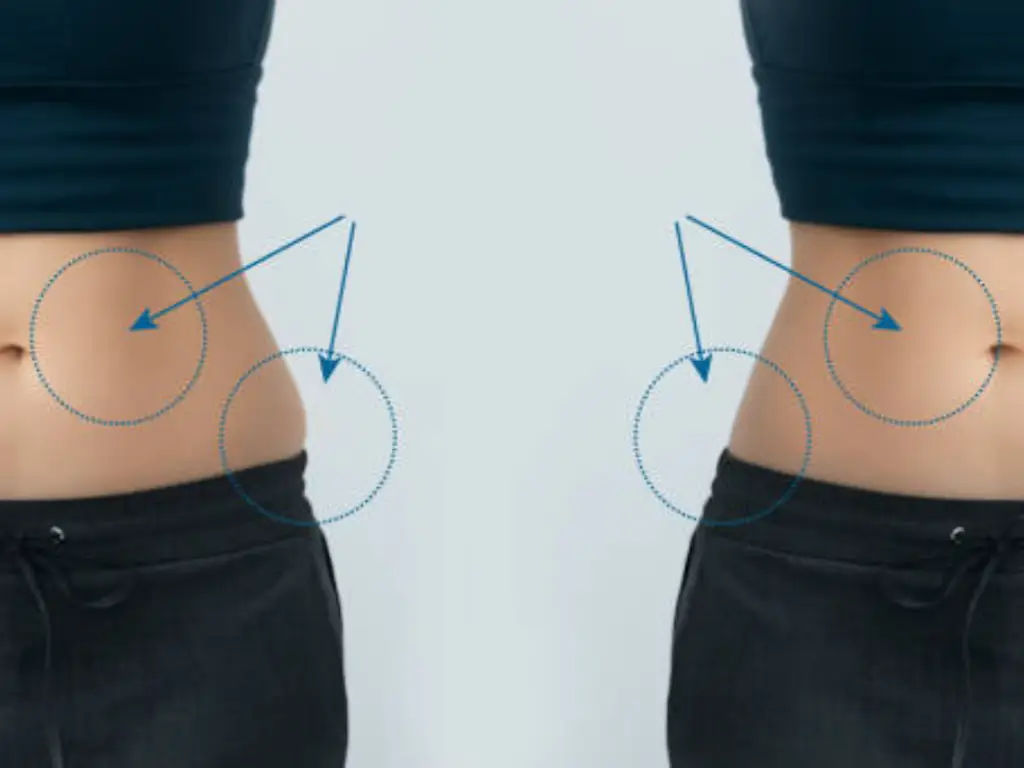
Sometimes surgery may leave lumps or unevenness in case excess fat is excised at once. Cavitation is gradual. The fact that the fat is burned off in weeks gives the skin more time to shrink and adjust to the new body shape, and the chances of having loose, sagging skin are minimized (when used with Radio Frequency treatments).
- Cost and Accessibility
Liposuction is expensive in the short run. Cavitation is bought in sessions and is therefore affordable to a larger population who might not afford surgery.
If you want to compare ultrasonic cavitation treatment to other such as coolsculpting, you may find this content helpful: Ultrasonic Cavitation vs CoolSculpting
Equipment Quality Is Critical for Professional Results
Not all sound waves are created equal. The success of your treatment, whether you are the owner of the spa providing the service or a client who is paying to receive it, is all about the engineering accuracy of the device.
The machine should have an accurate frequency to break a fat cell without burning the skin.
- Low Frequency (30-40kHz): These are longer wavelength waves that are deep penetrating. They work well with thick, subcutaneous fat (such as the abdomen).
- High Frequency (80kHz+): These waves are shorter and heat the tissue faster but penetrate shallowly. They are better for minor sculpting or thinner fat layers.
The market is however saturated with devices that purport to be 40k but are not technologically advanced to stabilize that frequency.
The Tinnitus Sign: How to Know the Device Is Working?
Sound is one of the most noticeable peculiarities of a real cavitation treatment. The client will also experience a high-pitched cricket-like sound or a squeal in their head during the procedure.
Why does this happen? This is not an auditory hallucination. It is Bone Conduction. The ultrasound wave of 40kHz passes through the body and vibrates the skull bones, which directly stimulates the auditory nerve.
The Marketing Reality Check:
In case you (or your client) are not able to hear this sound during a 40kHz treatment, the device is probably not working. It usually means:
- The frequency has gone too high (it has become surface vibration).
- The strength is not strong enough to enter the tissue.
- The evidence of penetration is the ringing. A silent machine is not necessarily a fat-reduction tool, it is a massager.
Professional vs. Home-Use Devices: The Frequency Gap
A large number of consumers attempt to save money by purchasing portable cavitation devices online. The problem is Power Stability.
To create a real cavitation effect, a high-energy output is needed, which is stable under load (i.e. when pressed against the body). The frequency varies as soon as the probe is in contact with the skin due to cheap components. The energy does not implode fat cells, but instead, it scatters in the form of heat. This is the reason why most home users get zero results after several months of use.
The Konmison Advantage: Industrial-Grade Stability
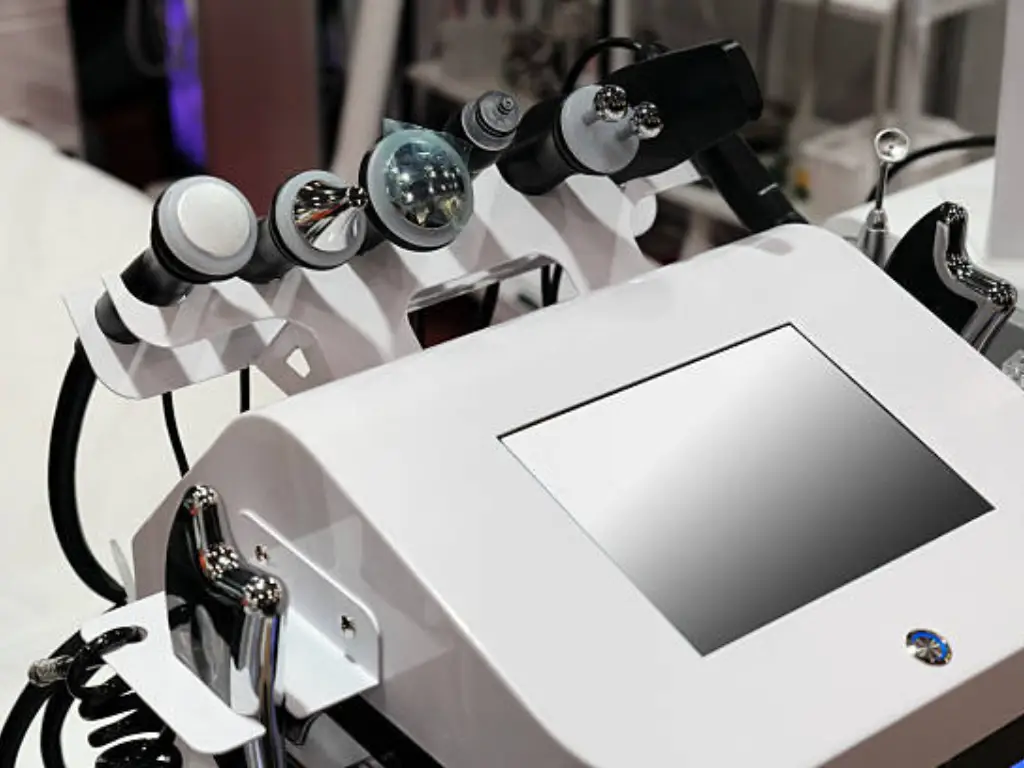
Equipment selection is the differentiator to salon owners and distributors who want to offer results that will make clients come back.
This is where Konmison is different in the manufacturing environment. The Cavitation Machines are designed with industrial grade transducers that fix the frequency unlike generic assembly-line devices.
- True 40kHz Technology: We utilize rigorously tested frequency generators that ensure the sound wave penetrates deep into the adipose layer without frequency drift. This maximizes the “tinnitus sign” and, more importantly, the fat cell implosion.
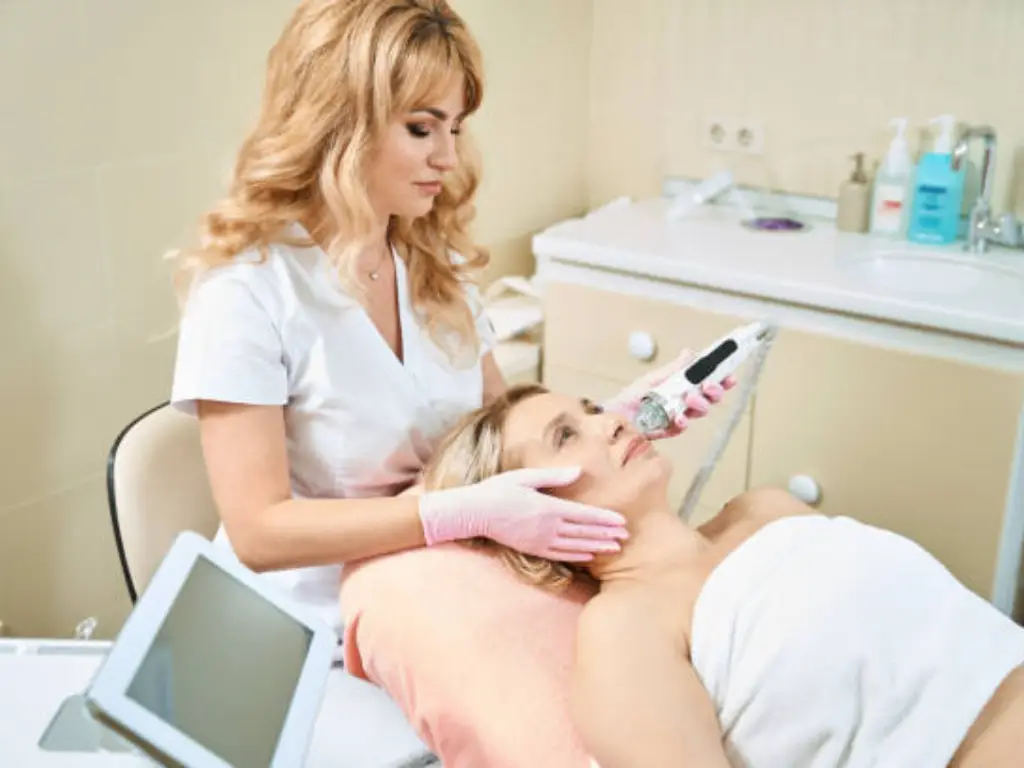
- Integrated Body Sculpting Systems: Fat reduction is only half the battle. Skin tightening is the other. Konmison devices often integrate Multipolar RF (Radio Frequency) and Vacuum Therapy into a single workstation. This allows practitioners to break the fat (Cavitation), drain the lymph (Vacuum), and tighten the skin (RF) in a single session.
- ROI for Professionals: Due to the high stability and durability of Konmison machines, business owners have less maintenance problems and provide consistent “Before and After” results that generate referrals.
When the goal is biological change, precision engineering isn’t a luxury—it’s a necessity.
[Explore Konmison’s Range of Professional Cavitation & Slimming Machines Here]
Final Thoughts
Ultrasonic cavitation is not magic; it is physics. t provides a scientifically tested way of body shaping to those who are ready to adhere to the hydration and diet regimen. The science however only works when the sound waves are accurate. You want to book a treatment or furnish your spa, but you should focus on quality technology to make the fat loss process successful.



 EN
EN  RU
RU  ES
ES  IT
IT  AR
AR  FR
FR  DE
DE  JA
JA  KO
KO  NL
NL