

The existing medical aesthetics industry market in the world does not assure success by simply establishing a shop. With the increased regulation, more rational consumer aesthetics, and the implementation of AI technology, a detailed, prospective, and compliant med spa business plan is the only basis on which a startup clinic can secure funding, hire the most qualified management team and team members, and become profitable in a relatively short time. This guide will provide a detailed understanding of all the core areas of the aesthetic entrepreneurship process, such as compliance to scalable profit.
Defining Your Niche in the Medical Aesthetics Market
The first step and one of the key things you need to do when writing your business planning document is to make clear: you are not merely doing aesthetics; you are addressing certain beauty needs. The net profit margin and complexity of your operations is directly related to your target market positioning.
The current market is primarily divided into three core tracks:
- Medical Spa (Medi-Spa) / Non-Invasive Clinic: Specializes in injectables (Botox, fillers) and light-based devices (Picosecond, HIFU). High frequency, high standardization and short recovery times. The problem is that there is a high level of competition in the acquisition of customers, yet the profit margins are usually between 20 and 35 percent.
- Anti-Aging & Wellness Center: It is a high-growth track, which is a combination of functional medicine, hormone management, and regenerative medicine. It focuses on high-end customers who are highly loyal and spend the most per-customer, but demand strict overall professional knowledge.
- Surgical Aesthetics Center: Specializes in invasive surgeries including rhinoplasty, liposuction and breast augmentation. The entry barrier is very high, which includes general anesthesia monitoring. Although the per-customer spend is enormous (tens of thousands of dollars), it experiences high medical risk expenditures and protracted customer decision-making.
Positioning Strategy Suggestion: Startups are advised to focus on a mix of Medi-Spa + Tech Skincare, establishing the basic cash flow with high frequency light-based projects, and then realizing profit explosions with high-end anti-aging programs.
Navigating Regulatory Compliance and Medical Licensing Requirements
This is the non-negotiable and hardcore section of your business plan. Medical aesthetics is simply a medical practice; patient safety and legal obedience is the blood of the clinic.
- Medical Licensing and Physician Access: The majority of jurisdictions demand that a clinic has a licensed Medical Director. you should specify whether your practicing physicians are qualified to use particular Class III medical devices. The contemporary regulatory trend is harsh: non-physician consultants are forbidden to give advice on prescription drugs (including Botox) strictly.
- Location Compliance: A medical aesthetic clinic is not a typical retail store. It should be in accordance with Health Codes, which include but are not limited to:
- Cleanroom Standards: Operating or injection rooms should be of a certain grade of air purification.
- Medical Waste Disposal: Sharps and biohazardous waste should be disposed of by signing agreements with professional third-party agencies.
- Privacy Protection: Soundproofing and flow of consultation and treatment rooms should be in accordance with the HIPAA (or local equivalent) requirements of patient privacy.
- Device Compliance: FDA, CE or local medical devices should be registered with any equipment entering the clinic. Using equipment that does not comply with the regulations is not only liable to huge fines, but also cancellation of insurance and brand destruction.n.
Strategic Location Selection and Facility Design Essentials
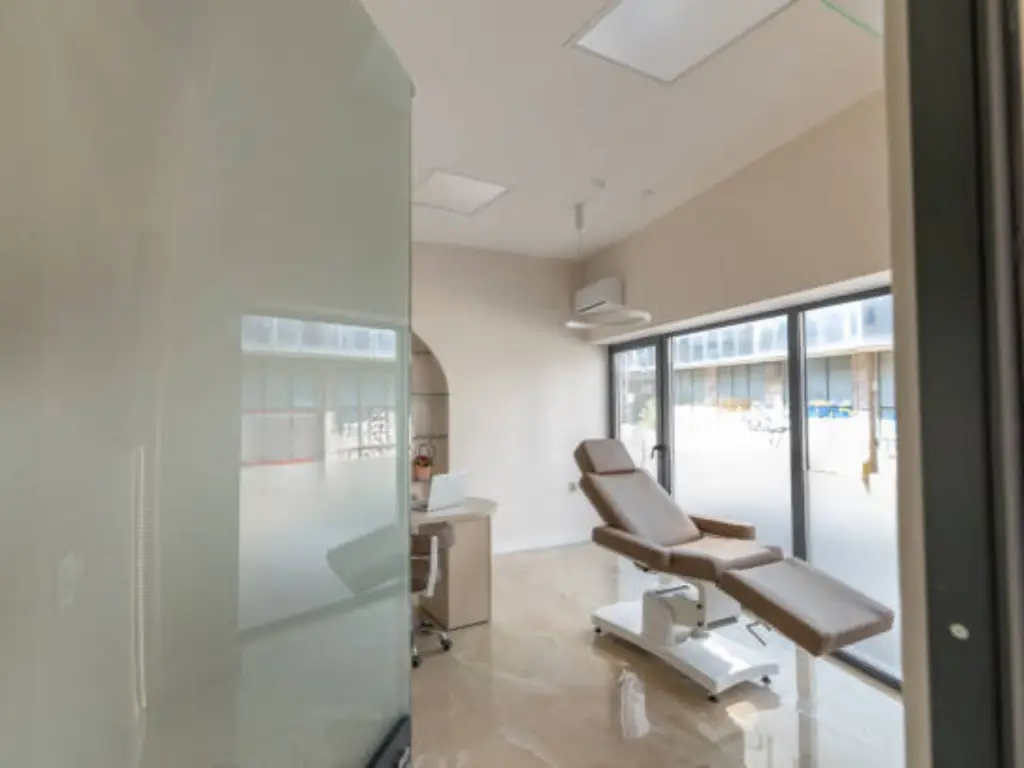
“Location” determines traffic; “Design” determines conversion.
- Business District vs. Office Building: A ground-floor store in a high-end business district is costly but has natural exposure, which is appropriate in a fast-fashion medi-spa route. An office building with a high-rise provides a greater level of privacy, which is appropriate to a high-end anti-aging route that is based on membership.
- Space Flow Design: A good clinic design must be designed in a one-way flow. Patients come in via the reception, a private consultation room, the treatment area, and then exit via a side door or independent changing area. This prevents direct contact between post-treatment patients with redness on the face and waiting clients, which significantly improves the sense of security and increases the average value of transactions significantly.
Curating High-ROI Service Menus with Modern Aesthetic Trends
Your service menu cannot afford to be stagnant in the traditional basics to be competitive in the current market. Your product mix must consist of:
- Loss Leaders: e.g. Hydrodermabrasion or basic chemical peels. The objective is to obtain customer contact information and face at low per-customer transactions.
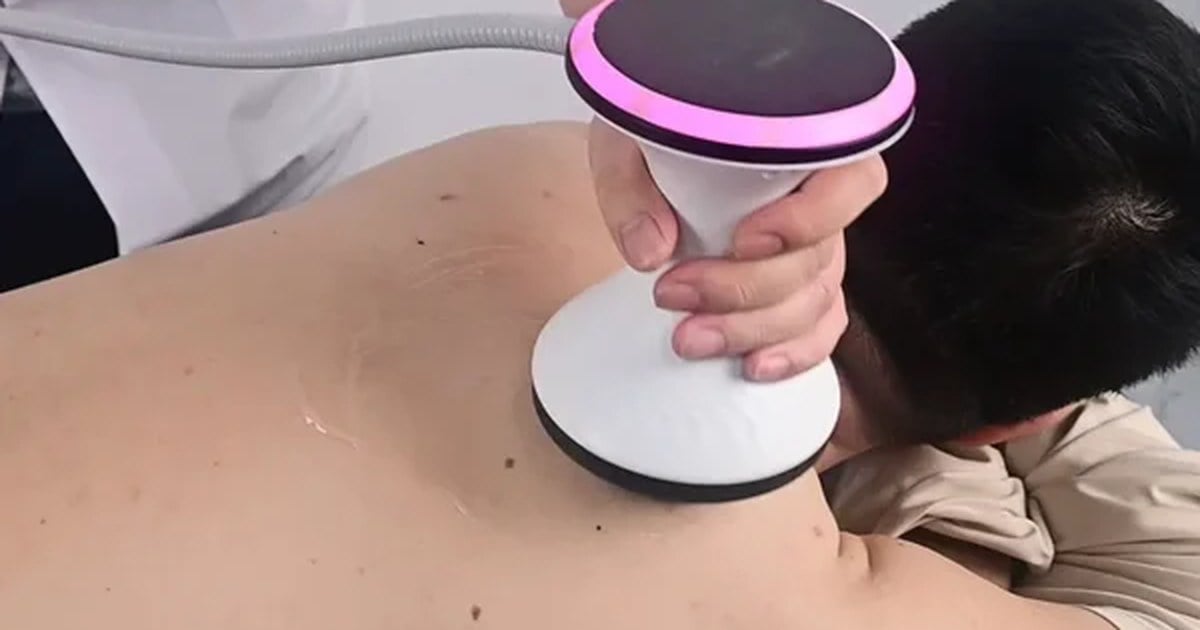
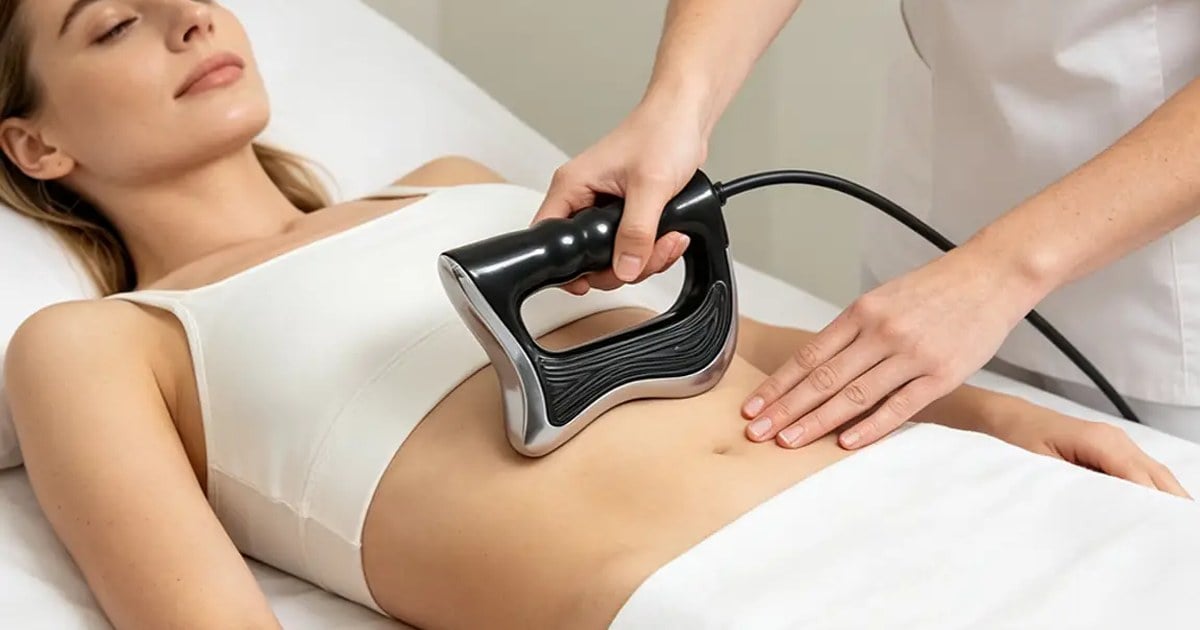
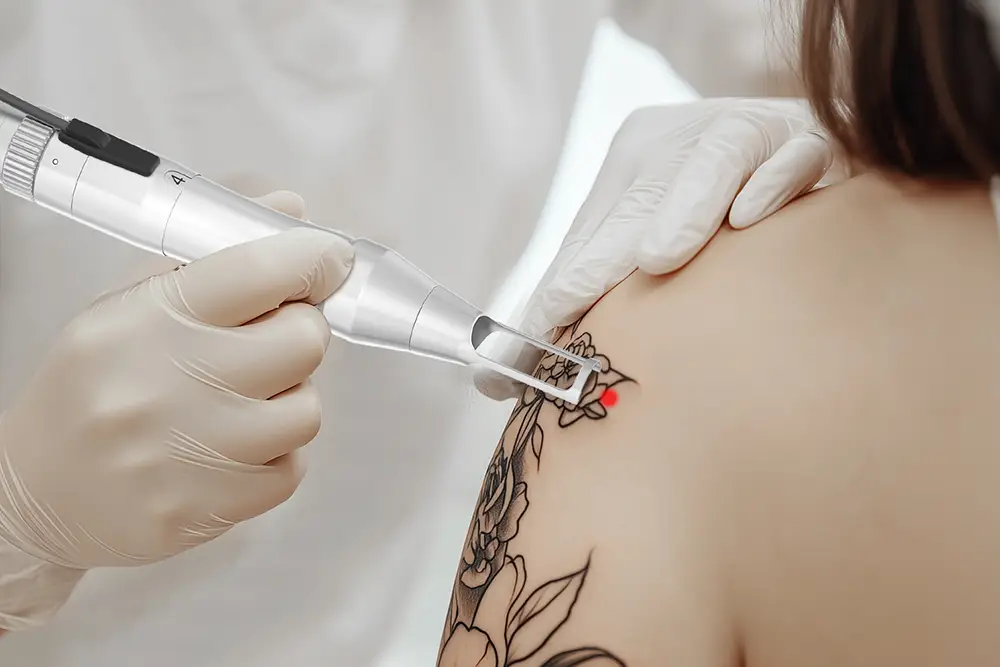
- Profit Drivers: Picosecond lasers, High-Intensity Focused Ultrasound (HIFU), and Cryolipolysis. These are high margin projects and the survival of the clinic is pegged on these projects.
- Synergistic Trends:
- GLP-1 Synergistic Therapy: Integrating weight loss drugs such as Semaglutide with closed-loop solutions of medication weight loss + firming anti-aging.
- Male Aesthetics: This is aimed at jawline shaping and pre-hair transplant in men.
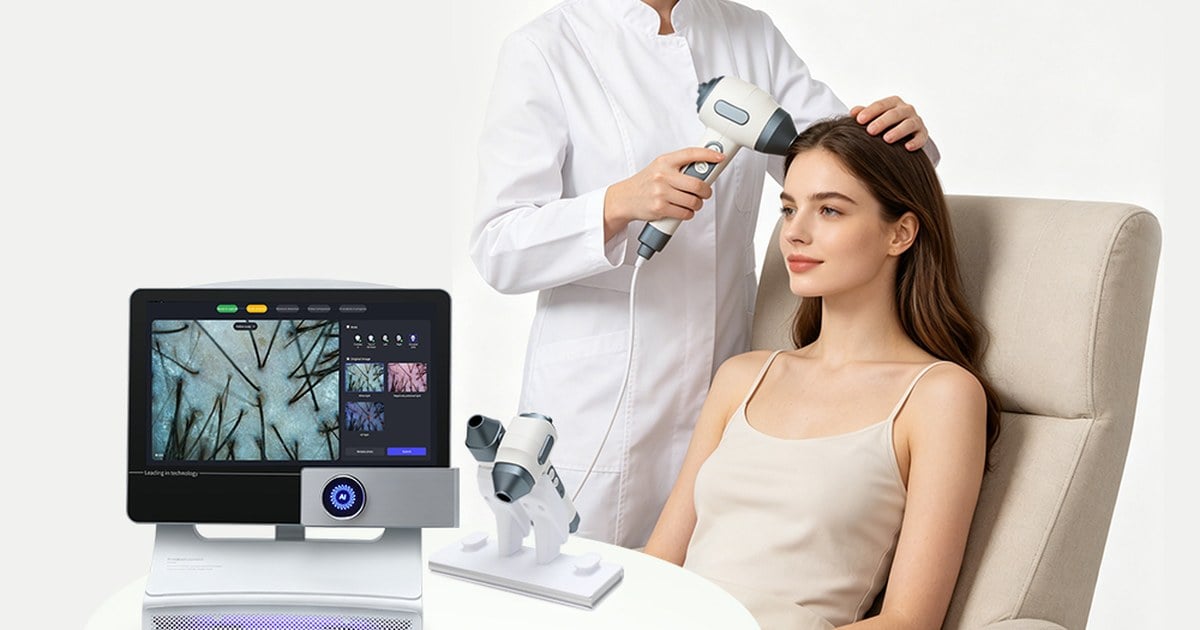
- AI Skin Analysis: Predicting future wrinkle trends using AI deep scanning before the client notices aging, thus, creating consumer demand.
Curating Your Service Menu and Advanced Technology Stack
The equipment should not be chosen according to the popularity of the brand, but according to ROI (Return on Investment). The perfect equipment matrix should include: a basic cleaning platform, a multi-purpose light/energy platform, and hero equipment in vertical locations.
In this instance, the choice of a single-stop manufacturer of beauty machines like Konmison is a colossal cost advantage to the business owner and entrepreneurs, providing a distinct competitive advantage.
Why is Konmison a Core Supply Chain Asset in a Medical Aesthetics Business Plan?
When writing the equipment procurement section of your plan, partnering with Konmison directly optimizes your financial plan and overall statements:
- Exceptional Delivery and Customization: Konmison was founded in 2013 and has a modern factory of 12,000 square meters with 6 production lines that are automated, with an annual capacity of over 30,000 units. This implies that they can offer consistent supply chain support even in your high growth chain expansion stage.
- Rigorous Quality Control and Certification: Their products are based on the ISO 13485 medical device quality management system and have complete international certifications such as CE, FDA, RoHS, FCC. It is important to note that their mainboards are subjected to 72 hours of aging tests and metal components are made of 303 food grade stainless steel, which means that their failure rates are extremely low when subjected to high frequency commercial use.
- High ROI Technology Platforms: Konmison provides a complete range of platforms 808nm diode laser hair removal, HIFU, to multi-polar Radio Frequency (RF) and Cryolipolysis. Their multi-functional designs enable the clinics to offer the maximum number of services with the least amount of space, significantly reducing the payback period.
- Global Service Support: Konmison offers years of international trade experience and 1-on-1 project engineer follow-ups, which means that the company offers nanny-like services, starting with operational training and ending with remote diagnostics, which is the bane of newcomers.
By integrating Konmison’s equipment solutions into your spa business plan, your solid business plan will demonstrate strong risk resistance and significant price competitiveness.
Building a High-Performance Medical and Consulting Team
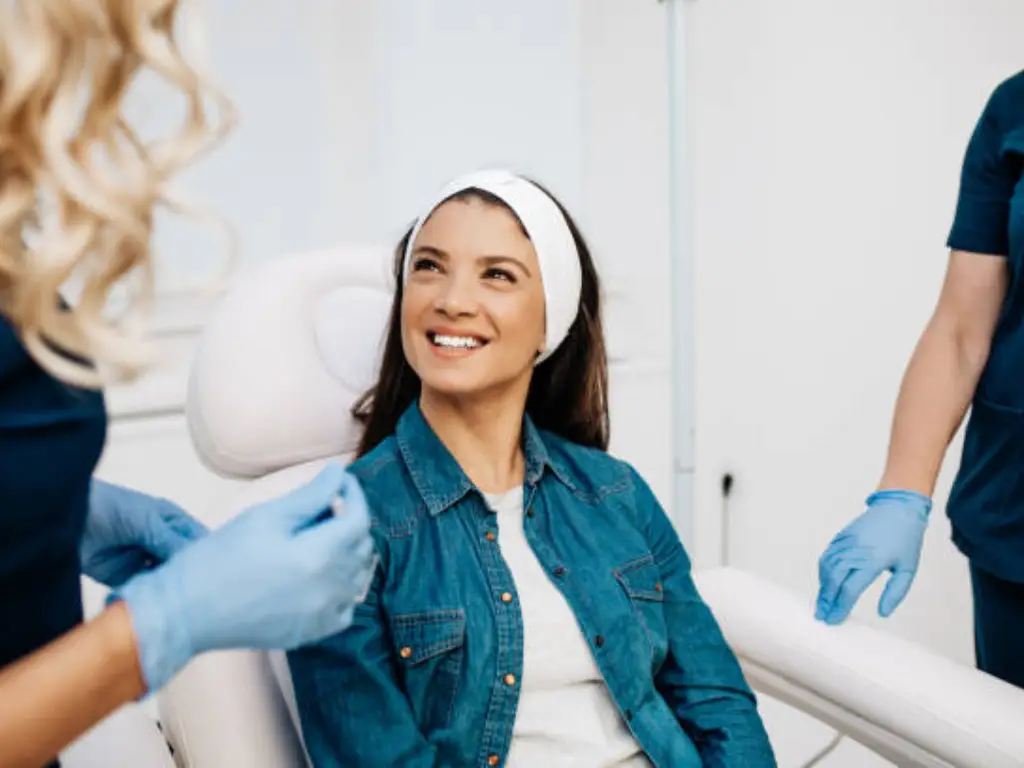
Medical aesthetics is a traditional people business. Client retention depends on your team set up.
- The Golden Triangle Model: Physician (Professional endorsement) + Nurse (Service details) + Consultant/Closer (Conversion performance).
- Incentive Mechanism Design: Simple commission systems are no longer enough to retain core staff. Consider introducing a “Partner Point System” or “Service Satisfaction Bonuses,” linking employee income to long-term Lifetime Value (LTV) rather than single transaction volume. This effectively prevents over-selling that leads to client churn.
Data-Driven Marketing Strategy for Patient Acquisition and Retention
The old hard advertising is killed in the age of information explosion. You require a digital marketing and Omnichannel plan to reach your target audience:
- Social Media Endorsement (KOS/KOL): Use Key Opinion Staff (professional physician accounts) to post educational videos on Instagram or Tik Tok to create a professional image.
- Private Traffic Operations: Use CRM systems to send post-treatment care tips regularly instead of promotional texts only.
- Referral Mechanisms: Develop tiered member referral rewards. Medical aesthetics possesses good social circle qualities; a referral is likely to be converted more than 5 times as compared to a new lead.
Financial Forecasting: Startup Costs and Revenue Projection Models
A financial plan that impresses investors must realistically reflect the cost structure and provide an accurate executive summary of the first year.
| Category | Reference Amount/Ratio | Key Control Points |
| Startup Cost | $300k – $800k | Includes equipment, renovation, initial rent, licensing |
| Payroll | 25% – 30% of revenue | Balance between fixed salary and dynamic commissions |
| Acquisition Cost (CAC) | $50 – $200 / person | Depends on city competition and marketing channels |
| Consumables (COGS) | 10% – 15% of revenue | Lower margins on injectables (fillers, etc.) |
| Break-even Point (BEP) | Months 8 – 14 | Crucial acquisition speed in the first 6 months |
To ensure a successful medical spa, you must maintain a detailed income statement, balance sheet, cash flow statement, and a regular profit and loss statement. Your financial projections should account for a lot of money being reinvested in the initial phase.
Profitability Advice: Focus on “Monthly Memberships” to ensure fixed expenses (rent, labor) are covered by monthly skincare services, leaving high-end energy-based projects for pure profit.
Future-Proofing Your Business Against Evolving Industry Trends
A business plan template is a living document. To show deep insight, your market analysis must discuss the following trends:
- Regenerative Medicine: The consumer demand is moving away to fill wrinkles and towards stimulating tissue regeneration. Exosomes and collagen-stimulating technologies are becoming the norm.
- AI Full-Process Diagnostics: AI is not only being applied to skin diagnosis but is also being used to recreate the effects of post-treatment. The visual effect of allowing clients to view themselves three months after treatment, using Digital Twin technology, is something that no sales pitch can be compared to.
- Transparent Operations: Customers are becoming more worried about the traceability of products. The inclusion of an Authentic Product Traceability System to your plan will be a core competency that will make you stand out of the back-alley clinics.
Conclusion
Developing a business plan of medical aesthetics is not just to raise funds; it is to justify your plan in a competitive business. With a clear market positioning, operational logic that complies, and a high-quality supply chain, your aesthetic business will be able to survive market cycles since its inception.


 EN
EN  RU
RU  ES
ES  IT
IT  AR
AR  FR
FR  DE
DE  JA
JA  KO
KO  NL
NL