
If you’ve been scrolling through before-and-after photos of carbon laser facials — also called the Hollywood Peel or carbon laser peel — you’re probably asking the same question every first-timer asks: does this actually work, and what will my face look like afterward?
The short answer is yes, it works — but not for everything, and not in one session. The longer answer, which most clinic websites won’t give you with full honesty, is what this guide is about.
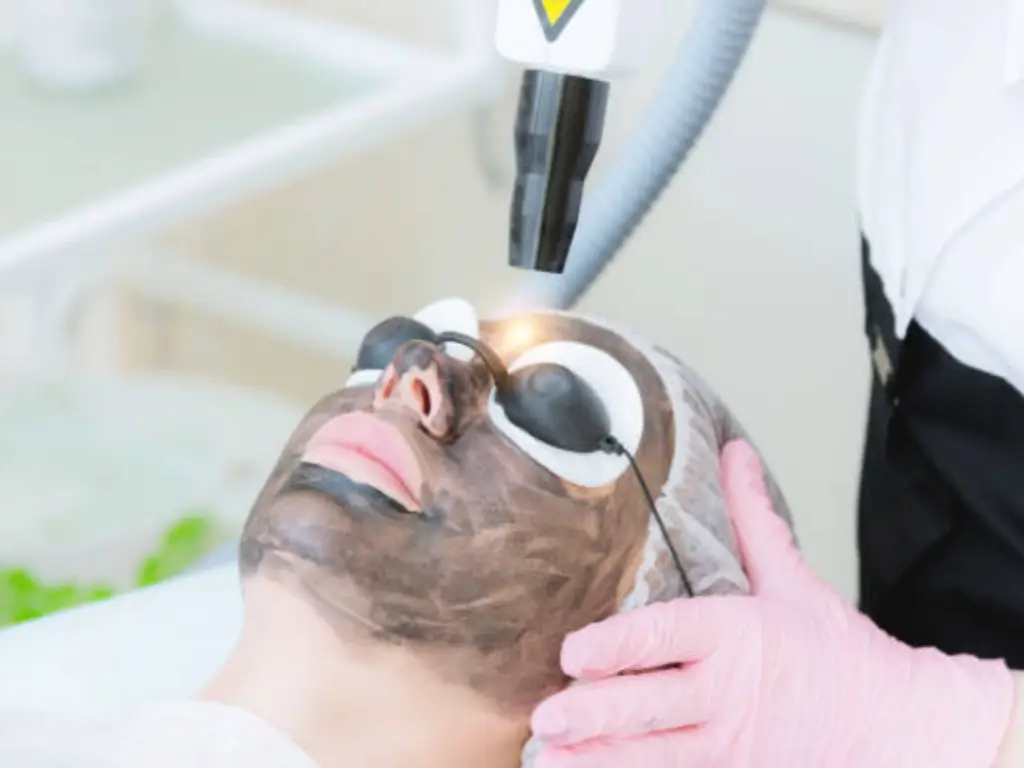
What Is a Carbon Laser Facial and How Does It Work?
A carbon laser facial is a non-invasive, zero-downtime skin rejuvenation treatment that uses a thin layer of medical-grade liquid carbon paired with a Q-switched Nd:YAG laser operating at 1064 nanometers — the only wavelength used for this procedure.
Here’s what happens in three steps. First, the carbon lotion is applied to your face and left for about 10 minutes, giving the carbon particles time to penetrate deep into your pores, where they bind to oil, debris, and dead skin cells. Second, the laser makes a gentle heating pass, warming the carbon and the upper dermis, which stimulates collagen-producing fibroblast cells while the carbon continues absorbing impurities. Third, the laser fires at higher energy — the carbon particles absorb the laser energy and instantly vaporize, taking the trapped oil, blackheads, and dead skin with them in a controlled micro-explosion.
Here’s what most people miss: carbon laser is not an ablative or resurfacing laser. It does not remove layers of skin the way a CO₂ fractional laser does. The carbon does the work of carrying impurities out, and the laser energy that does reach your skin triggers gentle collagen remodeling — not tissue destruction. That’s why there’s no peeling, no crusting, and no hiding indoors for a week afterward.
If you’ve ever heard someone confuse carbon laser with CO₂ laser — the wavelengths alone make the difference obvious: carbon laser is 1,064 nanometers; CO₂ is 10,600 nanometers, ten times longer. They are fundamentally different procedures for fundamentally different skin concerns.
What Happens During a Carbon Laser Treatment?
Most people searching for before-and-after photos have a hidden question: what does it actually feel like, and is it going to hurt?
The entire treatment takes 20 to 30 minutes — short enough that clinics often call it a “lunchtime facial.”
Step 1: Cleansing. Your face is washed with a standard cleanser to remove surface oil and makeup. This takes about two minutes.
Step 2: Carbon application. A black liquid carbon lotion is brushed evenly across your face and left to dry for roughly 10 minutes. At this point you will look like you’re wearing a glossy black mask. The carbon must sit long enough to penetrate into your pores — if a clinic rushes this step and starts lasering after only 3 or 4 minutes, the treatment won’t work as well.
Step 3: Laser treatment — two passes. For the first pass, the laser moves across your skin at lower energy to heat the carbon. You’ll feel a mild warmth. For the second pass, the energy increases. The laser vaporizes the carbon particles, producing a distinctive crackling sound and a faint burning smell. Several reviewers say nobody warned them about this — it’s entirely normal. The smell is the carbon being destroyed along with the impurities it captured.
Step 4: Cleanup. Any remaining carbon residue is wiped off. Sunscreen is applied. Your face may look slightly pink for 1–3 hours, but you can apply makeup and return to work immediately. Most patients rate the sensation as mild — far less uncomfortable than microneedling or chemical peels.
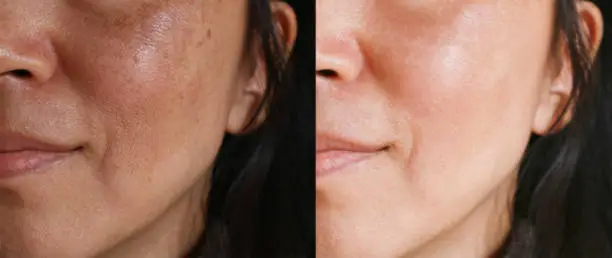
Carbon Laser Before and After: What Results Can You Realistically Expect?
This is the section that directly answers your search. But before diving into the specifics, one thing upfront: carbon laser is a progressive, cumulative treatment — not a one-and-done procedure. A single session will leave your skin visibly cleaner and brighter. Meaningful, lasting change across all the dimensions below requires 3 to 5 sessions spaced 2 to 4 weeks apart.
Acne, Oil Control, and Blackhead Reduction
This is carbon laser’s strongest suit. If your primary frustrations are oily skin, clogged pores, and persistent blackheads, you are the ideal candidate for this treatment.
A 2023 clinical study published in Dermatology Practical & Conceptual followed 272 patients treated with carbon solution-assisted 1,064 nm Nd:YAG laser and reported a patient satisfaction score of 4.26 out of 5 for acne vulgaris — one of the highest satisfaction ratings across all conditions studied.
The mechanism is twofold. The laser’s thermal effect causes sebaceous gland miniaturization — meaning your oil glands physically shrink and produce less sebum over time. At the same time, the heat is directly hostile to Cutibacterium acnes, the bacteria responsible for inflammatory acne. No other non-invasive facial treatment — not HydraFacial, not a chemical peel, not microdermabrasion — achieves both effects simultaneously.
What a realistic before-and-after looks like: after three sessions, most patients report a 60 to 70 percent visible reduction in blackheads on the nose and T-zone, noticeably less midday shine, and pores that appear smaller — though in reality they’re not physically tighter; they just look finer because they’re no longer stretched open by trapped oil.
Honest limitation: carbon laser is not effective for cystic or severely inflamed acne. Wait until active breakouts subside. And post-inflammatory hyperpigmentation — the dark marks left after a pimple heals — responds poorly, with a satisfaction score of just 2.30 out of 5. For acne scars and dark spots, microneedling or a dedicated pigmentation laser serves you better.
Pore Refinement, Skin Brightening, and Pigmentation
The same 272-patient study broke down satisfaction by pigmentation type:
- Solar lentigo (sun spots): 4.35 out of 5 — the highest score. Carbon laser excels at removing surface-level sun damage.
- Ephelides (freckles): 3.94 out of 5 — good but not spectacular; significant lightening is typical, complete removal not guaranteed.
- Melasma: 3.67 out of 5 — moderate improvement. Best as part of a broader management plan, not a standalone fix.
The brightness improvement comes from two sources: deep exfoliation clearing away dull surface cells, and new collagen in the upper dermis improving skin luminosity from within. This is not “whitening” — it’s polishing: the old surface layer that was scattering light unevenly gets replaced by fresh skin that reflects light uniformly, creating the “glow” patients describe.
Fine Lines, Skin Texture, and Anti-Aging
Carbon laser is not an anti-aging laser in the way a fractional CO₂ or an RF microneedling device is. But it does deliver meaningful, if modest, improvements to skin texture and fine lines — provided your expectations are calibrated correctly.
The laser’s thermal energy penetrates approximately 0.5 to 1.0 millimeters into the superficial dermis. This triggers fibroblast activity and new collagen synthesis, with remodeling peaking between 4 and 12 weeks after treatment. Over 3 to 5 sessions, this cumulative effect produces visibly smoother skin, softer fine lines around the eyes and mouth, and a general tightening that makes makeup sit better.
What carbon laser will not do: lift deep nasolabial folds, tighten a sagging jawline, or erase etched-in wrinkles. Those concerns require ablative lasers (like CO₂ fractional) or energy-based devices that reach the deep dermis at 2.0 to 3.0 millimeters. Think of carbon laser as your skin’s gym membership — consistent sessions keep it toned and healthy, but it’s not a facelift.
- Not effective for cystic or severely inflamed acne — wait until active breakouts subside
- Poor response to post-inflammatory hyperpigmentation (dark marks) — satisfaction just 2.30/5
- Cannot lift deep nasolabial folds, tighten a sagging jawline, or erase etched-in wrinkles
Carbon Laser vs. Other Facials: Making the Right Choice
If you’re reading this, you may be deciding between carbon laser and another treatment. Here’s a straightforward comparison to help you choose based on what your skin actually needs.
| Dimension | Carbon Laser Peel | HydraFacial | Microneedling |
|---|---|---|---|
| Best for | Oily/congested skin, blackheads, large pores | Dry/dull skin, instant hydration and glow | Acne scars, deep wrinkles, skin laxity |
| How deep | Epidermis + superficial dermis (0.5–1.0 mm) | Epidermis only | Dermis (1.5–2.5 mm) |
| Immediate result | Cleaner pores, brighter skin | Instant radiance, plump hydration | Minimal visible change (collagen takes weeks) |
| Sessions | 3–5, 2–4 weeks apart | Monthly maintenance | 3–6, 4–6 weeks apart |
| Downtime | None — mild redness 1–3 hours | None | 1–3 days redness |
| Pain level | Mild warmth | Comfortable, painless | Moderate — numbing cream used |
| Results last | 1–3 months, then maintenance | 1 month | 6–12+ months |
Why the Machine Behind Your Carbon Facial Determines Your Results
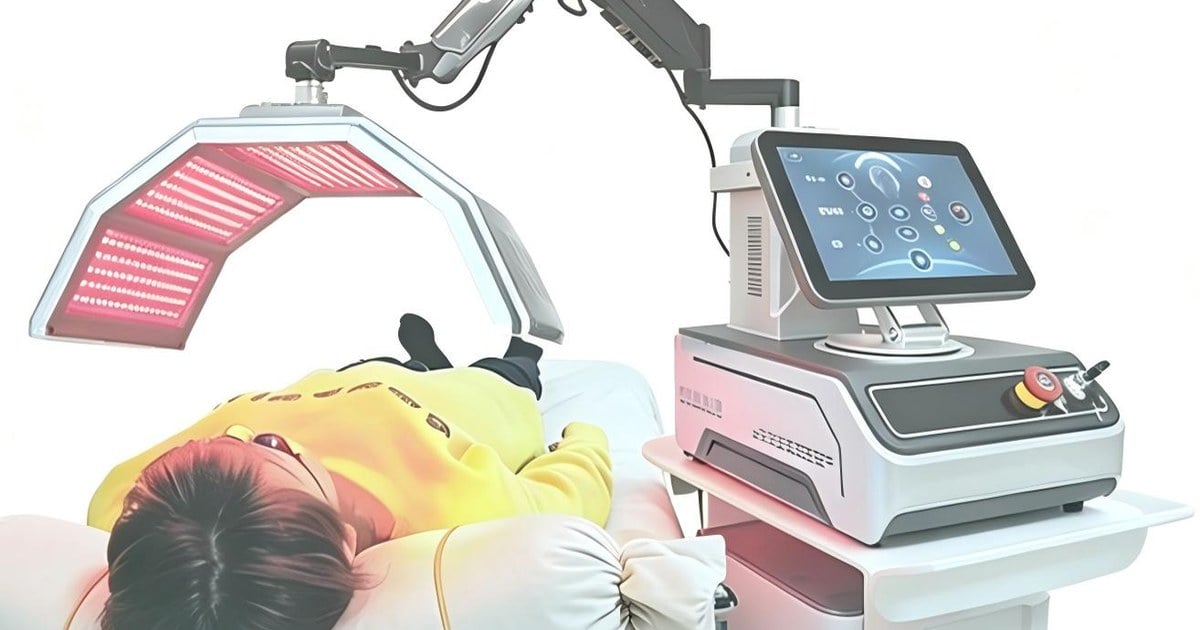
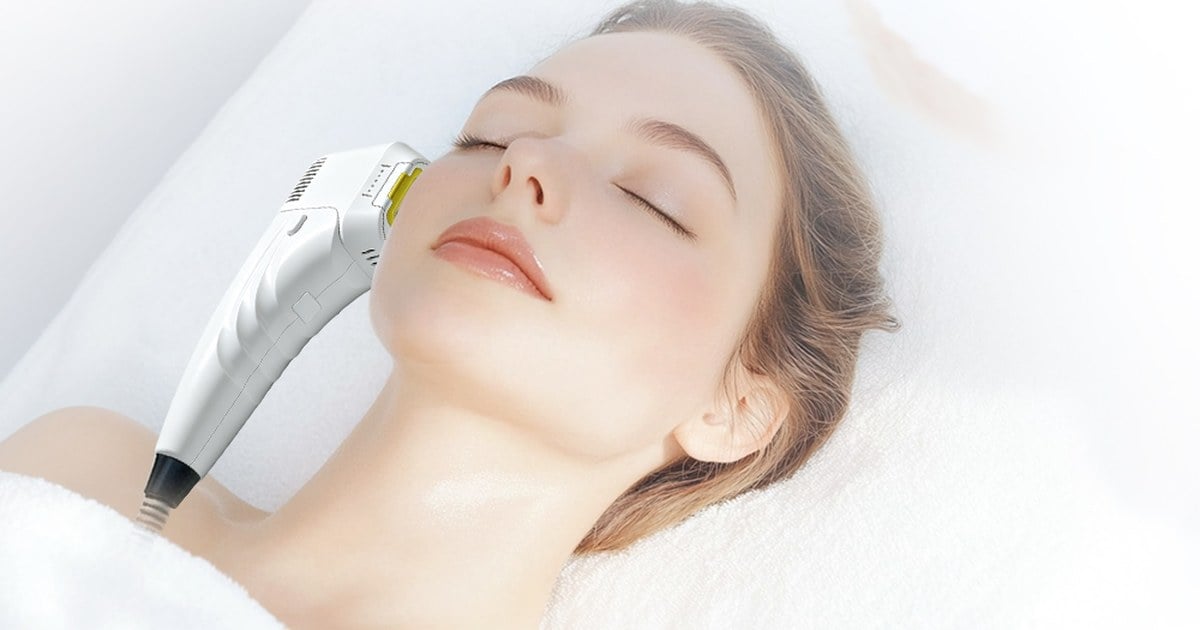
Here’s something the first 20 Google results for “carbon laser facial before and after” won’t tell you: the quality of the laser machine matters at least as much as the skill of the person operating it. A practitioner with ten years of experience using a poorly made machine will deliver worse results than a competent one using a precision-engineered, properly certified device.

What Makes a Quality Carbon Laser Machine
1. Laser type — Q-switched Nd:YAG, nothing else. Carbon laser facials require a Q-switched Nd:YAG laser at 1,064 nanometers. Not a CO₂ laser, not an IPL device, not a generic diode. If a clinic uses anything else, it’s not an actual carbon laser facial.
2. Pulse energy stability. A quality machine maintains pulse variation within ±5% across thousands of shots. Poorly made machines drift ±20% or more — some pulses too weak to clear the carbon, others surging high enough to risk thermal injury.
3. Cooling system. A proper device uses dual water-plus-air cooling. Single-fan cooling, common in cheap devices, lets the handpiece overheat mid-treatment, causing energy output to sag.
4. Certifications. A legitimate medical aesthetic laser should carry CE marking, FDA clearance, and — critically — ISO 13485, the international quality management standard for medical device manufacturing. Without it, the device wasn’t built to medical-grade standards. IEC 60601-1 for electrical safety is another baseline.
How Professional Clinics Source Reliable Equipment
The global market for aesthetic laser equipment is dominated by manufacturers in Guangzhou, China’s medical device manufacturing hub. This is the supply chain reality for clinics worldwide, from med-spas in Los Angeles to dermatology clinics in London.
When a professional clinic evaluates a supplier, they check more than spec sheets: 48-hour PCB board aging tests before assembly, high-and-low temperature cycling, vibration testing, and full-unit light activation tests before the machine leaves the factory. These process-level checks separate a medical-device manufacturer from someone assembling consumer electronics in a medical-looking housing.
Price tiers reflect quality: entry-level $1,900–$4,000 cut corners on cooling and pulse stability; mid-tier $4,000–$9,000 deliver daily-use stability; premium above $9,000 bundle full regulatory compliance and clinical training.
For clinics and brand owners evaluating equipment suppliers: manufacturers like Konmison, operating an ISO 13485-certified facility with CE and FDA-registered devices, represent the tier where certification documentation, aging-test protocols, and multi-point quality inspection are standard practice. Their quality assurance page (konmison.com/quality) details the full inspection workflow.
References
- Dermatology Practical & Conceptual. “Carbon Solution-Assisted 1064 nm Nd:YAG Laser Therapy: Efficacy Across Skin Conditions.” 2023. pmc.ncbi.nlm.nih.gov/articles/PMC11346700/
- International Organization for Standardization. “ISO 13485:2016 — Medical Devices — Quality Management Systems.” iso.org/standard/59752.html
- Konmison. “Quality Assurance.” konmison.com/quality


 EN
EN  RU
RU  ES
ES  IT
IT  AR
AR  FR
FR  DE
DE  JA
JA  KO
KO  NL
NL