
When researching CO2 laser resurfacing, the first thing most people look for is dramatic before and after photos. While these images highlight the incredible potential of fractional laser treatments to erase acne scars, smooth deep wrinkles, and reverse years of sun damage, they rarely tell the whole story. What happens during the crucial days of recovery in between? And more importantly for clinic owners, why do some patients achieve flawless results while others face prolonged redness or uneven healing? This guide breaks down the day by day recovery timeline, realistic expectations for different skin conditions, and the hidden device specifications that ultimately determine the success of every single treatment.
What Is CO2 Fractional Laser and How It Works on Facial Skin
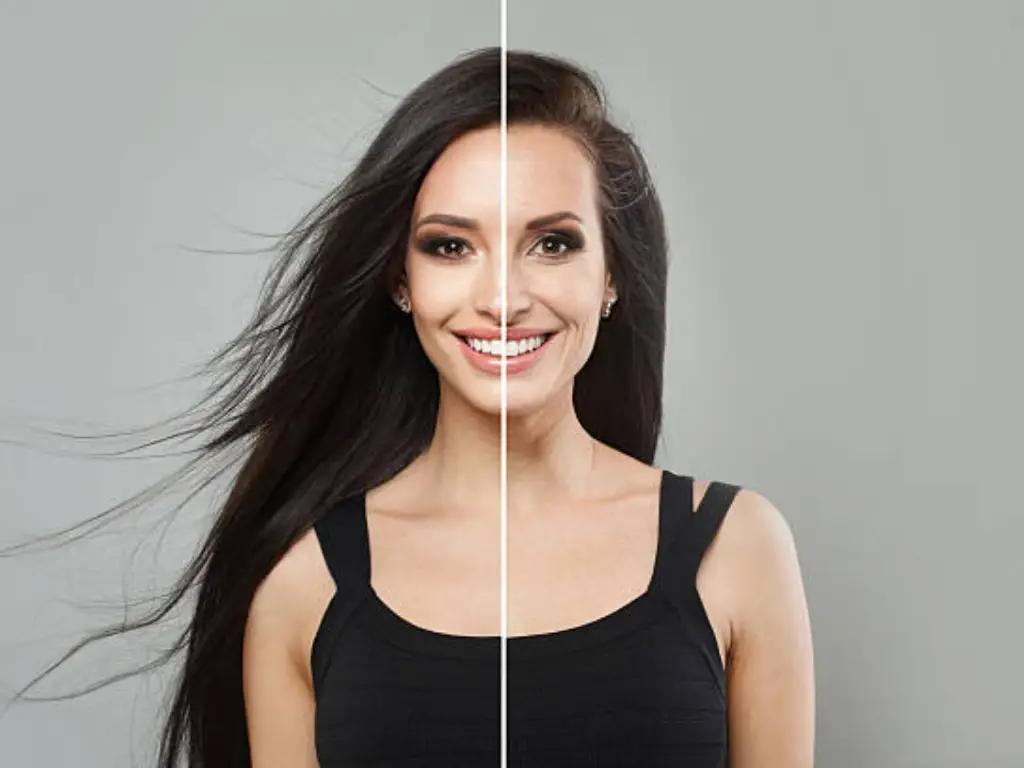
If you search “CO2 laser facial before and after,” you will find hundreds of patient galleries. But to interpret those photos honestly — to know whether the results you see are realistic for your own skin or your clinic’s future patients — you need to understand the technology behind them.
CO2 laser operates at a wavelength of 10,600 nanometers, which targets water molecules inside skin cells. Since human skin is roughly 70% water, the laser energy is absorbed almost instantly, vaporizing damaged tissue in precisely controlled columns called Microscopic Treatment Zones (MTZs). Each MTZ is 70 to 300 micrometers in diameter and can penetrate 800 to 1,500 micrometers deep — reaching the dermis where collagen lives.
The key word is fractional. Unlike older fully ablative CO2 lasers that stripped the entire skin surface, fractional technology leaves bridges of untreated, healthy skin between each MTZ. Think of it like aerating a lawn: a fully ablative laser digs up the entire lawn, while a fractional laser punches evenly spaced holes, leaving surrounding grass intact to help each hole heal faster. Those healthy skin bridges act as reservoirs of cells that accelerate recovery — single-handedly reducing downtime from months to weeks.
Treatment density — the percentage of skin surface covered by MTZs — typically ranges from 5% for a gentle first session to 40% for aggressive deep resurfacing. This single variable explains why two patients who both had “CO2 laser” can have radically different recovery experiences: one walks out pink for a week, the other stays red for two months (American Board of Cosmetic Surgery, 2025).
CO2 fractional laser removes 5–40% of skin surface per session through microscopic treatment zones, leaving healthy skin bridges that cut healing time from months to weeks compared to traditional fully ablative lasers.
CO2 Laser Facial Recovery: What to Expect Day by Day
Before and after photos show the endpoint. What they don’t show is the 7 to 14 days in between — the part every patient asks about. Recovery from CO2 laser follows two distinct phases: an epidermal healing phase lasting roughly 7 to 14 days, during which visible changes happen daily, and a deep collagen remodeling phase lasting 3 to 6 months, during which the real transformation quietly unfolds beneath the surface.
Days 1–3: Immediate Aftermath — Swelling, Redness, and Initial Crusting
The first 72 hours are the most uncomfortable. Your skin will feel like a severe sunburn — hot, tight, and raw. Within 24 hours, swelling peaks around the eyes and jawline. By day 2, pinpoint bleeding stops, and a thin, brownish crust begins forming over each microscopic treatment zone.
What to do: Apply cold saline compresses for 10 minutes every 1 to 2 hours during the first 48 hours. Keep the skin continuously coated with a petrolatum-based or silicone occlusive ointment — this single step is the most important determinant of whether you heal smoothly or develop post-inflammatory hyperpigmentation. Sleep with your head elevated on two pillows to reduce facial swelling.
What not to do: Do not apply any active skincare ingredients — no retinol, no vitamin C, no AHAs or BHAs. Do not pick at the crusting. Do not let water from a showerhead hit your face directly. Each micro-crust is a healing zone; pulling one off prematurely creates a micro-scar.
Days 4–6: Peeling, Flaking, and the First Glimpse of New Skin
This is the phase patients dread — and also the phase that tells them it’s working. The brownish crusts begin shedding in sheets and flakes, revealing bright pink new skin underneath. It itches. A lot.
What to do: Run a humidifier at night — it can reduce peeling discomfort by roughly 40 to 50%. Continue thick moisturizer application. Begin mineral sunscreen (zinc oxide or titanium dioxide, SPF 50+, PA++++) every morning, even if you stay indoors — UVA passes through windows and triggers pigmentation in healing skin. By day 5 to 7, your provider may clear you for mineral-based makeup if you need to appear on a video call.
What not to do: Do not manually peel or exfoliate. Do not apply makeup without provider approval. Do not spend time outdoors without physical sun protection — one unprotected hour in the sun during this window can undo the treatment’s pigment-clearing benefit.
Days 7–14: The Pink Phase — New Skin Settles In
The worst peeling is over by day 7. Pinkness — called post-treatment erythema — replaces the crusting and will be your companion for the next several weeks. For shallow treatments, it fades in about 2 weeks. For deep fractional treatments targeting acne scars or deep wrinkles, it may persist for 6 to 12 weeks.
Most patients return to in-person work by day 10 to 14, with the pinkness easily covered by mineral makeup. Video calls are manageable by day 5 to 7. Your skin barrier is still fragile — transepidermal water loss (TEWL) remains elevated above baseline for 3 to 4 weeks, meaning moisture evaporates faster than normal. Continue thick moisturizers and avoid any exfoliating treatments — chemical peels, waxing, microneedling — for at least 4 weeks after the procedure.
Months 1–6: Collagen Remodeling and Final Results
This is where the real work happens, and it cannot be rushed. The thermal injury from each MTZ activates fibroblasts — the cells that produce collagen — triggering a repair cascade that continues for 3 to 6 months. Type I and Type III collagen production accelerates, and the ratio between them gradually normalizes toward the profile of younger, healthier skin.
At the 1-month mark, the epidermis is fully healed, and your skin tone begins to even out. At 3 months, collagen density peaks — this is the most accurate moment to assess your results. At 6 months, the final outcome is stable: a single full-face treatment typically yields 50% to 70% improvement in wrinkle depth and scar appearance, with multiple sessions pushing that number toward 70% to 85% (PMC Systematic Review, 2025).
CO2 Laser Recovery Timeline
Real CO2 Laser Before and After Results by Skin Condition
CO2 laser is not one procedure with one outcome. It is a technology platform whose results vary dramatically depending on what you are treating, how deeply the laser is set, and — as clinic owners know — which device delivers the energy. Three variables determine your before-and-after outcome. First, the skin problem itself: scar tissue responds differently than pigmentation. Second, the treatment parameters: energy density, spot coverage, and penetration depth, all controlled by the device and its operator. Third, individual factors: your age, Fitzpatrick skin type, and how strictly you follow aftercare.
Acne Scars: Before and After Results and Expected Improvement
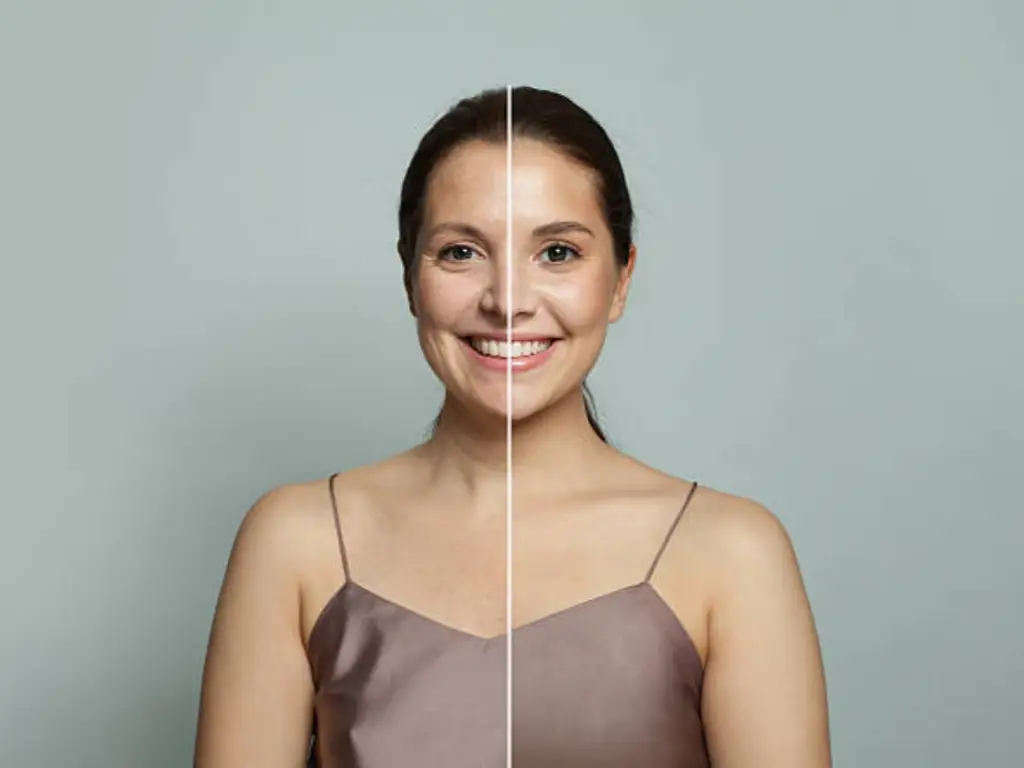
Acne scars remain the most common reason patients seek CO2 laser treatment. Not all scar types respond equally. Boxcar scars — shallow, U-shaped depressions with well-defined edges — show the strongest response, with 60% to 80% improvement after 3 to 5 sessions spaced 4 to 8 weeks apart. Rolling scars, which are broader and shallower, improve 50% to 65%. Icepick scars — narrow, deep, V-shaped punctures — are the most stubborn, typically improving only 30% to 50% because laser microbeams cannot fully penetrate to their base.
A 2025 systematic review of seven clinical studies found that 65% of patients achieved more than 50% improvement in acne scar appearance at the 6-month follow-up, and 84.4% reported moderate-to-good satisfaction. The ECCA score — a standardized acne scar severity scale — drops by an average of 46% after a full treatment series. Energy density matters: shallow boxcar scars respond well to 30 to 50 millijoules per pixel, while deep rolling and icepick scars require 50 to 100 millijoules (PMC Systematic Review, 2025).
Wrinkles, Fine Lines, and Skin Texture: Reversing the Signs of Aging
For periorbital fine lines — the crinkling around the eyes — and perioral wrinkles around the mouth, CO2 laser produces the most dramatic improvement of any non-surgical modality. These areas respond because the skin is thin, the wrinkles are superficial, and the underlying muscle movement that creates them does not fight against the surface-level smoothing. Typical improvement: 60% to 75% reduction in fine-line visibility.
For deeper expression lines — nasolabial folds, forehead furrows — expectations should be more modest: 40% to 60% improvement. These wrinkles have a muscular component that surface resurfacing cannot fully address. On the Fitzpatrick Wrinkling and Elastosis Scale, a single full-face treatment raises the average patient 1.5 to 2 levels — meaning someone with moderate photoaging moves to mild, and someone with severe moves to moderate.
Treatment at 20 to 30 millijoules with high-density coverage works best for fine lines, while deeper wrinkles need 40 to 60 millijoules. Fitzpatrick skin types I through III are ideal candidates. Types IV through VI require 4 to 6 weeks of pre-treatment with hydroquinone 4% plus tretinoin to suppress melanocyte activity before the laser touches the skin — skipping this step can trigger stubborn post-inflammatory hyperpigmentation.
Post-inflammatory hyperpigmentation risk climbs from 1–3% (Fitzpatrick I–II) to 5–9% (III–IV) to 12–20% (V–VI). A 4–6 week pre-treatment protocol with hydroquinone 4% + tretinoin reduces this risk by more than half.
Sun Damage, Pigmentation, and Uneven Skin Tone
Solar lentigines — the flat brown spots from decades of sun exposure — respond dramatically to CO2 laser, with 70% to 90% clearance after a single session. These lesions sit in the epidermis, exactly within the laser’s ablation zone, making them an ideal target.
Melasma is a different story. CO2 laser is not a first-line treatment for melasma and can paradoxically worsen it. The thermal injury that clears sun spots can trigger a reactive hyperpigmentation cascade in melasma-prone skin. Lower-energy, non-ablative modalities like 1927-nanometer thulium laser are safer for this indication.
Post-inflammatory hyperpigmentation (PIH) is the most important risk to discuss. In Fitzpatrick types I and II, PIH occurs in 1% to 3% of cases. In types III and IV — common among patients of Asian, Hispanic, and Middle Eastern descent — the rate climbs to 5% to 9%. In types V and VI, it can reach 12% to 20%. A 4-to-6-week pre-treatment course of hydroquinone 4% combined with tretinoin reduces PIH risk by more than half. This protocol should be non-negotiable for any patient above Fitzpatrick type III.
| Condition | Expected Improvement | Sessions Needed | Key Risk |
|---|---|---|---|
| Atrophic acne scars (boxcar) | 60–80% | 3–5 | PIH in darker skin types |
| Atrophic acne scars (icepick) | 30–50% | 4–6 | Incomplete response, combine with TCA CROSS |
| Fine lines & wrinkles | 60–75% | 1–3 | Prolonged erythema |
| Deep expression lines | 40–60% | 1–3 | Undercorrection — muscular component remains |
| Sun damage & solar lentigines | 70–90% | 1–2 | Low, if Fitzpatrick I–III |
| Melasma | Not recommended | N/A | High risk of paradoxical worsening |
The consistency of these outcomes depends heavily on device quality. Clinics using equipment with stable energy output and certified safety systems — backed by ISO 13485 quality management and CE/FDA-cleared components — deliver measurably more predictable before-and-after results. When device power fluctuates by 10% to 15% between pulses, as can happen with lower-grade hardware, the improvements table above becomes unreliable for any individual patient.
You’ve seen what CO2 laser can achieve across acne scars, wrinkles, and sun damage.
The device you choose determines whether your patients get those results.
What Device Specifications Determine CO2 Laser Treatment Outcomes
If you run an aesthetic clinic, your CO2 laser device is the single largest determinant of whether your patients’ before-and-after photos look like the galleries you see online — or something less impressive. Three specifications separate equipment that produces consistent, publishable results from equipment that produces unpredictable ones.
Laser Tube Type: RF Metal Tube vs. Glass Tube — Why It Matters for Result Consistency
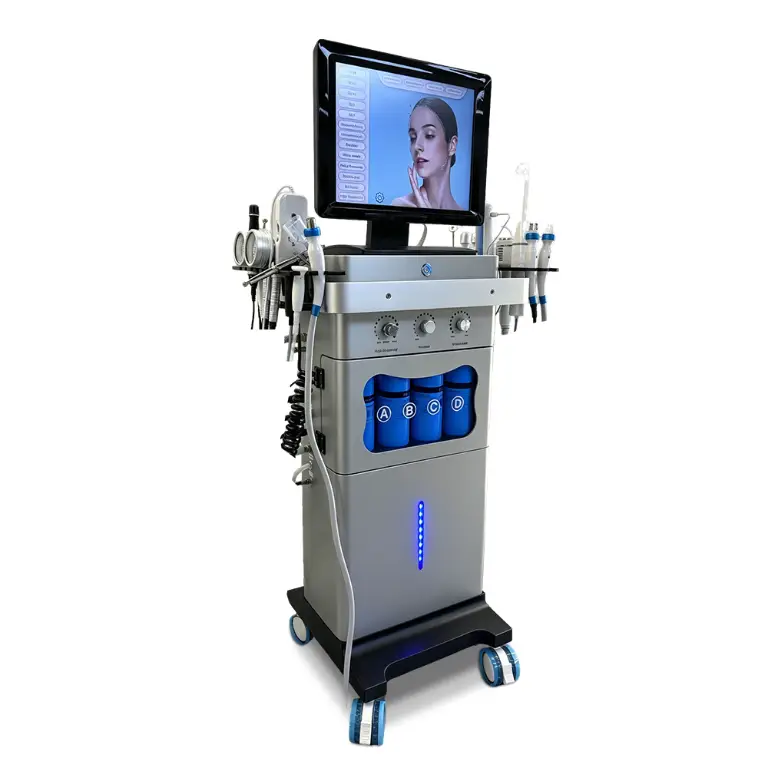
The laser tube is the engine. When clinic owners comparison-shop CO2 machines, the price difference between a $3,000 device and a $15,000 device is largely explained by this single component.
| Dimension | RF Metal Tube | Glass (DC) Tube |
|---|---|---|
| Lifespan | 20,000–45,000 hours (3–6+ years clinical) | 1,500–8,000 hours (6 months–2 years) |
| Energy stability | ±2% across treatment session | ±10–15% (drifts with temperature) |
| Spot size precision | 0.07 mm | ~0.25 mm |
| Cooling | Air-cooled (continuous operation) | Water-cooled (requires chiller) |
| Renewal | Rechargeable/renewable | Must be fully replaced |
| Warranty | Typically 2 years | Typically 6 months |
| Failure mode | Gradual power decline | Catastrophic (glass cracking, gas leak) |
The clinical impact of those numbers is real: a glass tube’s 10% to 15% power drift means the same treatment settings produce different energy output for patient A at 9 AM versus patient B at 4 PM. Over months, the drift widens — and so does the gap between your clinic’s before-and-after photos and the results you expected when you bought the device (Micoaes, 2025).
A glass tube’s 10–15% power drift between morning and afternoon patients means Treatment A and Treatment B receive different energy — even with identical settings. Over months, the drift compounds. RF metal tubes keep output within ±2%, session after session. For a clinic charging $500–$1,500 per treatment, that consistency is the difference between a publishable before-and-after gallery and one you can’t show prospective patients.
Power Output and Penetration Depth: Matching Device Capability to Treatment Goals
A 30-watt CO2 machine and a 100-watt machine are not the same tool with different speed settings. They treat different conditions.
At 10 to 20 watts, penetration reaches roughly 400 to 800 micrometers — the epidermis and superficial dermis. This is sufficient for fine lines, mild pigmentation, and light skin rejuvenation. At 30 to 50 watts, penetration extends to 800 to 1,500 micrometers, reaching the mid-dermis where moderate acne scars and deeper wrinkles live — this is the sweet spot for most aesthetic clinics. At 60 to 100 watts, the beam reaches 2,000 to 3,000 micrometers, enabling surgical applications like mole and wart removal, deep scar revision, and vaginal tightening procedures.
The 10,600-nanometer wavelength has a tissue ablation threshold of roughly 5 joules per square centimeter. Above that threshold, every additional joule per square centimeter deepens ablation by approximately 40 to 60 micrometers. A clinic offering only superficial rejuvenation can do everything it needs with 30 watts. A clinic that wants to treat deep acne scars and offer surgical dermatology services needs 60 watts or more. Understanding this match between power and indication prevents the most common device purchasing mistake: buying insufficient power for the procedures your patients actually need.
Scanning Technology: Spot Density, Pattern Options, and Treatment Efficiency
The scanning system controls how the laser beam moves across the skin — and it determines three things patients care deeply about: how fast the treatment goes, how uniform the results look, and how much it hurts.
Three scanning modes define the clinical experience. Sequential mode fires microbeams in orderly rows — fast but creates more thermal accumulation, meaning more discomfort. Random mode scatters the beams in a pseudo-random pattern — slower but reduces heat buildup. Interlaced mode fires every other spot, then returns to fill the gaps — this spacing triples the thermal relaxation time between adjacent pulses, reducing pain by roughly 30% to 40% compared to sequential scanning at the same energy settings.
Spot shape matters for different facial zones: square and hexagonal patterns cover flat areas like cheeks efficiently, round spots suit curved surfaces like the jawline, and line patterns are ideal for treating individual scars or perioral wrinkles. Spot density — the percentage of skin covered by MTZs per pass — ranges from 5% to 10% for sensitive first treatments, 15% to 25% for standard resurfacing, and 30% to 40% for aggressive deep treatments that come with longer downtime.
The articulated arm that delivers the beam deserves attention too. A 7-joint arm — Korean or German imports are the industry precision benchmark — provides the maneuverability needed to treat contoured facial areas evenly. Lower-joint-count arms create coverage gaps that show up in after photos as untreated patches.
| Specification | Entry-Level | Mid-Range | Clinical-Grade |
|---|---|---|---|
| Laser tube type | Glass DC tube (500–2,000 hr lifespan) | RF metal tube (20,000+ hr) | RF metal tube, rechargeable |
| Power output | 10–30W | 30–60W | 60–100W |
| Penetration depth | 400–800 μm | 800–1,500 μm | 2,000–3,000 μm |
| Scanning modes | Sequential only | Sequential + Random | Sequential + Random + Interlaced |
| Articulated arm | 3–5 joint | 5–7 joint | 7-joint (Korean/German import) |
| Spot size | ~0.25 mm | 0.1–0.2 mm | ≤0.07 mm |
| Certifications | CE | CE + FDA | ISO 13485 + CE + FDA + RoHS |
| Typical price (USD) | $2,500–$4,500 | $5,000–$12,000 | $12,000–$30,000+ |
When evaluating device suppliers, prioritize manufacturers whose quality management system aligns with the precision these specifications demand. Facilities operating under ISO 13485 medical device certification — and holding CE, FDA, RoHS, and FCC clearance as a full compliance stack — provide the documentation trail that confirms a device’s stated specifications match its actual performance. For clinics seeking configuration flexibility, manufacturers offering full OEM customization — from housing design and UI language to system programming, packaging, and certification documentation — can tailor a device to your brand and patient demographic rather than forcing your practice to adapt to a generic machine. Learn more about certified manufacturing standards here and custom device configuration options here.
CO2 Laser Treatment Cost, Candidacy, and Planning Your Investment
Now that you understand the technology, the recovery process, and what separates good equipment from average, two questions remain: what does this cost, and who should — and should not — get it.
| Region | Partial Face (per session) | Full Face (per session) | Typical Package (3 sessions) |
|---|---|---|---|
| United States | $750–$1,500 | $1,500–$4,000 | $3,500–$9,000 |
| Western Europe | €500–€1,200 | €1,000–€2,500 | €2,500–€6,000 |
| Middle East | $400–$900 | $800–$1,800 | $2,000–$4,500 |
| Southeast Asia | $200–$500 | $300–$800 | $700–$2,000 |
For the clinic owner evaluating device purchase, the ROI calculation is straightforward: a mid-range RF tube CO2 laser at $8,000 to $15,000, charging $500 to $1,500 per session, pays for itself in 10 to 30 treatments. At 2 to 3 patients per week — conservative for an established clinic — that is 5 to 15 weeks.
Candidacy is equally important. Ideal candidates are Fitzpatrick skin types I through III with realistic expectations — understanding that one session produces meaningful improvement, not perfection, and that collagen remodeling takes months to fully reveal itself. Fitzpatrick types IV through VI require the pre-treatment protocol discussed earlier and should only be treated by providers experienced with darker skin tones. Absolute contraindications include active acne, pregnancy or breastfeeding, autoimmune diseases such as lupus or scleroderma, oral isotretinoin use within the past 6 months, and a history of keloid scarring.
Find the Right CO2 Laser for Your Clinic
OEM/ODM configurations tailored to your treatment menu, patient demographic, and budget — backed by ISO 13485-certified manufacturing.
Request a Free Device ConsultationCE · FDA · RoHS · FCC · MSDS certified | 1-year warranty | 60+ countries served
For clinics evaluating CO2 laser device options, Konmison offers full-stack OEM/ODM manufacturing with ISO 13485-certified quality systems, CE/FDA-cleared components, and customizable configurations — from UI language and housing design to certification documentation — designed to match your specific patient demographic and treatment menu. Request a free device consultation and quote.
References
- American Board of Cosmetic Surgery. “CO2 Laser Treatments: What to Expect.” 2025. https://www.americanboardcosmeticsurgery.org/blog/CO2-laser-treatments-what-to-expect/
- Patil & Gokhale et al. “The Use of a Fractional Laser in Acne Scar Treatment — A Systematic Review.” PMC / MDPI Life, 2025. https://pmc.ncbi.nlm.nih.gov/articles/PMC12194615/
- Konmison. “Quality Assurance.” https://www.konmison.com/quality/
- Konmison. “OEM/ODM Custom Beauty Machine Manufacturing.” https://www.konmison.com/oem-odm/
- Konmison. “Contact — Get a Free Quote.” https://www.konmison.com/contact/
- Konmison — Custom Beauty Machine Manufacturers. https://www.konmison.com/


 EN
EN  RU
RU  ES
ES  IT
IT  AR
AR  FR
FR  DE
DE  JA
JA  KO
KO  NL
NL