
Search for CO2 laser facial prices and you’ll see numbers from $800 to over $7,000 — with no obvious reason for the spread. The short answer: it depends on the laser type, who’s operating it, where you are, and what the quote includes. The longer answer — the one that stops you from getting a billing surprise — is what follows.
What Is a CO2 Laser Facial?
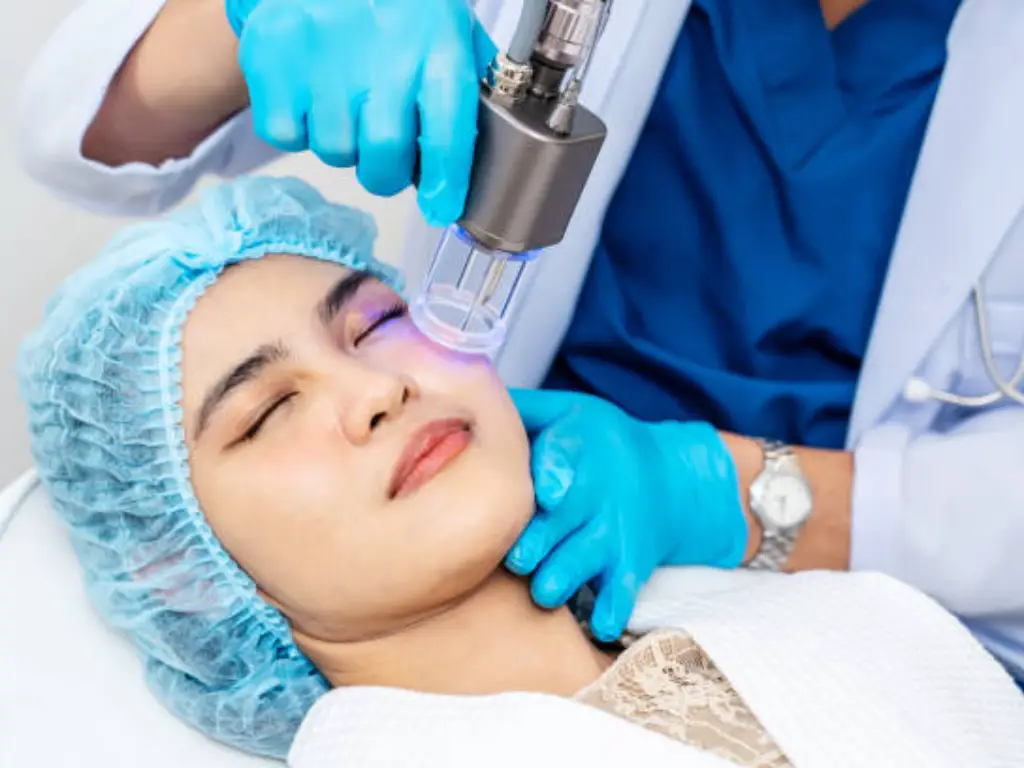
A CO2 laser facial uses a carbon dioxide laser (wavelength: 10,600 nm) to remove damaged outer layers of skin and stimulate collagen production deep within the dermis. Think of it as controlled resurfacing: the laser creates microscopic columns of heat that trigger your skin’s repair mechanism, replacing old tissue with fresh, tighter, smoother skin.
There are two main approaches, and the one your clinic recommends will be the single biggest factor in your final bill:
Fractional CO2 laser treats 20–40% of the skin surface per session, leaving healthy skin bridges between treated zones for faster healing. It’s the more common choice today. Recovery takes about 7–14 days, and most patients need 1–3 sessions for optimal results.
Fully ablative CO2 laser treats 100% of the skin surface in one go. Results are dramatic — 70–90% improvement in a single session — but recovery stretches to 14–21 days and the complication risk is higher. It’s typically reserved for severe sun damage, deep wrinkles, or significant acne scarring.
Both approaches address the same concerns: wrinkles, acne scars, sun damage, uneven texture, and skin laxity. Which one fits you comes down to how aggressive you’re willing to go and what your downtime tolerance looks like.
CO2 Laser Facial Cost: 2025–2026 Price Ranges by Treatment Type and Area
Before you anchor on any single number: your price is the product of three intersecting variables — treatment type × treatment area × location. Find the row closest to your situation below.
Fractional vs. Fully Ablative: The Price Gap Explained
Same laser technology, two completely different price brackets.
| Dimension | Fractional CO2 | Fully Ablative CO2 |
|---|---|---|
| Full-face single session | $2,500–$4,500 | $4,000–$7,000+ |
| Skin surface treated | 20–40% | 100% |
| Downtime | 7–14 days | 14–21 days |
| Typical sessions needed | 1–3 | 1 |
| Improvement per session | 50–70% | 70–90% |
| Complication risk | Lower | Higher |
The American Society of Plastic Surgeons puts the average surgeon fee for ablative laser resurfacing at roughly $2,169 — but that covers only the provider’s time, not the facility, anesthesia, prescriptions, or aftercare (ASPS, 2025). The all-in cost is what the table above reflects, and that’s what you should budget for.
Run the total-treatment math: three fractional sessions at $3,500 each = $10,500. One fully ablative session at $5,500 = $5,500. The per-session number alone misses most of the story.
Cost by Treatment Area: Face, Neck, and Spot Treatments
You don’t always need a full-face treatment, and your bill reflects that. A targeted zone brings the price down substantially:
| Treatment Area | Typical Price Range | Average |
|---|---|---|
| Full face | $2,500–$5,000 | $3,500 |
| Periorbital (around eyes) | $1,200–$2,500 | $1,700 |
| Perioral (around mouth) | $1,500–$2,500 | $1,800 |
| Neck | $1,500–$3,000 | $2,200 |
| Chest / décolletage | $1,500–$3,500 | $2,500 |
| Hands | $1,000–$2,000 | $1,500 |
| Cheeks (acne scars only) | $2,000–$4,000 | $3,000 |
If budget is the constraint, start with the one area that bothers you most. Many patients find a single-zone treatment delivers enough improvement that the full-face upgrade no longer feels necessary.
CO2 Laser Cost Around the World
The same procedure costs dramatically different amounts depending on which country you’re in — a reality that’s fueled a quiet but growing medical tourism trend:
| Country | Full-Face CO2 (Local Price) | Approx. USD Equivalent |
|---|---|---|
| USA | $3,500 | $3,500 |
| UK (London) | £4,250 | ~$5,400 |
| Canada (Toronto) | CAD $2,500 | ~$1,850 |
| Netherlands | €750 | ~$820 |
| China | ¥10,000 | ~$1,400 |
The US-to-Europe price gap is striking — but cheaper doesn’t mean better. International treatments leave you with no legal recourse if something goes wrong, and follow-up care back home becomes your problem. If you’re considering traveling for treatment, verify the clinic’s certifications and the specific device they use before you book.
Package Pricing and Financing: How to Lower Your Per-Session Cost
Three practical ways to bring the number down without cutting corners on safety:
- Buy a package. Clinics commonly offer 15–25% off when you commit to 2–3 sessions upfront instead of paying per visit.
- Use medical financing. Platforms like CareCredit offer 12–24 month 0% APR plans for treatments over $2,500, turning a lump-sum expense into a monthly line item.
- Ask about seasonal timing. January–February and August are typically slow months for aesthetic clinics. Some offer unadvertised discounts during these windows.
The numbers above cover the most common scenarios, but your exact price will land somewhere on a spectrum defined by three intersecting variables. Understanding how they combine is the difference between a realistic budget and an unpleasant surprise at the consultation desk.
Here’s a quick-reference synthesis of what we’ve covered — the three dials that ultimately set your number.
What Really Drives CO2 Laser Pricing: From Geography to Equipment
Same city, same procedure, two clinics three miles apart — one quotes $2,800, the other $5,200. This isn’t arbitrary. Four specific variables drive the spread, and understanding them separates reasonable premiums from low-cost red flags.
Provider Expertise and Geographic Location
Location is the most visible cost driver: coastal metro practices (New York, Los Angeles, San Francisco) charge 20–40% more than those in the Midwest or South, partly from higher overhead and partly because demand supports it.
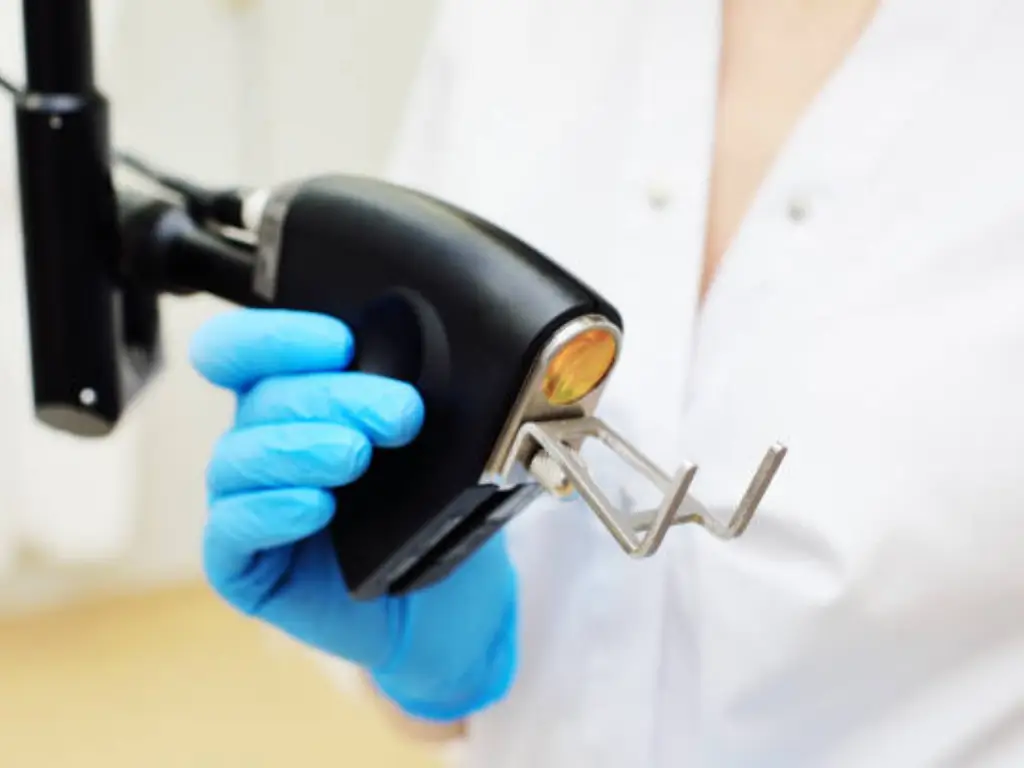
But the bigger variable is who’s holding the handpiece. Board-certified dermatologists and plastic surgeons typically charge 30–50% more than medical spa practitioners. With CO2 laser specifically, that premium buys genuine safety margin. CO2 is the highest-risk laser in aesthetic medicine. In inexperienced hands, the complication rate for burns, post-inflammatory hyperpigmentation, and scarring runs 3–5 times higher than with an experienced operator.
This isn’t a procedure where you bargain-hunt the provider.
Treatment Area Size and Depth Setting
On a technical level, your bill reflects three parameters: treatment surface area (how many square centimeters), energy density or fluence (how deep each pulse goes — typically 30–70 mJ per microbeam for fractional, 80–150 mJ for ablative), and pass count (how many times the laser scans each zone). Higher energy, more passes, and larger surface area all add time, consumable wear on the handpiece, and clinical oversight. The final number captures all three.
The Hidden Role of Laser Equipment Quality
Most patients never learn this: roughly 30–50% of what you pay per session goes toward amortizing the clinic’s equipment investment. The CO2 laser device itself costs anywhere from $4,500 to over $175,000 — and that spread directly shapes your treatment price.
At the entry level, glass-tube CO2 systems ship from manufacturers with basic certification. They work, but tube lifespans top out at 1,500–2,000 hours before replacement. At the high end, flagship platforms from Lumenis or DEKA use RF-excited metal tubes rated for 15,000–20,000+ hours, with advanced scanning patterns, multi-mode operation, and deep clinical validation. The mid-range has quietly shifted: direct-source manufacturers now offer FDA 510(k)-cleared, ISO 13485-certified fractional CO2 systems with RF metal tubes in the $5,000–$7,000 range — same regulatory standing as premium brands, without the brand markup.
What does this mean for you as a patient? A clinic running a well-built, properly certified device from a manufacturer with international compliance credentials — CE, FDA, ISO 13485, RoHS — is operating on a foundation of predictable, consistent energy delivery. Ask your provider what device they use and what certifications its manufacturer holds. It’s a question most patients never think to ask, and it tells you more about treatment safety than the price tag alone.
Glass tube, basic cert.
RF metal tube, CE/FDA
Lumenis / DEKA tier
Number of Sessions: Why Per-Session Cost Can Be Misleading
A fractional CO2 session at $2,800 sounds cheaper than a fully ablative session at $5,200 — until you realize the fractional path might need three sessions while ablative needs one:
| Treatment Path | Per-Session Cost | Sessions Needed | Total Investment |
|---|---|---|---|
| Fractional CO2, full face | $2,500–$4,500 | 1–3 | $2,500–$13,500 |
| Fully ablative CO2, full face | $4,000–$7,000+ | 1 | $4,000–$7,000+ |
| Spot treatment (fractional) | $1,000–$2,500 | 1–3 | $1,000–$7,500 |
When comparing quotes, ask for the total treatment plan cost — not just the per-session price.
The Hidden Costs of CO2 Laser: Downtime, Aftercare, and Session Math
The number on the quote covers about 60–70% of what you’ll actually spend. The rest sits in three categories most patients don’t budget for until they’re already recovering.
The Downtime Cost: What Recovery Really Costs You
“Downtime of 7–14 days” sounds abstract until you translate it into lost income. Based on US Bureau of Labor Statistics median weekly earnings (Q4 2025: ~$1,165 for full-time workers), here’s what recovery costs in real dollars:
| Occupation Type | Time Off Work (Fractional) | Estimated Lost Income |
|---|---|---|
| Office / professional | 5–7 days | $1,200–$1,650 |
| Service / retail | 7–10 days | $800–$1,650 |
| Self-employed / freelance | Variable | Income disruption + client rescheduling |
Double those numbers for a fully ablative treatment. If you’re a real estate agent, consultant, or anyone whose face is part of the job, factor in an extra week of “socially acceptable” appearance time beyond the medical clearance to return.
Aftercare Costs: What You’ll Spend After Leaving the Clinic
Post-treatment recovery isn’t just time — it’s supplies. Your clinic hands you a list of products, and none of them are free:
| Item | Typical Cost | Necessity |
|---|---|---|
| Prescription antibiotic/antiviral ointment | $30–$80 | Usually required |
| Medical-grade healing ointment (Aquaphor/Cicaplast) | $15–$25/tube | Required — you’ll use 1–2 tubes the first week |
| Gentle, fragrance-free cleanser | $20–$40 | Required |
| SPF 50+ mineral sunscreen (3-month supply) | $30–$60/month | Non-negotiable — chemical sunscreens sting new skin |
| Optional: concealer for the “social recovery” phase | $30–$80 | Nice to have |
Budget $100–$300 for the initial recovery kit, plus $30–$60/month for sunscreen for at least three months. New skin burns instantly and unevenly — skipping sunscreen after CO2 laser isn’t just cosmetic. It’s a pigmentation disaster waiting to happen.
Multi-Session Math: The Real Total Investment
Put it all together:
Your true CO2 laser cost = (Treatment fee × sessions) + (Your daily wage × downtime days) + $150–$300 aftercare
Three real-world scenarios:
- Scenario A — NYC professional, fractional full face × 2: $7,000 (treatment) + $2,800 (2 weeks lost wages) + $200 (supplies) = ~$10,000 total
- Scenario B — Midwest teacher, single fully ablative: $5,000 + $2,330 (2.5 weeks) + $200 = ~$7,530 total
- Scenario C — Remote freelancer, fractional eye area × 1: $1,700 + $0 (work from home) + $150 = ~$1,850 total
The $8,150 gap between Scenario A and C explains why “how much does CO2 laser cost” has no single answer. Your number depends on your job, your location, and the specific treatment you need.
Fractional ×2
Single Ablative
Eye Area ×1
CO2 Laser vs. Alternatives: Is It Worth the Investment?
You know the prices. You’ve accounted for the hidden costs. The last question: is CO2 laser the right choice compared to everything else on the market?
| Dimension | Fractional CO2 | RF Microneedling | Chemical Peel (Medium) | Traditional Microneedling | IPL Photofacial |
|---|---|---|---|---|---|
| Single session | $2,500–$4,500 | $800–$1,500 | $300–$800 | $300–$700 | $400–$800 |
| Sessions needed | 1–3 | 3–4 | 3–6 | 3–6 | 3–5 |
| Total course cost | $2,500–$13,500 | $2,400–$6,000 | $900–$4,800 | $900–$4,200 | $1,200–$4,000 |
| Recovery | 7–14 days | 1–3 days | 5–10 days | 1–2 days | Near zero |
| Deep wrinkle/scar results | ★★★★★ | ★★★☆☆ | ★★☆☆☆ | ★★☆☆☆ | ★☆☆☆☆ |
| Best for | Significant aging, deep scarring | Mild-to-moderate aging, texture | Uneven tone, superficial pigment | Mild texture | Superficial redness, light spots |
If deep wrinkles or acne scars are your main concern, CO2 laser is the only modality on this list that delivers genuinely dramatic improvement. RF microneedling and chemical peels are excellent for maintenance and mild-to-moderate concerns, but they don’t reach the depth CO2 can.
If your budget is tight and your concerns are mild, start with RF microneedling or a medium-depth chemical peel. You’ll spend less and recover faster. If results fall short, CO2 is still there as the escalation path.
The combination strategy — one CO2 session to address the core problem, followed by annual RF microneedling or light peels for maintenance — is often the most cost-effective long-term approach. A $3,500 CO2 treatment lasting 3–5 years works out to roughly $700–$1,200 per year. By comparison, two RF microneedling sessions per year at $1,200 each cost $2,400 annually. Over five years, CO2 plus maintenance comes out ahead in both cost and results.
When you go in for your consultation, ask three things: what device they use, who manufactured it, and what certifications the manufacturer holds. A clinic that answers those questions clearly takes equipment quality seriously — and equipment quality is, ultimately, treatment quality.
References
- American Society of Plastic Surgeons. “Laser Skin Resurfacing Cost.” 2025. https://www.plasticsurgery.org/cosmetic-procedures/laser-skin-resurfacing/cost
- U.S. Bureau of Labor Statistics. “Usual Weekly Earnings of Wage and Salary Workers.” Q4 2025. https://www.bls.gov/news.release/wkyeng.htm
- Konmison. “Quality Assurance.” https://www.konmison.com/quality/
- Konmison. Homepage. https://www.konmison.com/
- Konmison. Contact. https://www.konmison.com/contact/


 EN
EN  RU
RU  ES
ES  IT
IT  AR
AR  FR
FR  DE
DE  JA
JA  KO
KO  NL
NL