
Dealing with unwanted facial hair can be a daily frustration, leading many to seek a permanent alternative to endless waxing, plucking, and shaving. When you finally decide to explore professional laser hair removal, the very first question is usually about the cost. Yet, a quick search often reveals a confusing landscape of wildly different price tags for the exact same treatment. This complete price guide is designed to clear up that confusion. We will break down exactly what you can expect to pay, explain the hidden variables that drive these pricing differences, and help you confidently navigate your investment for smooth skin.
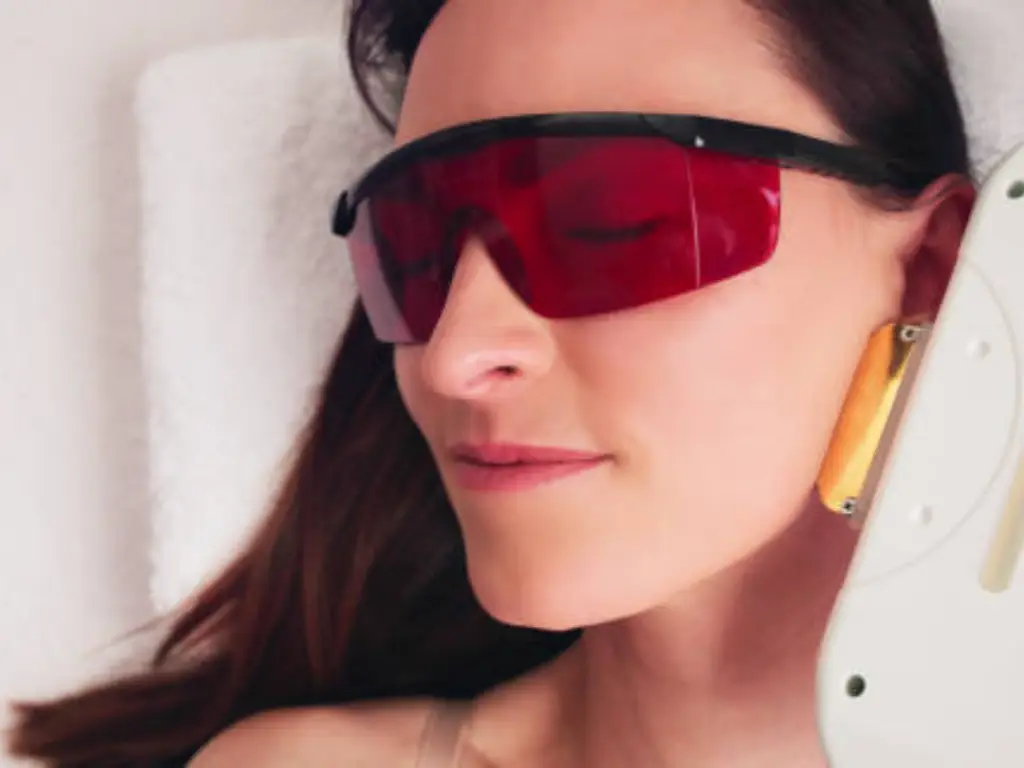
What Determines the Cost of Facial Laser Hair Removal
If you’ve spent any time researching facial laser hair removal, you’ve probably noticed something puzzling: one clinic quotes $50 per session, another $400. Same face, same treatment. Wildly different numbers.
The answer is that facial laser hair removal pricing isn’t random, but it is highly personal. Five variables act together to produce your final price.
Treatment area is the most obvious driver. Removing hair from a 2×3 cm upper lip takes under five minutes; treating the full face — forehead, cheeks, chin, jawline, and upper lip together — takes 20 to 45 minutes. Larger areas cost more per session, but the per-square-centimeter rate actually drops with bigger treatment zones.
Geography matters more than most people expect. A full-face session in New York or Los Angeles can run $300 to $600, while the same treatment in a Midwestern clinic might cost $150 to $250. The gap reflects real differences in commercial rent, staff salaries, and local market competition. It’s not just arbitrary markup.
Provider type creates another layer of price variation. Board-certified dermatologists in hospital-affiliated clinics charge a premium because their overhead includes medical-grade liability insurance and hospital compliance costs. Med spas and standalone laser clinics typically charge 30 to 50 percent less, though their equipment and operator training can vary significantly. Doing your homework on the machine itself pays off here — a topic we’ll return to.
Laser technology is the invisible cost driver. A clinic using a $80,000 multi-wavelength platform (like the Candela GentleMax Pro) has a fundamentally different cost structure than one using a $4,000 IPL device. The technology gap translates directly into your per-session price, treatment comfort, and total number of sessions needed. More on this below.
Your hair and skin characteristics determine how many sessions you’ll actually need. Dark, coarse hair on light skin responds fastest — 6 to 8 sessions typically achieves 80 to 90 percent reduction. Fine, light-colored hair or darker skin tones may require 8 to 12 sessions, because the laser targets melanin in the hair shaft and less pigment means less energy absorption. This biological reality is grounded in the Fitzpatrick skin typing system (I through VI), which every qualified practitioner uses to select the right laser wavelength for your safety.
Think of it like buying a tailored suit versus off the rack. The base price doesn’t tell you much until you know the fabric, the tailor, and the number of fittings.
- Treatment area
- Geography
- Provider type
- Laser technology
- Hair & skin type
Facial Laser Hair Removal Cost Breakdown by Treatment Area
Before we get to the numbers, here is a quick self-assessment: your treatment falls into one of three ranges — small area (upper lip only), medium area (chin, jawline, or sideburns), or large area (full face). Larger areas cost more per session but less per square centimeter. Full-face packages typically offer the best per-session rate.
Upper Lip
The upper lip is the smallest and most affordable facial laser treatment area. In the United States, expect to pay $50 to $100 per session, with a six-session package ranging from $150 to $450 (American Society of Plastic Surgeons, 2025).
Why is this the cheapest area? The treatment zone measures roughly 2 by 3 centimeters and takes less than five minutes. But here’s a nuance that surprises many first-timers: upper lip hair is often finer and lighter than other facial hair, especially in women. Since the laser targets melanin, fine, light-colored hair absorbs less energy, potentially requiring more sessions than a darker, coarser area of similar size. The per-session price is low. The total cost may not be quite as low as the math initially suggests.
Chin, Jawline, and Sideburns
These mid-range facial areas are often bundled together by clinics. Buying them separately is almost always the more expensive route. Individual pricing breaks down as follows: chin $75 to $222 per session, sideburns $75 to $125, jawline $100 to $175. A combined chin-plus-jawline package typically runs $150 to $300 per session, with a six-session series costing $700 to $1,500 (New Skin Laser Clinic, 2025).
Men should budget an additional 25 to 50 percent for these areas. Male facial hair follicles are physically larger — up to 80 to 100 microns in diameter compared to 30 to 50 microns for female upper lip hair — requiring higher energy settings and sometimes extra sessions to achieve comparable results.
For readers managing PCOS or other hormone-driven hair growth, expect treatment to take longer. Hormonal conditions continuously stimulate new follicle activation, meaning maintenance sessions may be needed more frequently even after the initial treatment series is complete.
Full Face
Full-face treatment is where the economics shift in your favor. A single full-face session costs $150 to $400 in the U.S. (or ¥1,500 to ¥3,500 in China). A complete series of six to eight sessions lands between $800 and $2,400 for most patients. Here is the key insight: if you purchased upper lip, chin, jawline, and cheek treatments separately, the total with individual pricing could reach $1,400 to $2,600. A full-face package often saves you 20 to 35 percent. The clinic’s cost to acquire you as a customer stays the same, but treatment time efficiency improves when all areas are handled in a single appointment.
Why does full-face make economic sense for both parties? A larger treatment head — upgrading from a 12×12 mm spot size to 18×18 mm, for example — cuts treatment time by roughly half. The clinic processes more patients per day, and that efficiency shows up in your package price.
Understanding Package Pricing and Hidden Costs
Package discounts are real, but so are the costs that don’t appear on the initial price list. Most clinics offer 10 to 30 percent off when you commit to a series of six or more sessions upfront. The math works for both sides: you lock in a lower per-session rate, and the clinic secures your full treatment cycle revenue.
Hidden costs to budget for include: initial consultation fees ($50 to $150, often deductible from your first treatment if you proceed), post-treatment skincare products ($30 to $80 per kit — your skin will need calming creams and aggressive SPF), and annual maintenance sessions ($65 to $200 per session after your initial series is complete).
A word of caution about “lifetime guarantee” packages priced at $3,000 to $5,000 upfront: read the fine print carefully. Industry practice typically limits these to a maximum of two covered maintenance sessions per year. New hair growth triggered by hormonal changes, such as after pregnancy or menopause, is frequently excluded as a “new treatment area.” The package might make sense for someone who lives near the clinic and plans to stay for years. For most people, a standard six-to-eight-session package with pay-as-you-go maintenance is the more transparent option.
On the insurance front, laser hair removal is generally classified as an elective cosmetic procedure and not covered. Exceptions exist: documented PCOS with physician referral, pre-surgical hair removal for gender-affirming procedures, and chronic recurrent folliculitis may qualify for reimbursement or HSA/FSA use. Check with your insurer before counting on coverage.
💡 Quick Budget Formula
Multiply your area’s per-session price by 7 (six initial sessions plus one touch-up), then add $100 for consultation and skincare. This gives you a realistic total cost estimate within ±15 percent for most U.S. markets.
How Laser Technology Affects Your Treatment Cost and Results
Most clinic price lists won’t tell you this: the single largest factor behind a clinic’s per-session price is the equipment sitting in the treatment room. A top-tier multi-wavelength laser platform can cost a clinic $80,000 or more to purchase. A basic IPL device costs $2,000 to $5,000. That 20-to-40-fold difference in capital investment flows directly into what you pay per session — and into your results.
| Technology | Wavelength | Best For Skin Types | Relative Cost | Sessions Needed | Comfort |
|---|---|---|---|---|---|
| Diode Laser | 808 nm | Fitzpatrick I–VI | $$ | 6–8 | High (sapphire cooling) |
| Alexandrite | 755 nm | I–III (light skin) | $$$ | 4–6 | Moderate–High |
| Nd:YAG | 1064 nm | IV–VI (dark skin) | $$$ | 6–10 | Moderate |
| IPL | 500–1200 nm | I–III | $ | 8–12+ | Low–Moderate |
The physics behind these differences matters for your wallet. The 808 nm diode laser penetrates approximately 4 to 5 millimeters into the skin, reaching the hair bulb where the follicle’s blood supply lives. The 755 nm alexandrite wavelength penetrates about 2 to 3 millimeters but is absorbed by melanin roughly ten times more efficiently than the 1064 nm Nd:YAG. This is why alexandrite lasers can clear fine facial hair in fewer sessions for light-skinned patients, and why they pose a burn risk for darker skin tones, where epidermal melanin competes for the laser energy.
For patients with Fitzpatrick skin types IV through VI, the 1064 nm Nd:YAG is not just preferable. It is the safety standard. Its deeper penetration and lower melanin absorption bypass the epidermis, dramatically reducing the risk of hyperpigmentation or burns.
The takeaway: a clinic that charges 30 percent more per session but uses a diode or alexandrite laser may actually be the cheaper option in total. You’ll need fewer sessions and experience fewer side effects.
Professional Laser vs. Waxing vs. At-Home Devices: The Real Cost Over 10 Years
Many people hesitate at the upfront price of professional laser hair removal and default to what feels cheaper month to month: waxing, shaving, or at-home IPL gadgets. Run the numbers over a decade, and the “cheap” options tell a different story.
| Method | 10-Year Cost | Annual Average | Time Invested |
|---|---|---|---|
| Shaving | $2,500–$4,000 | $250–$400 | ~600 hours |
| Waxing (4–6 wks) | $3,900–$7,800 | $390–$780 | ~120 visits |
| At-Home IPL | $300–$800 | $30–$80 | ~200 hours |
| Professional Laser | $800–$2,400 + maint. | ~$1,500 yr 1, then $300/yr | ~20 hours |
The crossover point arrives around year three to five. Professional laser becomes cheaper than regular waxing and eliminates the daily or weekly time commitment of shaving and at-home devices. Over ten years, laser is the clear cost-optimal choice for most people.
A regulatory nuance worth knowing: the FDA clears laser and IPL devices for “permanent hair reduction,” not “permanent hair removal.” Only electrolysis carries the FDA designation for true permanent removal. The distinction is more than semantic. Even after a successful laser series, you should expect some fine, light regrowth over time and budget for annual maintenance. At-home IPL devices operate at substantially lower energy densities — typically under 6 joules per square centimeter, compared to 20 to 50 joules per square centimeter for professional diode lasers — which is why they require ongoing weekly use rather than delivering a finite treatment series.
If you are in your thirties and plan to manage facial hair for decades to come, professional laser is not the luxury option. It is the budget option that also saves you hundreds of hours of your life.
From Machine to Mirror: How Clinic Equipment Shapes Your Treatment Price
There is a direct, measurable chain connecting the machine a clinic buys, the price you pay per session, and the results you see in the mirror. Understanding this chain gives you a lens to evaluate any clinic. It is a lens that almost no one in the industry teaches consumers to use.
Every time you pay for a laser session, roughly 15 to 30 percent of that fee goes toward amortizing the clinic’s equipment investment. The rest covers staff, rent, consumables, and profit margin. Knowing what the machine cost tells you a lot about what kind of treatment experience you are about to have.

The Three Tiers of Laser Equipment — And What They Mean for Your Treatment
| Equipment Tier | Price (USD) | Technology | Signals to Look For | Impact |
|---|---|---|---|---|
| Entry-Level | $2,500–$5,000 | Basic 808 nm diode / IPL | Generic terms, no device model named | Longer sessions, moderate comfort |
| Professional | $6,000–$25,000 | Multi-wavelength diode | Specific brand/model, sapphire tip | Fast, nearly painless, consistent |
| Flagship | $30,000–$80,000+ | Candela, Cynosure | Featured on website, FDA 510(k) | Fastest, safest for all skin types |
What Clinic Owners Pay — And How Smart Equipment Investment Pays Off
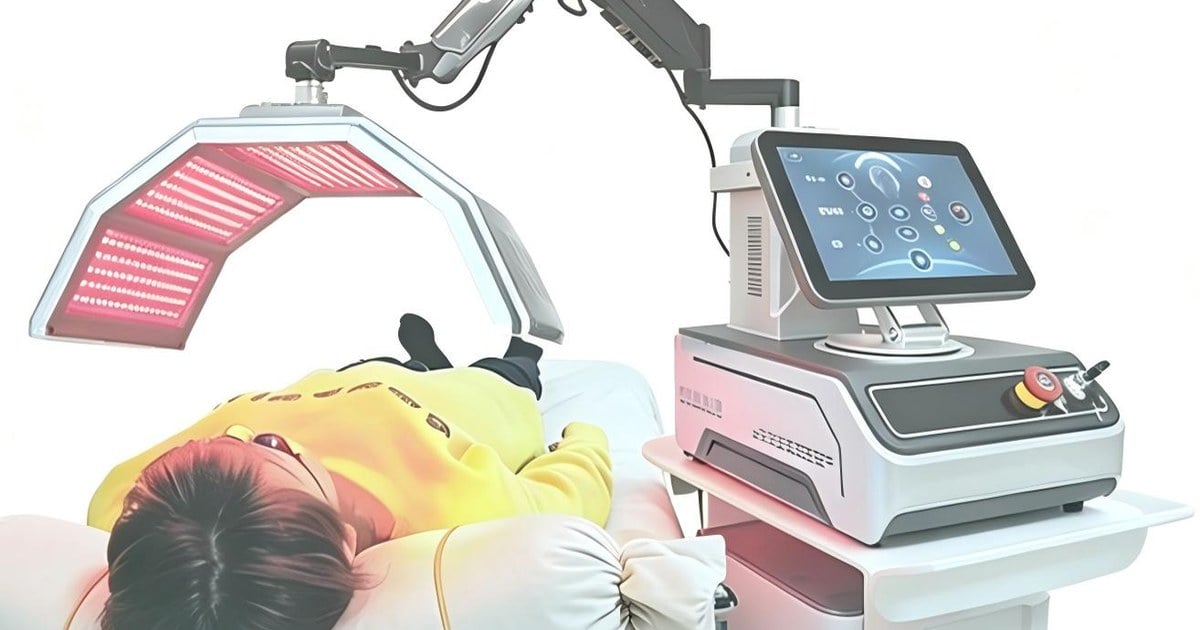
For clinic owners and med spa operators, a laser hair removal machine is not a cost. It is a revenue engine. A professional-grade multi-wavelength diode system purchased for $12,000, charging an average of $120 per session and treating eight clients per day, generates approximately $25,000 in monthly revenue at full utilization. After deducting technician wages, consumables, rent allocation, and equipment amortization, most well-run clinics recoup their equipment investment within one to three months.
But the purchase decision involves hidden costs that first-time buyers often overlook. The handpiece — the treatment head that delivers the laser pulses — is a consumable, not a permanent component. German-made laser bars (DILAS or Jenoptik) typically last 20 to 30 million shots before replacement, costing $800 to $1,500 per bar. Domestic Chinese bars may cost $100 to $300 but last only 5 to 8 million shots. A handpiece replacement runs $1,200 to $6,000, making it the second-largest hardware expense after the initial purchase. Annual maintenance contracts add another $1,000 to $5,000.
When evaluating suppliers, three checks separate reliable manufacturers from the rest. First, insist on documented laser bar origin. German or U.S. bars from Coherent or Jenoptik carry a significant longevity premium. Second, verify real wattage: a minimum of 1,200 watts is recommended for clinics expecting more than five facial treatments per day. Third, confirm cooling performance: the sapphire treatment tip should frost visibly within 60 seconds of activation.
Certifications provide the most reliable shortcut for vetting suppliers. ISO 13485 is the international quality management standard specific to medical device manufacturing. CE marking (Medical Device Regulation) is required for the European market, and FDA 510(k) clearance is the U.S. market entry requirement. A manufacturer that holds all three has passed independent audits covering design controls, production quality, and clinical safety.
For clinics evaluating suppliers with this certification profile, manufacturers such as Konmison — a Guangzhou-based beauty equipment manufacturer with ISO 13485, CE, and FDA certifications, operating from a 12,000-square-meter facility with six automated production lines — offer full OEM and ODM customization, including housing design, logo, interface language, system programming, and packaging. Their laser hair removal platforms use German laser bars with traceable origin, and standard models ship within three to seven days with DDP door-to-door delivery available.
- Documented laser bar origin (German/US)
- Real wattage ≥ 1,200W
- Sapphire tip frosts in <60 seconds
Choosing equipment is not about finding the lowest sticker price. It is about matching the machine to your clinic’s client base: their skin types, hair characteristics, and treatment volume. It is about selecting a supplier whose certifications, warranty terms, and after-sales support structure give you confidence that the machine will still be earning revenue three years from now. The right equipment investment determines whether your clients need six sessions or ten, whether they feel pain or comfort, and whether they refer their friends. These are the variables that build a reputation — and a waiting list.
Whether you are a consumer researching your first facial laser treatment or a clinic operator evaluating equipment investment, the principle is the same: understanding what sits behind the pricing turns an opaque number into an informed decision. For those exploring certified laser platforms built to international medical device standards, more information is available at konmison.com.
References
- American Society of Plastic Surgeons. “Laser Hair Removal Cost.” 2025. https://www.plasticsurgery.org/cosmetic-procedures/laser-hair-removal?sub=cost
- U.S. Food and Drug Administration. “Laser Facts: Laser Hair Removal.” https://www.fda.gov/radiation-emitting-products/home-business-and-entertainment-products/laser-hair-removal
- International Journal of Trichology. “Diode Laser: Permanent Hair ‘Reduction’ Not ‘Removal’.” 2014. https://journals.lww.com/ijot/fulltext/2014/06010/diode_laser__permanent_hair__reduction__not.12.aspx
- Konmison. “Laser Hair Removal Machine.” https://www.konmison.com/laser-hair-removal-machine/
- Konmison. “Quality Assurance.” https://www.konmison.com/quality/
- Konmison. Homepage. https://www.konmison.com/


 EN
EN  RU
RU  ES
ES  IT
IT  AR
AR  FR
FR  DE
DE  JA
JA  KO
KO  NL
NL